
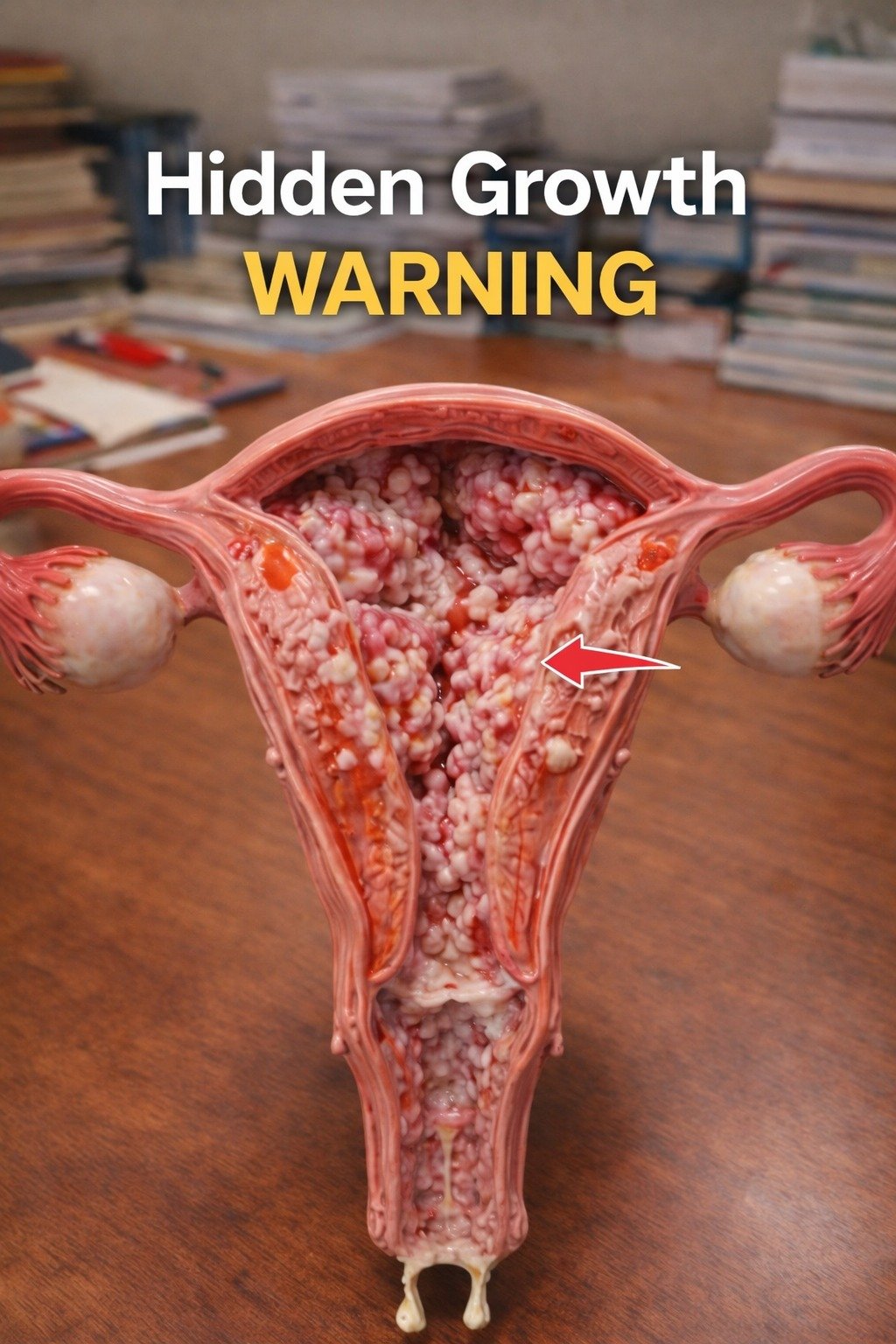
Why Your Yeast Infection Keeps Coming Back? 8 Hidden Daily Triggers
You thought it was over. The itching stopped, the discomfort faded, and you finally felt normal again… until a few weeks later, it quietly returned. That cycle can feel frustrating, even embarrassing, especially when you’re doing everything you believe is “right.” The truth is, some everyday habits you barely notice might be feeding the problem and one of them may surprise you near the end.
1. Wearing Tight, Non-Breathable Clothing
Let’s start with something simple, yet often overlooked.
Tight pants, synthetic underwear, and leggings can trap moisture and heat. That warm, damp environment is exactly what yeast thrives in.
But here’s the catch…
Even if your clothes look clean, the material itself can create the perfect setting for imbalance.
What to do instead
Choose breathable fabrics like cotton
Avoid staying in sweaty clothes for too long
Change underwear daily or more often if needed
Studies on skin microbiome show that moisture retention significantly affects fungal growth, especially in sensitive areas.
2. Overusing Scented Products “Down There”
It feels like you’re doing something good… keeping things “fresh.”
But ironically, scented soaps, sprays, and washes can disrupt your natural balance.
The vaginal environment is self-cleaning and carefully regulated. Adding fragrances can throw off its natural acidity.
And once that balance shifts, yeast can grow more easily.
Watch out for
Scented wipes
Bubble baths
Strong body washes
The truth is, simpler is often safer.
3. High Sugar Intake Feeding the Cycle
This is where things get interesting.
Yeast feeds on sugar. So when your diet is consistently high in refined carbohydrates and sweets, it may indirectly support overgrowth.
That doesn’t mean you can never enjoy a dessert…
But frequent spikes in blood sugar can create an internal environment that yeast prefers.
Common culprits
Sugary drinks
White bread and pastries
Processed snacks
Some research suggests a connection between blood sugar levels and recurrent yeast issues, especially in older adults.
4. Taking Antibiotics Too Often
Antibiotics can be life-saving. But they don’t just target harmful bacteria.
They also reduce beneficial bacteria that help keep yeast in check.
Here’s the problem…
Without enough “good bacteria,” yeast can multiply more freely.
What you can do
Only use antibiotics when necessary
Discuss alternatives with your doctor
Consider probiotic-rich foods like yogurt
Balance is everything.
5. Not Changing Out of Wet Clothes Quickly
This is the one that surprises most people.
You go swimming or finish a workout… and stay in those damp clothes for a while.
It seems harmless.
But that prolonged moisture creates a perfect breeding ground for yeast.
Simple fix
Change immediately after swimming or exercising
Dry the area thoroughly
Keep spare clothes handy
It’s a small habit that can make a big difference.
6. Hormonal Changes You Didn’t Notice
As we age, hormone levels naturally shift.
Lower estrogen levels, especially after menopause, can affect the protective environment of the vaginal area.
This can make some individuals more prone to recurring issues.
But that’s not all…
Hormonal fluctuations can also happen due to stress, sleep changes, or medications.
Helpful habits
Maintain a consistent sleep routine
Stay physically active
Talk to a healthcare provider about changes
7. Wearing Panty Liners Every Day
Panty liners can feel convenient.
But wearing them every day can reduce airflow and trap moisture.
And once again, moisture is the key factor.
Better approach
Use only when necessary
Choose breathable, unscented options
Take breaks to allow airflow
Sometimes less really is more.
8. Stress and Poor Sleep Patterns
This is the hidden factor many people underestimate.
Chronic stress and lack of sleep can weaken your immune system.
And when your body’s defenses are low, yeast can take advantage.
Signs to watch
Frequent fatigue
Difficulty sleeping
Feeling overwhelmed
Research shows that immune health plays a key role in maintaining microbial balance.
Quick Comparison Table: Hidden Triggers vs Better Habits
| Hidden Habit | Why It Matters | Better Choice |
|---|---|---|
| Tight clothing | Traps moisture | Loose, breathable fabrics |
| Scented products | Disrupts balance | Gentle, unscented care |
| High sugar diet | Feeds yeast | Balanced meals |
| Frequent antibiotics | Reduces good bacteria | Use only when needed |
| Wet clothes | Creates damp environment | Change quickly |
| Hormonal shifts | Affects natural defenses | Monitor and adapt |
| Daily liners | Limits airflow | Use occasionally |
| Stress & poor sleep | Weakens immunity | Rest and manage stress |
Actionable Steps You Can Start Today
Here’s a simple plan you can follow starting now
- Switch to cotton underwear and avoid tight clothing
- Replace scented products with gentle, unscented options
- Reduce sugar intake gradually
- Change out of wet clothes immediately
- Prioritize sleep and manage stress
But here’s the key takeaway…
Consistency matters more than perfection.
Conclusion
Recurring yeast issues are often not about one big mistake, but many small daily habits adding up over time. By making a few mindful adjustments, you can support your body’s natural balance and reduce the chances of that frustrating cycle repeating.
And remember, the “hidden trigger” is often something simple you do every day without realizing it.
Frequently Asked Questions (FAQ)
Why does it keep coming back even after it goes away
Because the underlying triggers may still be present in daily habits, allowing imbalance to return.
Is diet really that important
Yes, especially when it comes to sugar intake, which may influence yeast growth indirectly.
Should I stop using all hygiene products
Not necessarily. Just choose gentle, unscented options and avoid overuse.
Disclaimer
This article is for informational purposes only and does not replace professional medical advice. If symptoms persist or worsen, please consult a qualified healthcare provider.