
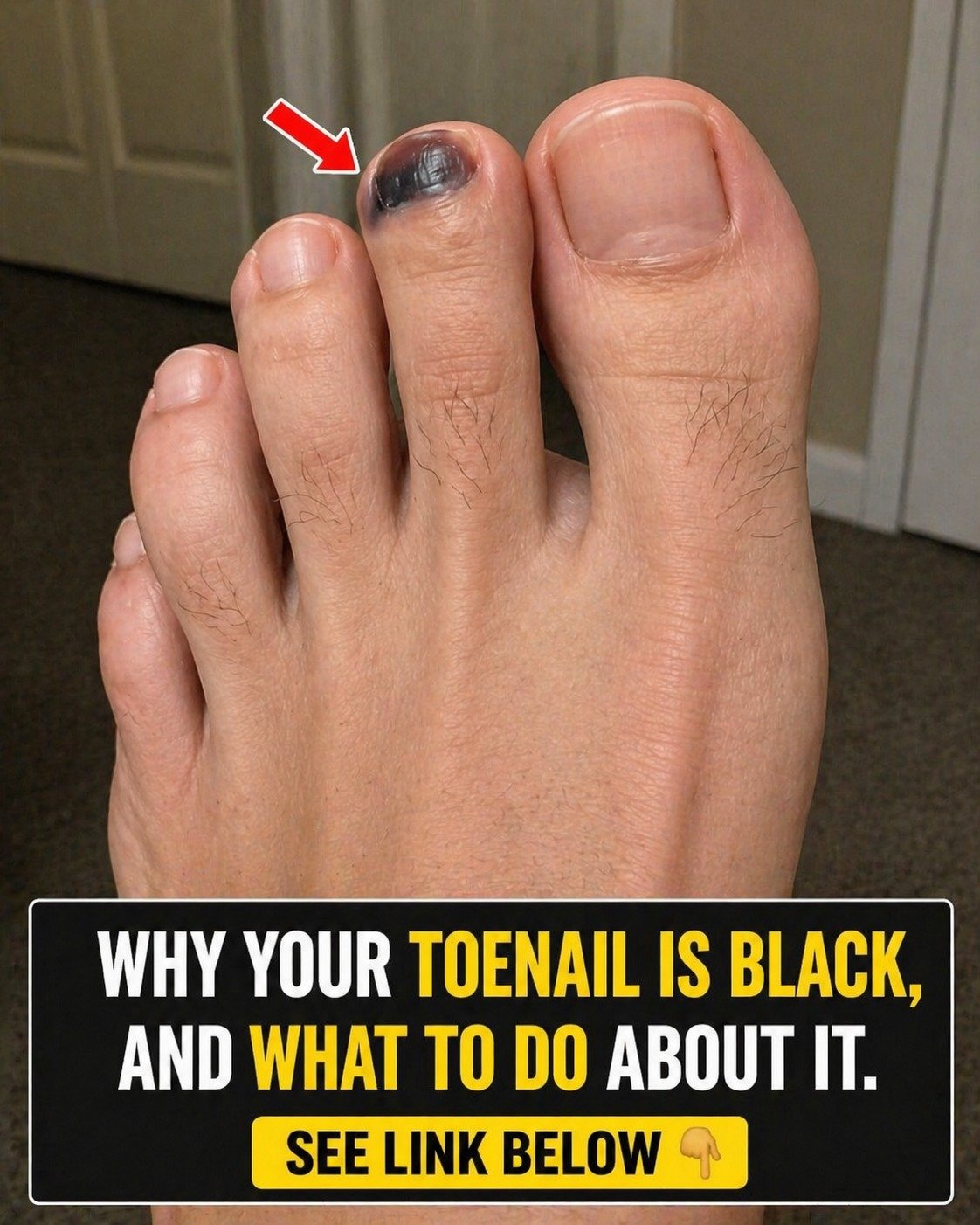
Why Your Toenail Is Black, And What To Do About It
Finding a black spot on your toenail can stop you in your tracks and leave you feeling worried about what it means for your overall health. That dark discoloration not only looks unsightly but can also bring discomfort when pressure is applied, making simple activities like walking or wearing your favorite shoes feel irritating. The frustration builds when it lingers, affecting your confidence at the beach or during summer sandals season. The good news is that most cases have straightforward explanations tied to daily life, and understanding them opens the door to simple changes that support healthier feet. But here is the part most people miss: one small habit shift at the end of this article could make a surprising difference in keeping your toenails looking their best.
Understanding the Most Common Causes of Black Toenails
Black toenails are far more common than you might think, and they usually point to something happening right under the surface of the nail. But that does not mean you should panic. In fact, the majority of cases come from everyday situations rather than anything more serious. Here is what typically happens and why it matters for your foot health.
Trauma: The Leading Reason Behind That Dark Spot
The single most frequent culprit is a minor injury you might not even remember. A stubbed toe, dropping something heavy, or even tight shoes pressing during a long run can cause blood to collect under the nail. This creates a dark bruise-like appearance known as a subungual hematoma. It often shows up days later, turning the nail black, purple, or brown as the blood dries. Studies from podiatry experts highlight how active lifestyles and ill-fitting footwear increase this risk, especially for runners and athletes.
Fungal Infections: When Moisture Takes Over
Another everyday trigger involves fungi thriving in warm, damp environments. Think sweaty socks, public showers, or shoes that do not breathe well. Over time, the infection can make the nail thicken, crumble, and shift to a yellowish-brown or black color. The process feels slow at first, but once it starts, it changes the nail’s texture and appearance noticeably.
Nutritional Factors That Affect Nail Color
Your body needs certain nutrients to keep nails strong and healthy. Low levels of vitamin B12 or iron can weaken the nail bed and lead to discoloration over time. This connection shows up in research linking diet to nail changes, reminding us that what we eat really does show up in unexpected places.
Underlying Health Conditions Worth Noting
Sometimes black toenails signal broader issues like poor circulation from diabetes, heart concerns, or kidney changes. These conditions can alter blood flow and nutrient delivery to the nails. While not the first thing to assume, they remind us why paying attention to sudden nail shifts makes sense.
The Rare but Important Case of a Dark Line
In very uncommon situations, a vertical black streak that grows or widens without any injury history can point to something that needs professional review. Podiatrists emphasize checking any unexplained dark line that spreads, just to stay safe.
But that is not the full picture. Many people notice multiple factors working together, which is why looking at your daily routine often reveals the real story.
Simple Home Care Steps You Can Start Today
The best part about dealing with black toenails is that most everyday cases respond well to consistent, gentle care at home. You do not need fancy equipment—just a few smart habits. Here is how to support your feet while the nail grows out naturally.
- Apply a cold compress right away if you suspect recent impact. Wrap ice in a thin cloth and hold it against the toe for 10–15 minutes several times a day to ease swelling and discomfort.
- Keep the area clean and dry. Gently wash your feet daily with mild soap, pat them completely dry, and avoid soaking in water that could soften the nail too much.
- Trim your nails straight across and keep them short. This simple step reduces the chance of further pressure or catching on socks.
- Elevate your feet when resting. Propping them up helps reduce any throbbing and supports better circulation.
These steps work best when you stay consistent. Many people see gradual improvement as the nail grows out over weeks or months.
Everyday Habits That Help Prevent Black Toenails From Returning
Prevention really is the smartest strategy. Once you understand the triggers, small changes become powerful tools. Here are practical habits that make a real difference:
- Choose shoes with plenty of toe room and good cushioning. Avoid narrow styles that squeeze the front of your foot, especially during workouts.
- Rotate your footwear and let shoes air out completely between wears to cut down on moisture buildup.
- Wear moisture-wicking socks and change them if they get damp during the day.
- Maintain good foot hygiene by drying between toes thoroughly after showers and using antifungal powder in humid climates.
- Pay attention to your diet. Including iron-rich foods and B12 sources supports overall nail strength, according to general nutritional guidance.
These habits might seem basic, but they add up fast. The truth is, most foot issues improve when you treat prevention like a daily routine instead of a one-time fix.
When to Check With a Healthcare Professional
While most black toenails clear up with time and care, certain signs mean it is wise to get expert input. If the discoloration appeared without any known injury, spreads into a line, causes pain, or comes with swelling and odor, schedule a visit. A podiatrist or doctor can help rule out anything that needs more attention and give you personalized guidance.
Wrapping It Up: Smarter Foot Care Starts With Awareness
Black toenails often feel alarming at first, but they usually stem from common, manageable factors like a simple bump, damp shoes, or everyday nutrition gaps. By understanding the causes and building better daily habits, you give your feet the support they deserve. Remember, healthy nails reflect consistent care more than anything else. The one surprising habit that changes everything? Switching to breathable, properly fitted shoes and never skipping that final drying step after every shower. It sounds small, yet it keeps moisture and pressure at bay like nothing else.
Frequently Asked Questions
Will a black toenail go away on its own?
In most cases linked to minor injury, yes—the discolored part gradually grows out as the healthy nail replaces it. Patience and gentle care speed the process along.
How long does it typically take for the nail to look normal again?
Toenails grow slowly, usually about one millimeter per month. Full replacement can take six to twelve months depending on the severity and your age.
Can dietary changes really help prevent black toenails?
Supporting overall nutrition with balanced intake of iron, B vitamins, and protein helps strengthen nails from the inside, reducing vulnerability to discoloration over time.
Disclaimer: This article is for informational purposes only and is not a substitute for professional medical advice. Always consult a qualified healthcare provider for any concerns about changes in your nails or feet.