
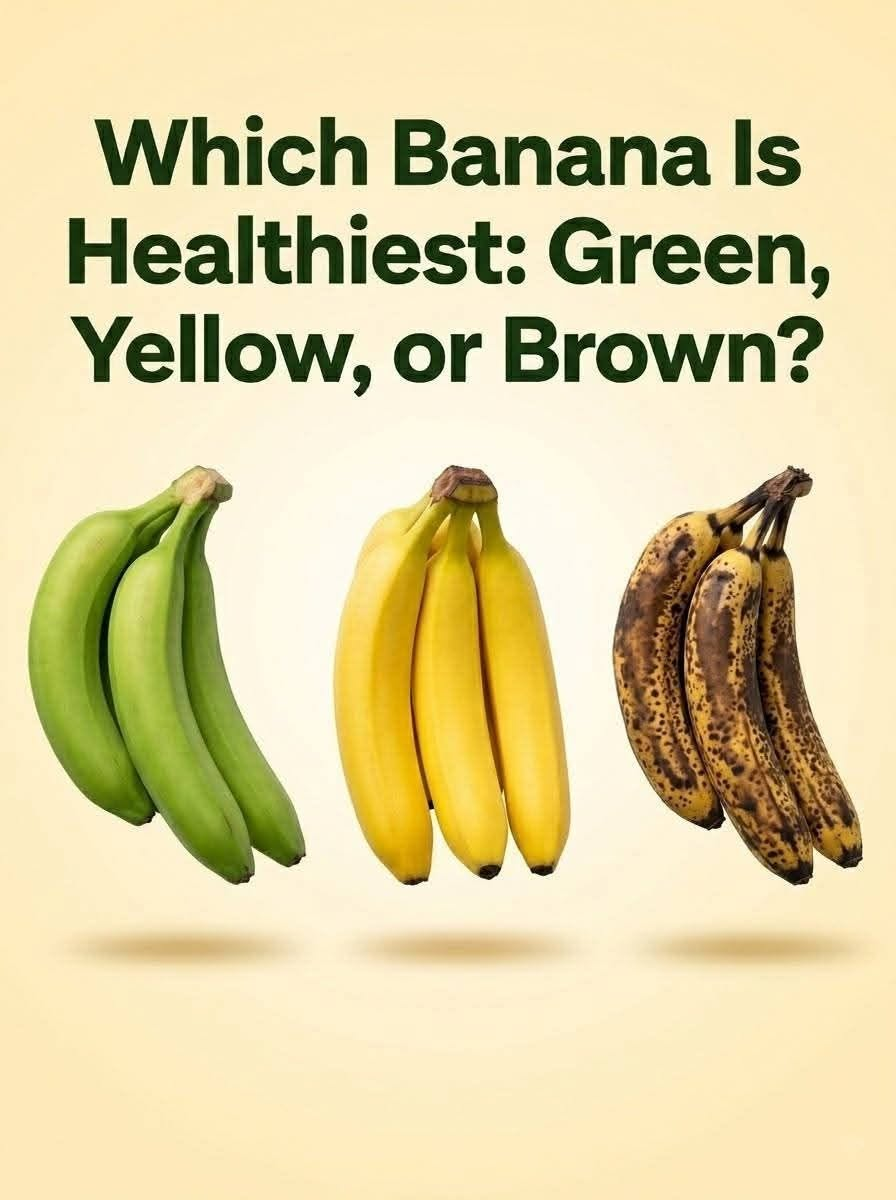
Which Banana Is Actually the Healthiest
Bananas at Every Stage of Ripeness: Which One Is Healthiest?
Bananas are one of the world’s most popular fruits—and for good reason. They’re affordable, portable, naturally sweet, and packed with essential nutrients. Whether blended into a smoothie, sliced over oatmeal, or enjoyed as a quick snack, bananas are a delicious and convenient way to support a healthy diet.
What many people don’t realize is that a banana’s nutritional profile changes as it ripens. From firm green bananas to soft, brown-speckled ones, each stage offers unique health benefits. The best choice depends on your personal health goals, taste preferences, and how you plan to use the fruit.
Let’s take a closer look at what happens during the ripening process and discover which banana is best for you.
The Science of Banana Ripening
As bananas ripen, natural enzymes gradually convert complex starches into simple sugars. This process changes the banana’s:
- Flavor
- Texture
- Sweetness
- Digestibility
- Glycemic impact
Green bananas are rich in resistant starch, while fully ripe bananas contain more natural sugars like glucose, fructose, and sucrose. Despite these changes, bananas remain an excellent source of vitamins, minerals, and fiber throughout every stage of ripeness.
Green Bananas: Best for Blood Sugar and Gut Health
Green bananas are firm, less sweet, and contain high amounts of resistant starch, a type of carbohydrate that behaves like dietary fiber.
Benefits of Green Bananas
- Help keep you feeling full longer
- Support healthy digestion
- Feed beneficial gut bacteria
- May help regulate blood sugar levels
- Lower glycemic index than ripe bananas
Because resistant starch is digested more slowly, green bananas may be a better option for people trying to manage blood sugar or increase their fiber intake.
Best Uses
- Cooked as a savory side dish
- Baked into chips
- Added to stews or curries
- Used in green banana flour
Yellow Bananas: The Perfect Balance
Bright yellow bananas offer a balance between resistant starch and natural sugars. At this stage, they are sweet, creamy, and easy to digest.
Benefits of Yellow Bananas
- Excellent source of potassium
- Rich in vitamin B6
- Good source of vitamin C
- Provide quick, natural energy
- Easy on the digestive system
This is the stage most people enjoy because it combines great taste with excellent nutrition.
Best Uses
- Healthy snacks
- Breakfast
- Smoothies
- Oatmeal
- Yogurt bowls
Spotted Bananas: Naturally Sweeter
As brown spots begin to appear, starches continue converting into natural sugars, making the banana softer and much sweeter.
Benefits
- Easier to digest
- Quick source of energy
- Great for post-workout recovery
- Naturally sweet without added sugar
Some studies suggest that ripe bananas contain higher levels of antioxidants compared to less ripe bananas, although all bananas provide valuable nutrients.
Best Uses
- Smoothies
- Pancakes
- Muffins
- Banana bread
- Frozen desserts
Brown Bananas: Don’t Throw Them Away
Many people discard bananas once they become heavily speckled or brown, but these bananas are incredibly useful in the kitchen.
Benefits
- Extremely sweet
- Soft texture
- Rich in natural sugars
- Excellent for baking
- Easy to mash
Although the sugar content is higher than in green bananas, they still provide:
- Potassium
- Vitamin B6
- Fiber
- Antioxidants
Best Uses
- Banana bread
- Cakes
- Cookies
- Homemade ice cream
- Energy bites
- Smoothies
Nutritional Benefits of Bananas
Regardless of ripeness, bananas provide many important nutrients.
Potassium
Supports:
- Healthy blood pressure
- Muscle contractions
- Nerve function
- Heart health
Vitamin B6
Helps with:
- Brain development
- Red blood cell production
- Protein metabolism
- Immune function
Vitamin C
Provides antioxidant protection while supporting:
- Healthy skin
- Immune health
- Collagen production
Fiber
Supports:
- Healthy digestion
- Regular bowel movements
- Satiety
- Gut health
Which Banana Is Best for Your Goals?
Choose Green Bananas If You Want To:
- Improve gut health
- Increase resistant starch intake
- Stay full longer
- Help manage blood sugar
Choose Yellow Bananas If You Want To:
- Enjoy balanced sweetness
- Fuel daily activities
- Get quick nutrition
- Eat an easy-to-digest snack
Choose Spotted or Brown Bananas If You Want To:
- Bake healthier desserts
- Add natural sweetness to recipes
- Refuel after exercise
- Reduce food waste
Creative Ways to Enjoy Bananas
Bananas are incredibly versatile and can be used in many recipes.
Try them:
- Blended into smoothies
- Sliced over cereal or oatmeal
- Mixed into yogurt
- Spread with peanut butter
- Frozen for healthy desserts
- Mashed into pancake batter
- Baked into muffins or bread
- Added to protein shakes
Storage Tips
- Store green bananas at room temperature until they ripen.
- Separate bananas from the bunch to slow ripening.
- Refrigerate ripe bananas to extend freshness (the peel may darken, but the fruit remains good).
- Peel and freeze overripe bananas for smoothies and baking.
Final Thoughts
There is no single “healthiest” banana—each stage of ripeness offers unique nutritional advantages. Green bananas are rich in resistant starch and ideal for digestive and blood sugar support, yellow bananas provide the perfect balance of flavor and nutrients, while ripe and brown bananas are naturally sweeter, easier to digest, and perfect for baking or quick energy.
Instead of throwing away overripe bananas, consider using them in delicious recipes that reduce food waste and make the most of their natural sweetness. No matter which stage you choose, bananas remain one of nature’s most convenient, nutritious, and satisfying fruits that can easily fit into a healthy lifestyle.