
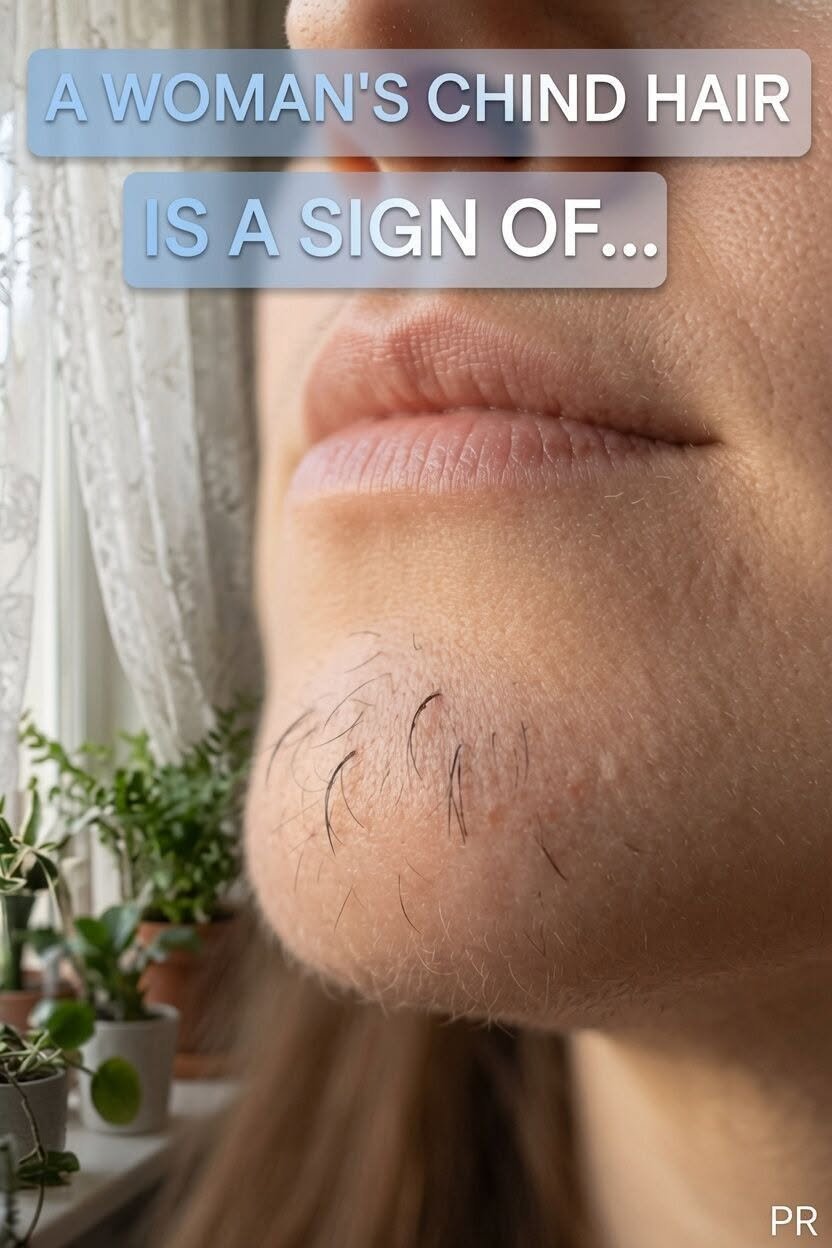
What Chin Hair in Women Really Says About Hormones (And When to Pay Attention)
What Chin Hair in Women Really Says About Hormones (And When to Pay Attention)
Finding a few coarse chin hairs as a woman can feel surprising or even worrying, but in most cases it’s linked to completely normal hormonal changes in the body rather than anything dangerous.
Chin hair growth is mainly influenced by androgens, a group of hormones that includes testosterone. While these are often thought of as “male hormones,” women naturally produce them in smaller amounts. The key issue is not just how much androgen is present, but how sensitive the hair follicles are to these hormones.
When this sensitivity increases—or when hormone levels shift—certain facial hairs can become darker, thicker, and more noticeable, especially on the chin, jawline, and upper lip.
Common Reasons for Chin Hair Growth
One of the most common medical causes is Polycystic Ovary Syndrome (PCOS). This hormonal condition can raise androgen levels and may also affect menstrual cycles, skin clarity, and weight balance. In PCOS, chin hair growth often appears alongside other signs such as acne or irregular periods.
Another very common factor is menopause and perimenopause. As estrogen levels naturally decline with age, the balance between estrogen and androgens shifts. Even if androgen levels don’t increase, their effects become more noticeable, leading to new or thicker facial hair in some women.
There is also a condition called hirsutism, which refers to excessive or unwanted coarse hair growth in areas where men typically grow hair. This can be linked to PCOS, hormonal changes, or sometimes no identifiable medical cause at all.
When It’s Just Genetics
In many cases, chin hair is simply genetic. If close female relatives have similar hair patterns, it may be an inherited trait. This is often called idiopathic hirsutism, where hormone levels appear normal but hair follicles are naturally more responsive.
Can Medications Play a Role?
Yes, certain medications—especially hormone-based treatments or drugs affecting hair growth cycles—can sometimes trigger increased facial hair. If changes begin after starting a new prescription, it may be worth discussing with a healthcare provider.
When Should You Be Concerned?
Occasional chin hairs are usually harmless. However, it’s a good idea to seek medical advice if you notice:
- Sudden or rapid increase in facial hair
- Irregular menstrual cycles
- Severe acne or scalp hair thinning
- Other unexplained hormonal changes
Final Thoughts
Chin hair in women is very common and usually linked to natural hormonal shifts, aging, or genetics. In some cases, it may be associated with conditions like PCOS, but most of the time it is not a sign of anything serious.
Understanding your body’s hormonal patterns can help you respond calmly and choose the right approach—whether that’s simple cosmetic management or medical guidance when needed.