
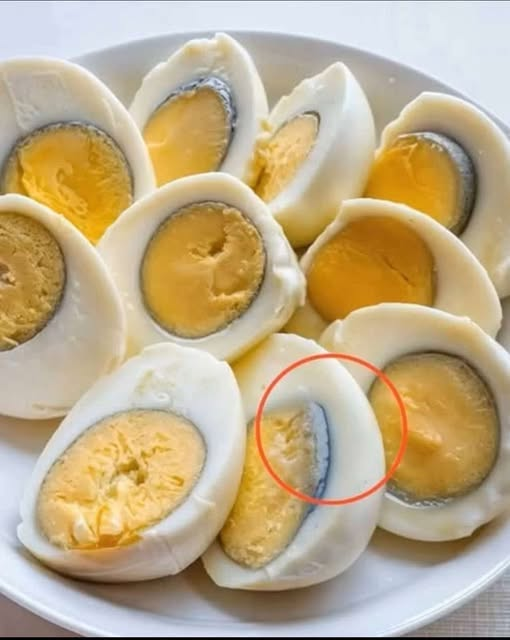
What causes the green ring around hard-boiled eggs?
Why Do Hard-Boiled Eggs Sometimes Have a Green Ring Around the Yolk?
Eggs are one of the most nutritious and versatile foods you can include in your diet. Whether you enjoy them scrambled, poached, fried, or hard-boiled, they provide an excellent source of high-quality protein along with a variety of essential vitamins and minerals. They’re affordable, easy to prepare, and suitable for breakfast, lunch, dinner, or even a healthy snack.
One of the biggest nutritional benefits of eggs is their impressive protein content, which helps support muscle growth, tissue repair, and overall body function. Egg yolks are also rich in choline, an essential nutrient that plays an important role in brain development, memory, and nervous system health. In addition, eggs contain healthy fats, vitamins A, D, E, B12, riboflavin, selenium, and other nutrients that contribute to a balanced diet.
Because they are naturally filling while remaining relatively low in calories, hard-boiled eggs are a popular choice for people looking for a quick, nutritious meal or snack.
Why Does a Green Ring Appear Around the Yolk?
If you’ve ever sliced open a hard-boiled egg and noticed a greenish-gray ring around the yolk, you may have wondered whether it’s still safe to eat. The good news is that the egg is perfectly safe to consume.
The green ring forms because of a natural chemical reaction that occurs during cooking. When eggs are cooked for too long or at excessively high temperatures, sulfur released from the egg white reacts with iron in the yolk. This reaction creates ferrous sulfide, which appears as a green or gray ring around the yolk.
Although the color may not look very appealing, it does not indicate spoilage or reduce the egg’s nutritional value.
How to Make Perfect Hard-Boiled Eggs
If you’d like to avoid the green ring and achieve beautifully cooked eggs every time, follow these simple steps:
- Place the eggs in a saucepan and cover them with cold water, ensuring the water sits about 1–2 inches above the eggs.
- Heat the pan over medium-high heat until the water reaches a full rolling boil.
- As soon as the water begins boiling, remove the pan from the heat and cover it with a lid.
- Allow the eggs to sit in the hot water:
- 9 minutes for a slightly creamy yolk.
- 11–12 minutes for a firm, fully cooked yolk.
- Immediately transfer the eggs to a bowl of ice water and let them cool for about 5 minutes. This stops the cooking process and helps prevent the green ring from forming.
Tips for Easy Peeling
Peeling hard-boiled eggs can sometimes be frustrating, but these simple tricks can help:
- Crack the shell gently and peel the egg under cool running water.
- Cool the eggs completely in ice water before peeling.
- Slightly older eggs are often easier to peel than very fresh ones.
How to Prevent Eggs from Cracking
Eggs occasionally crack while boiling due to rapid temperature changes. To reduce the chances of cracking:
- Start with cold water rather than placing eggs directly into boiling water.
- Add 1 tablespoon of vinegar or a pinch of salt to the water. While this doesn’t always prevent cracks, it can help keep egg whites from leaking out if a shell does crack.
Storage Tips
Proper storage helps keep hard-boiled eggs fresh and safe to eat.
- Unpeeled hard-boiled eggs: Store in the refrigerator for up to 1 week.
- Peeled hard-boiled eggs: Best eaten within 2–3 days and kept refrigerated in an airtight container.
Final Thoughts
Hard-boiled eggs are one of the easiest and healthiest foods you can prepare. They’re packed with protein, vitamins, healthy fats, and important nutrients that support overall health. If you notice a green ring around the yolk, there’s no need to worry—it’s simply the result of overcooking and is completely harmless. By using the proper cooking time and cooling the eggs quickly in ice water, you can enjoy perfectly cooked hard-boiled eggs with bright yellow yolks every time.