
Viral “Liver Cancer Warning” Image: What the Signs Really Mean
Viral “Liver Cancer Warning” Image: What the Signs Really Mean
Introduction
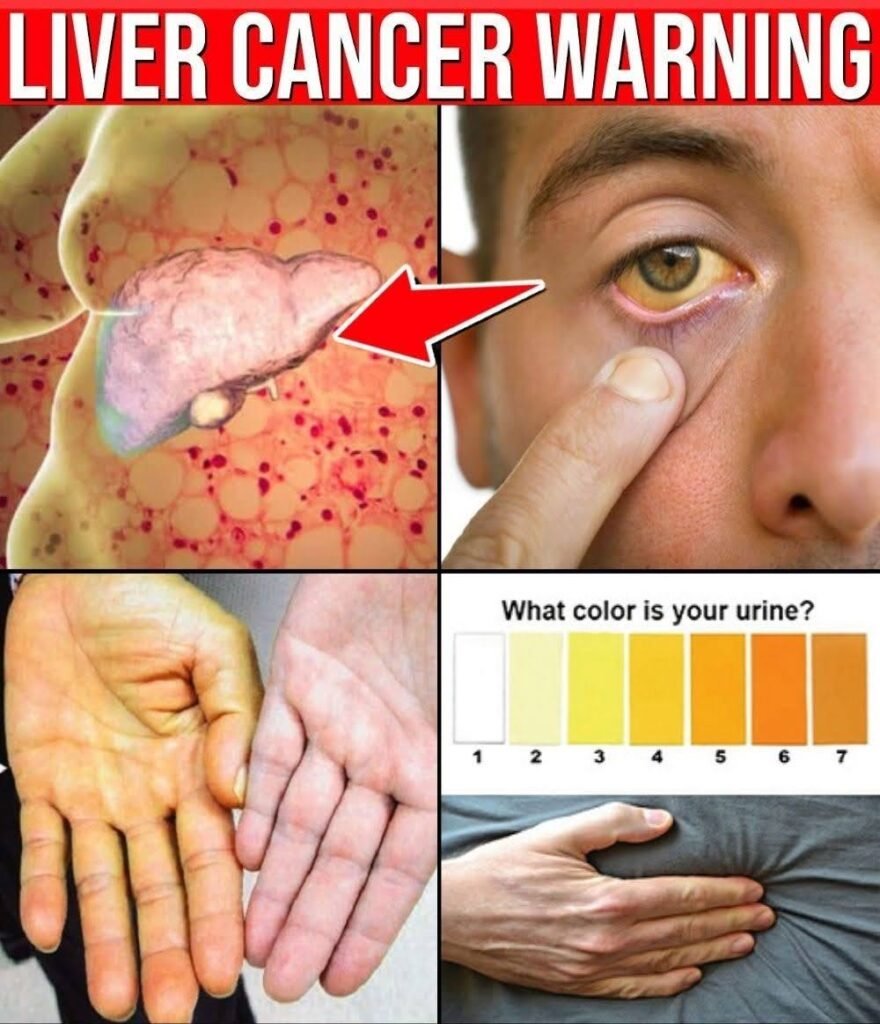
A viral image circulating online shows a liver graphic, yellow eyes, yellow palms, a urine color chart, and someone holding their upper abdomen with the words “LIVER CANCER WARNING” displayed in bold red text. While the image is alarming, it oversimplifies a complex medical topic. The truth is that many liver conditions exist, including fatty liver disease, hepatitis, cirrhosis, and liver cancer. In fact, early liver cancer often causes no noticeable symptoms. Many of the warning signs shown in the image can also result from less serious and treatable conditions. That’s why proper medical evaluation is essential.
What the Picture Is Showing
The viral image highlights several physical signs commonly associated with liver problems, but none of them are specific to liver cancer.
Fatty Liver Graphic: This usually refers to Non-Alcoholic Fatty Liver Disease (NAFLD), one of the most common liver conditions. It is often linked to obesity, diabetes, and poor diet, and can frequently be improved through healthy lifestyle changes.
Yellow Eyes (Jaundice): Yellowing of the whites of the eyes or skin occurs when bilirubin builds up in the body. Jaundice may be caused by hepatitis, gallstones, bile duct blockage, or other liver disorders—not just cancer.
Yellow Palms: Yellow palms can occur because of jaundice or from carotenemia, a harmless condition caused by eating large amounts of foods rich in beta-carotene, such as carrots and sweet potatoes.
Urine Color Chart: Dark urine may result from dehydration or excess bilirubin caused by certain liver or bile duct conditions. Light-colored urine generally reflects adequate hydration and is not necessarily related to liver health.
Upper Right Abdominal Pain: The liver is located beneath the right rib cage, but discomfort in this area can also be caused by gallbladder disease, muscle strain, digestive issues, or other non-liver conditions.
Symptoms That Should Prompt a Medical Evaluation
These symptoms may indicate a liver-related problem and deserve medical attention, but they are not a checklist for liver cancer.
Seek medical advice if you experience:
- Yellowing of the skin or eyes that lasts more than a day or two.
- Persistent, unexplained fatigue.
- Unexplained weight loss or loss of appetite.
- Pain, discomfort, or swelling in the upper right abdomen.
- Dark urine together with pale or clay-colored stools.
- Persistent itchy skin without a visible rash.
- Easy bruising or unusual bleeding.
- Swelling in the legs or abdomen due to fluid buildup.
- Ongoing nausea or vomiting.
Having one or even several of these symptoms does not automatically mean you have liver cancer. Many liver conditions are treatable when diagnosed early.
Risk Factors for Liver Disease
Doctors pay close attention to certain risk factors that increase the likelihood of serious liver disease, including:
- Chronic hepatitis B or hepatitis C infection.
- Cirrhosis caused by alcohol use or fatty liver disease.
- A family history of liver disease.
- Heavy alcohol consumption over many years.
- Obesity and type 2 diabetes, which increase the risk of NAFLD.
How Doctors Check Liver Health
Diagnosing liver disease requires medical testing rather than relying on symptoms alone.
Doctors may recommend:
- Blood tests such as ALT, AST, bilirubin, and AFP levels.
- Imaging tests including ultrasound, CT scans, or MRI.
- Lifestyle changes such as reducing alcohol intake, maintaining a healthy weight, exercising regularly, eating a balanced diet, and receiving hepatitis vaccinations when appropriate.
Conclusion
If you notice persistent yellowing of your eyes or skin, dark urine, unexplained abdominal pain, swelling, or other concerning symptoms, avoid self-diagnosing based on a viral image. Schedule an appointment with a healthcare provider for proper evaluation. Most liver conditions are manageable or treatable, especially when detected early.
Medical Disclaimer: This article is intended for educational purposes only and should not be considered medical advice. It cannot diagnose or rule out liver cancer or any other medical condition. If you have concerning symptoms, consult a licensed physician, hepatologist, or oncologist. Seek emergency medical care immediately if you experience severe abdominal pain, vomiting blood, confusion, or loss of consciousness.