
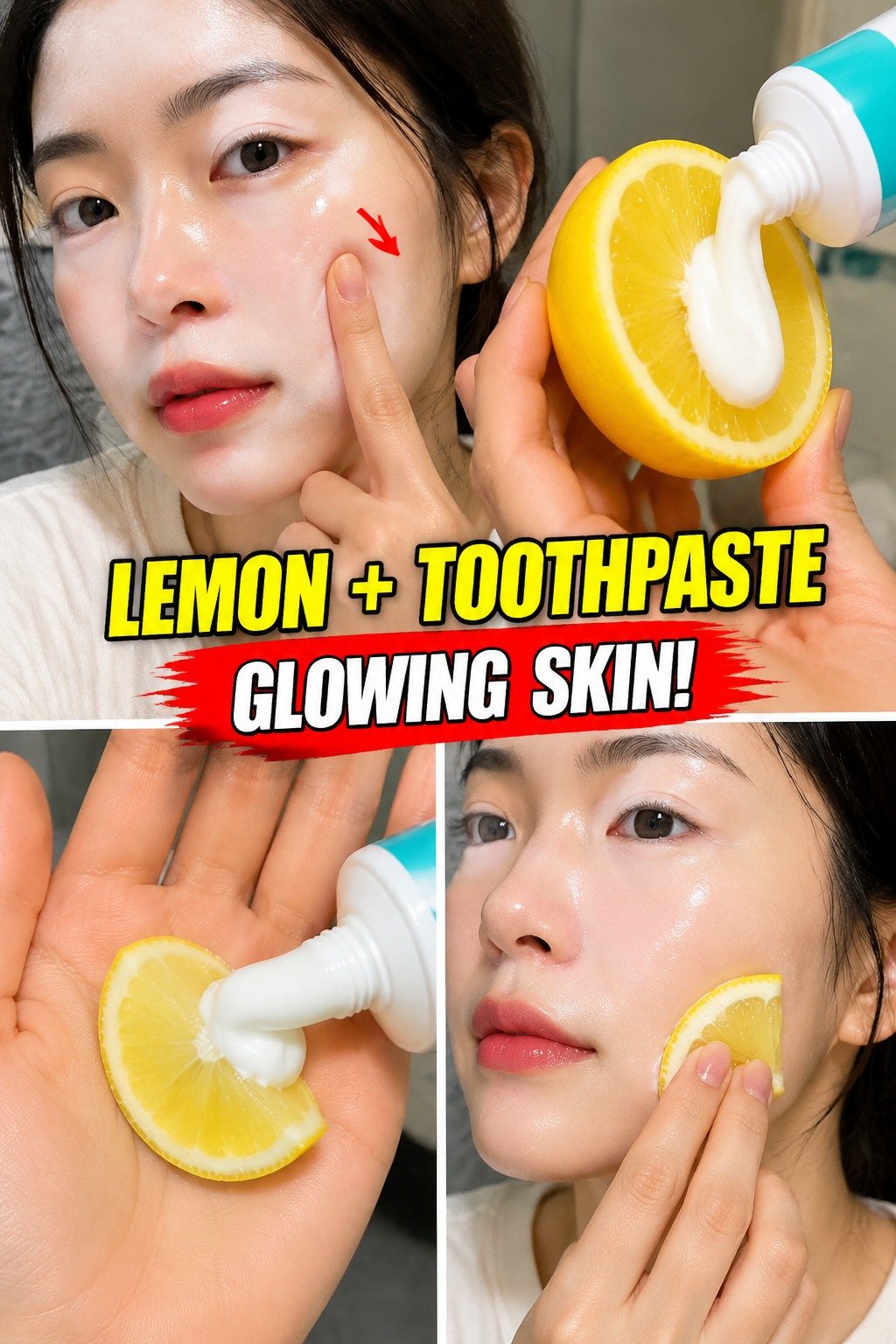
Toothpaste on Your Skin: What Happens Inside a Pimple in 1 Hour
Toothpaste on your skin does one thing fast: it slams the brakes on oil, dries the surface, and tries to shrink the look of a pimple before morning light exposes it. That’s the promise behind the “magical results within 1 hour” claim, and it’s aimed straight at the red, angry, swollen spots that make a face feel like a flashing billboard.
It’s not really a beauty trick. It’s a chemical ambush.
One minute your skin looks normal under the bathroom light, and the next you’re staring at a raised bump on the cheek, chin, or jaw that feels louder than the rest of your face. You touch it once, then again, and now it seems to pulse back at you.
By afternoon, the area feels tight, shiny, and irritated, like your skin has been wrapped in plastic and left too close to a heater. That’s the frustration this hack feeds on: the urgent need to flatten the flare-up before it turns into a full-day confidence leak.
What the beauty machine doesn’t say out loud is that your skin already has its own repair system. It just gets overwhelmed when pores clog, oil hardens, and inflammation stacks up like traffic at a broken intersection.
That’s where the toothpaste stunt enters the scene. It doesn’t nourish the skin; it forces a rapid surface dry-down, and that can make a blemish look less shiny for a moment. The trouble is, dry is not the same thing as healed.
The Surface Shock That Makes It Look Better
The first thing people notice is the shrink-wrap effect. Toothpaste can pull moisture from the top layer, and that makes a pimple look less swollen, less glossy, and a little more hidden under makeup.
Think of a greasy kitchen sponge left on the counter. If you blast it with harsh air, the outside stiffens, but the mess inside is still there. Toothpaste acts more like that blast of air than a real cleanup crew.
The ingredients in many pastes — baking soda, menthol, whitening agents, foaming compounds — can create a harsh, drying hit on the skin. On a tooth, that’s one thing. On facial tissue, it’s a different battlefield entirely.
That’s why the “result” can look impressive in the mirror while the skin underneath is quietly taking a beating.
And here’s the ugly contrast: when skin doesn’t get proper care, the barrier cracks, the redness spreads, and the area can feel hotter, tighter, and more obvious than before. The quick fix becomes a loud announcement.
Why the Pimple Keeps Fighting Back
The real problem is not just the bump you can see. It’s the clogged pore underneath, where oil, dead skin, and bacteria form a thick plug that behaves like a jammed drain in a sink.
When that drain gets blocked, pressure builds. The skin above it stretches, the tissue around it flares, and every glance in the mirror becomes a reminder that the system is stuck.
Toothpaste doesn’t unclog that drain. It doesn’t dissolve the plug, clear the channel, or reset the pore. It just dries the top like paint over rust.
That’s why the “one hour miracle” can feel so seductive. You see a little flattening, and your brain wants to declare victory. But the root problem is still sitting there, waiting to refill the space.
Try this in real life: you wake up, spot a blemish near the nose, and smear on toothpaste before the day starts. By lunch, the shine is reduced, but the skin feels taut and prickly, like it’s been scrubbed with sandpaper. By evening, the area may look angrier than it did before the so-called hack.
The cheap secret nobody wants to admit is that the fastest-looking fix is often the one most likely to irritate the face. The cosmetic industry loves complicated routines, but a bare-bones truth survives every trend: skin hates being bullied.
Why Sensitive Skin Pays the Highest Price
For people with reactive skin, the damage shows up first. The cheeks sting, the edges of the nose burn, and the mouth area can feel raw, as if the surface has been stripped down to the wires.
Think of a fresh coat of paint on a wall. Put a corrosive cleaner on it, and the finish doesn’t “glow” — it peels. Facial skin works the same way when harsh compounds meet a delicate barrier.
The next morning, the face can look dull, patchy, and uneven instead of clear. That’s not a beauty breakthrough. That’s the skin waving a white flag.
For oily skin, the illusion is different. The face may look temporarily matte, almost airbrushed, which is exactly why people think the hack worked. But oil control without barrier repair is like turning off a leaking faucet while the pipe behind the wall keeps cracking.
One part of the face gets drier, another part gets angrier, and the whole area starts acting unpredictable. That’s how a tiny dab turns into a bigger skin problem than the original spot.
The Real Reason This Hack Keeps Circulating
Toothpaste is already in the bathroom, cheap, and easy to reach. That convenience makes it feel clever, like a shortcut that beats buying another product or waiting for a treatment to do its job.
But convenience is not the same thing as compatibility. A formula built to clean enamel is not a formula built to protect facial tissue, balance oil, or calm a breakout without collateral damage.
That’s why the video title promises “magical results.” It sells the fantasy of speed, not the reality of skin biology. And once you know how the surface dry-down works, the trick loses its sparkle fast.
What looks like a miracle is often just a temporary disguise over a problem that still needs the right kind of care.
So yes, the pimple may look smaller. The shine may be reduced. The redness may seem less dramatic for a moment.
But the skin underneath is still trying to recover from a formula it never asked for.
What Actually Breaks the Cycle
Clearer-looking skin comes from removing the clog without shredding the barrier. That means treating the pore like a blocked tunnel, not a stain on a countertop.
Once the face stops getting hit with harsh, drying compounds, the skin can hold moisture, settle down, and stop broadcasting every tiny flare-up like an emergency siren.
Over time, the difference shows up in the mirror before it shows up anywhere else: less shine, less rawness, fewer angry red patches, and a face that doesn’t feel like it has to brace for impact every time you wash it.
That’s the shift people are really chasing. Not a fake one-hour stunt, but skin that stops fighting back.
One common bathroom habit wrecks the whole setup before it even starts: stacking harsh products on top of toothpaste because the spot “still looks there.” That double hit can strip the barrier so hard the redness spreads beyond the original blemish.
The next thing that matters is what you pair with the cleanup — because the wrong follow-up can keep the skin trapped in the same dry, irritated loop.
This article is for informational purposes only and does not replace professional medical advice. Please consult your healthcare provider for personalized guidance.