
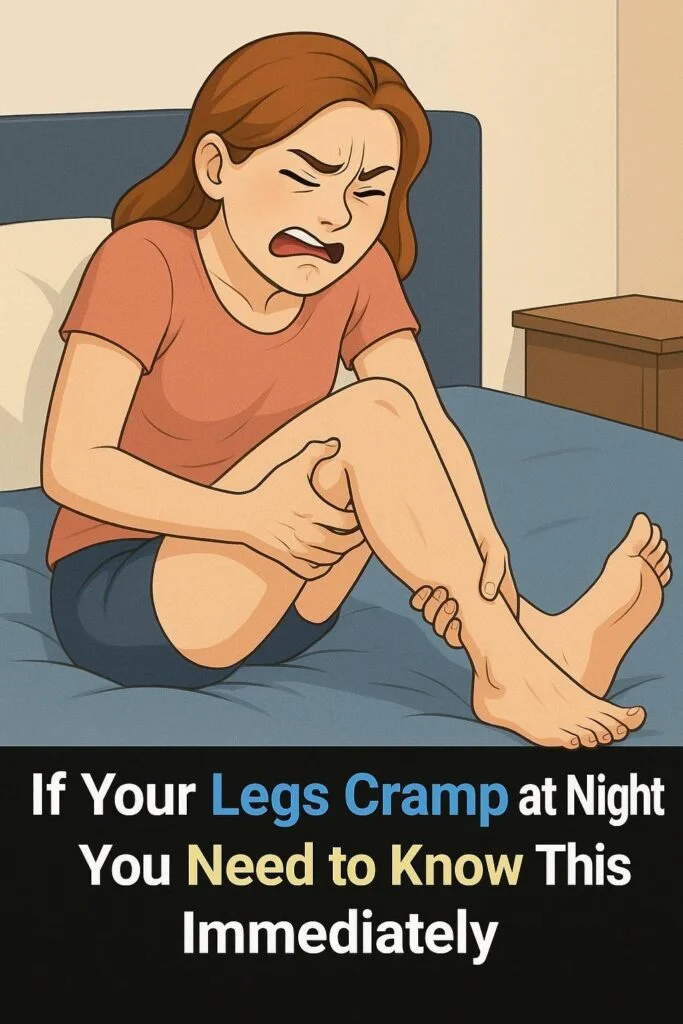
Title: Night Leg Cramps: Common Causes, Relief Tips, and When to See a Doctor
Title: Night Leg Cramps: Common Causes, Relief Tips, and When to See a Doctor
1. What Are Night Leg Cramps?
Night leg cramps are sudden, involuntary muscle contractions that usually occur during sleep or while resting. They most often affect the calves, but can also occur in the feet or thighs. The pain can be intense and may last from a few seconds to several minutes, with lingering soreness afterward.
2. Common Causes
In many cases, the exact cause isn’t clear, but several factors may increase the likelihood of night cramps.
Possible causes include:
- Dehydration: Not drinking enough fluids can contribute to muscle cramps.
- Electrolyte imbalances: Low levels of magnesium, potassium, or calcium may play a role, although deficiencies are not the cause for everyone.
- Muscle fatigue or overuse: Strenuous exercise or prolonged standing can trigger cramps.
- Long periods of sitting or inactivity: Muscles may become stiff after remaining in one position for a long time.
- Pregnancy: Night leg cramps are common, especially during the second and third trimesters.
- Certain medications: Some diuretics, statins, and other medications may contribute to cramps. Never stop a prescribed medication without consulting your healthcare provider.
- Underlying medical conditions: Diabetes, kidney disease, thyroid disorders, nerve problems, and poor circulation can sometimes be associated with muscle cramps.
3. How to Relieve a Cramp
If a cramp occurs, these measures often help:
- Gently stretch the affected muscle.
- Massage the area until the muscle relaxes.
- Walk around if you’re able.
- Apply a warm towel or heating pad to relax the muscle.
- Stay hydrated throughout the day.
4. Tips to Help Prevent Night Cramps
Healthy daily habits may reduce how often cramps occur.
Prevention tips:
- Drink enough water, especially in hot weather or after exercise.
- Stretch your calf and leg muscles before bed.
- Stay physically active with regular exercise.
- Avoid sitting or standing in one position for long periods.
- Eat a balanced diet that includes foods rich in potassium, magnesium, and calcium unless your healthcare provider advises otherwise.
- Wear supportive footwear if you spend long hours on your feet.
5. A Note About Home Remedies
Some home remedies, such as drinking pickle juice, have been studied for exercise-related cramps, but evidence is limited and mixed. While some people find it helpful, it’s not a proven treatment for routine nighttime leg cramps.
Similarly, taking magnesium supplements may help only if you have a deficiency or in certain situations, such as pregnancy. It’s best to speak with a healthcare provider before starting supplements.
6. When to See a Healthcare Provider
Occasional leg cramps are common, but medical evaluation is recommended if:
- Cramps occur frequently or severely disrupt your sleep.
- You develop muscle weakness, numbness, or swelling.
- One leg becomes red, warm, or significantly swollen.
- Cramps begin after starting a new medication.
- You have diabetes, kidney disease, thyroid disease, or poor circulation and your symptoms worsen.
A healthcare provider can evaluate possible underlying causes and recommend appropriate treatment.
7. Final Note
Night leg cramps are common and are usually not a sign of a serious medical problem. Staying hydrated, stretching regularly, and maintaining a healthy lifestyle can help reduce their frequency. If cramps become frequent, severe, or are accompanied by other concerning symptoms, consult a licensed healthcare professional for an evaluation.
This article is for general information only and is not medical advice.