
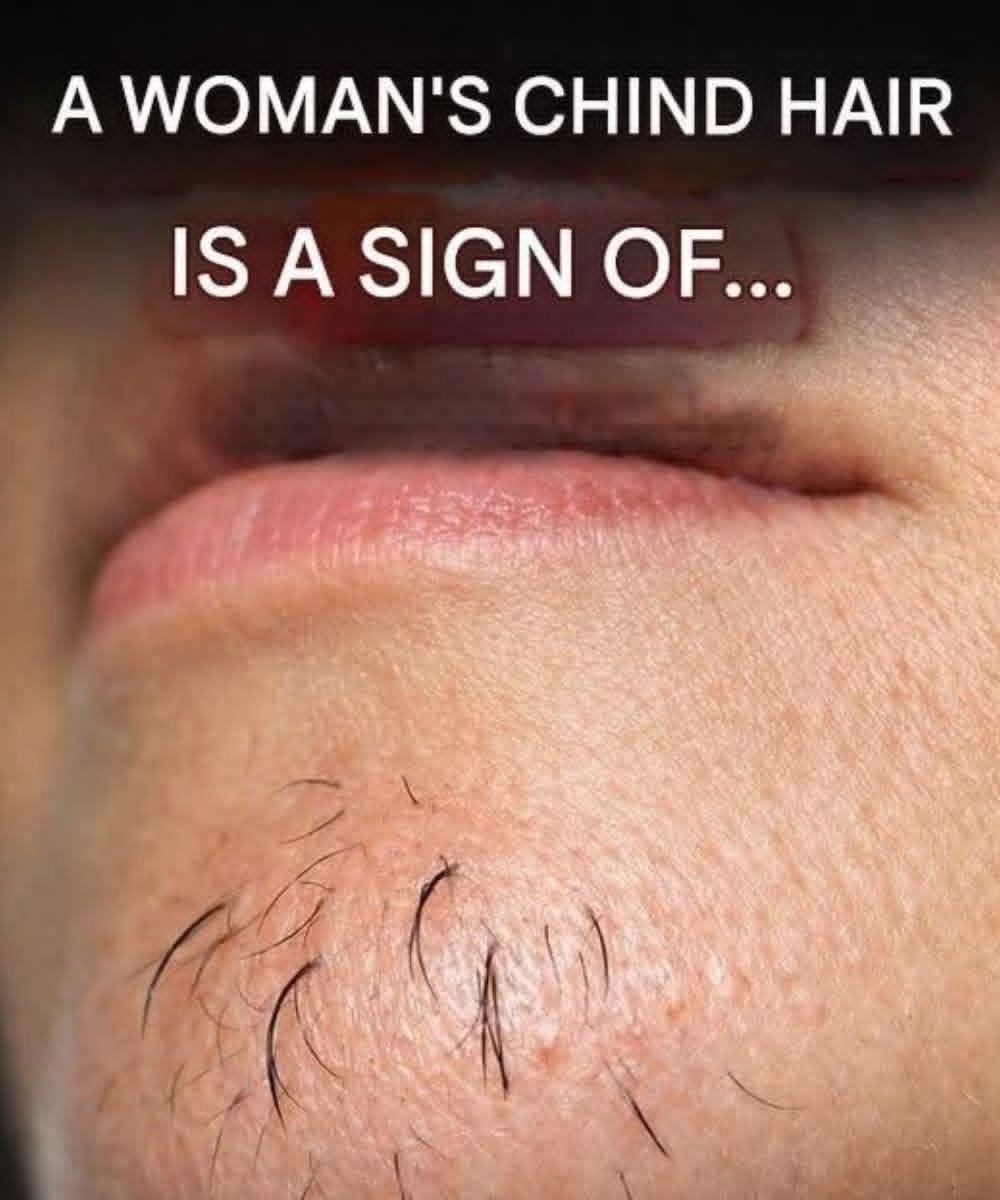
Surprising Truth About Chin Whiskers in Women
Surprising Truth About Chin Whiskers in Women
Many women are surprised to discover that chin whiskers are more common than they think. These small facial hairs vary widely—some are soft and nearly invisible, while others are thick and dark. For some women, it’s just a few strands; for others, facial hair growth may be more noticeable.
Understanding why chin hair appears is essential to managing it effectively. In many cases, chin whiskers are a normal occurrence influenced by hormones, genetics, and certain health conditions.
What Causes Chin Hair in Women?
Like all body hair, chin hair grows according to a natural cycle consisting of three stages:
- Growth (anagen)
- Transition (catagen)
- Rest (telogen)
Hormones called androgens, including testosterone, play a key role in stimulating hair growth. Although all women produce androgens in small amounts, increased levels or heightened sensitivity to these hormones can trigger more noticeable facial hair growth.
Genetics also influence hair growth patterns. If your family tends to have denser body or facial hair, you may be more likely to develop chin whiskers.
Hormonal Influences: A Major Factor
Hormonal changes are among the most common reasons for chin hair growth in women.
Possible causes include:
- Polycystic Ovary Syndrome (PCOS)
- Menopause
- Hormonal contraceptives
- Hormone-based therapies
PCOS can lead to elevated androgen levels and a condition known as hirsutism, which causes excess hair growth in areas typically associated with male hair patterns.
During menopause, declining estrogen levels can create a hormonal imbalance that favors facial hair growth.
The Role of Genetics and Ethnicity
Family history often plays a significant role. If your mother, grandmother, or other close relatives experienced facial hair growth, you may be more likely to experience it as well.
Women of Middle Eastern, South Asian, and Mediterranean ancestry are statistically more likely to develop noticeable facial hair due to genetic factors.
Health Conditions Associated With Excess Facial Hair
While PCOS is a leading cause, other medical conditions can also contribute, including:
- Cushing’s syndrome
- Certain adrenal gland disorders
- Adrenal tumors
- Hypothyroidism
If facial hair appears suddenly or becomes significantly more noticeable, consulting a healthcare professional is recommended.
Common Effects Women May Experience
Chin whiskers can affect more than appearance. Some women report:
- Feeling embarrassed or self-conscious
- Anxiety about appearance
- Costly and time-consuming grooming routines
- Skin irritation from hair removal
- Hesitancy in social situations
- Reduced self-esteem
- Compulsive grooming habits
- Avoidance of close interactions
- Concern about underlying health conditions
- Depression or anxiety related to appearance
Emotional and Psychological Effects
Facial hair can sometimes affect emotional well-being. Feelings of embarrassment or discomfort may lead to lower confidence or social withdrawal.
Societal beauty standards often contribute to these feelings, making support from healthcare providers, counselors, or support groups helpful for some women.
Cultural Expectations and Changing Attitudes
In many cultures, visible facial hair in women has traditionally been stigmatized. However, body positivity movements and broader discussions around self-acceptance are helping challenge these expectations.
Some women choose hair removal, while others embrace their natural appearance. Both choices are valid.
Hair Removal Options
Temporary Methods
- Tweezing
- Waxing
- Shaving
- Depilatory creams
Longer-Term Options
- Laser hair removal
- Electrolysis
- Prescription creams such as eflornithine
A dermatologist can help determine which method is most appropriate based on skin type and hair characteristics.
When to See a Doctor
Consider seeking medical advice if facial hair growth is accompanied by:
- Irregular menstrual cycles
- Acne
- Unexplained weight gain
- Sudden or rapid hair growth
Evaluation may include hormone testing, blood work, or imaging studies.
Natural Remedies and Lifestyle Adjustments
Some lifestyle changes may help support hormonal balance:
- Maintaining a healthy weight
- Eating a balanced diet rich in fruits, vegetables, and whole grains
- Drinking spearmint tea (which may have mild anti-androgen effects)
- Managing stress through exercise, meditation, or yoga
While these approaches may help some individuals, they are not guaranteed treatments.
Final Thoughts
Chin whiskers are common and often completely normal. They may result from genetics, hormonal changes, or certain medical conditions. Understanding the cause can help you decide whether to remove them, seek medical advice, or simply accept them as a natural part of your body.
The most important thing is choosing the approach that makes you feel comfortable and confident.