
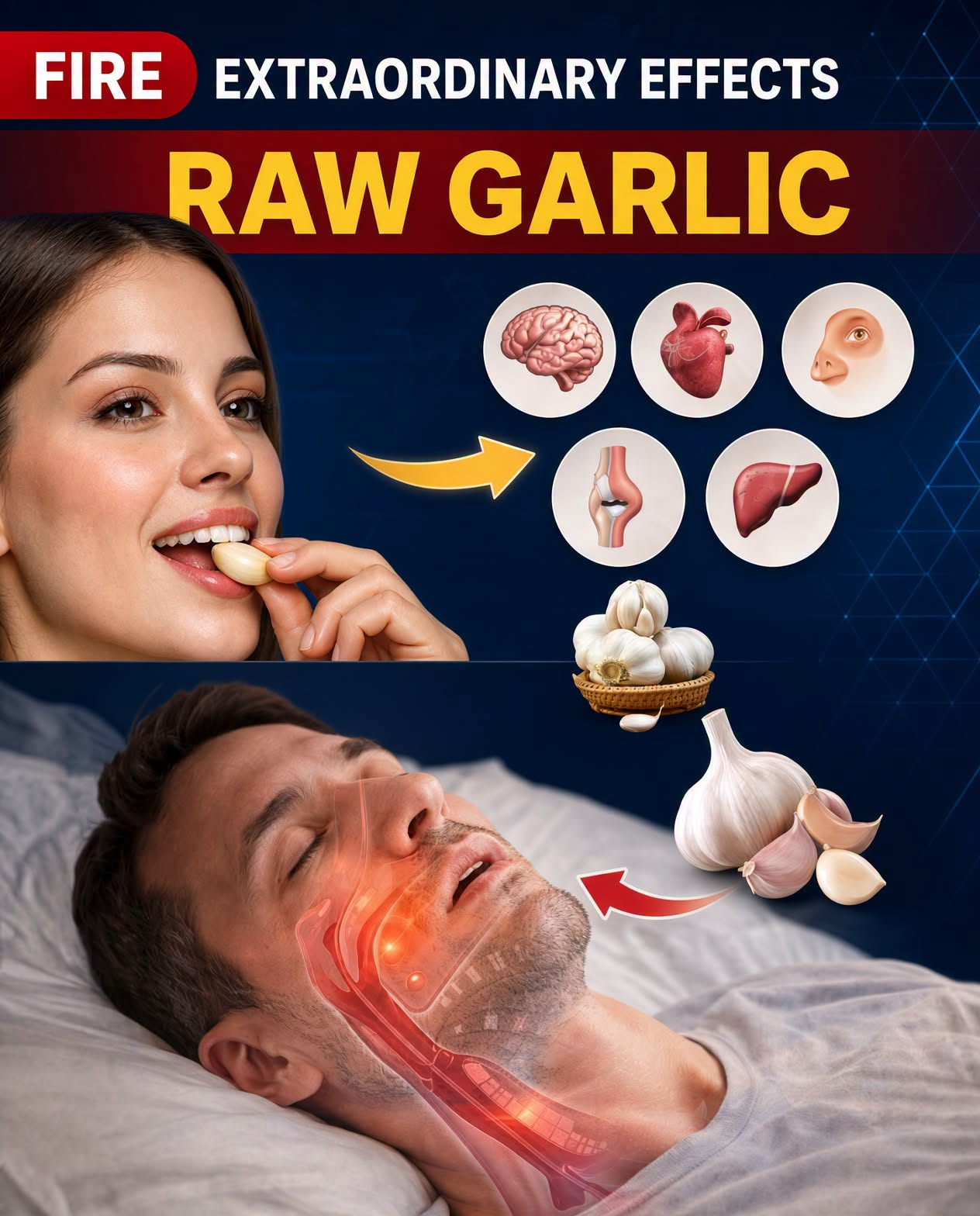
Raw Garlic Every Day? What It May Offer and How to Enjoy It Safely
Garlic is one of those everyday ingredients that has earned an impressive reputation. For centuries, it has been valued in cuisines around the world, and modern researchers continue to study its naturally occurring sulfur compounds.
Raw garlic receives particular attention because crushing or chopping a fresh clove triggers chemical reactions that produce allicin, one of garlic’s best-known compounds.
But does eating raw garlic every day really transform your health?
Garlic can certainly be part of a nutritious diet, but it is not a cure-all. Its most credible benefits come from making it one component of a varied, heart-conscious eating pattern rather than treating one clove as a daily medicine.
🧄 What Makes Garlic Interesting?
Garlic (Allium sativum) belongs to the same plant family as onions, leeks, and shallots.
When fresh garlic is chopped or crushed, an enzyme called alliinase helps convert alliin into allicin. Allicin is relatively unstable and quickly forms other sulfur-containing compounds.
These compounds are responsible for much of garlic’s characteristic aroma and have attracted considerable scientific interest.
Garlic also provides small amounts of several micronutrients. However, because a typical serving is quite small, it should not be considered a major source of vitamins or minerals.
Its distinctive plant compounds are what make it particularly interesting.
1. Garlic Can Be Part of a Heart-Healthy Diet
Garlic has been widely investigated in cardiovascular nutrition.
Some research involving garlic preparations suggests modest effects on certain cardiovascular markers, such as blood pressure or cholesterol, in some populations.
However, the results vary depending on the type and dose of garlic preparation used.
This does not mean that one raw clove a day will “clean the arteries” or eliminate unhealthy cholesterol.
For cardiovascular health, garlic is best combined with vegetables, fruits, legumes, whole grains, nuts, seeds, appropriate protein sources, physical activity, and medical treatment when necessary.
2. It Provides Antioxidant Plant Compounds
Garlic’s sulfur-containing compounds have antioxidant properties and have been investigated for their interaction with several biological processes.
Antioxidants are useful, but the term should not be interpreted as meaning that garlic detoxifies the entire body.
Your liver, kidneys, lungs, digestive system, and other organs already participate in processing and eliminating waste.
Eating a varied diet simply gives those systems the nutrients they need for normal function.
3. Garlic and Normal Immune Function
Garlic is frequently described online as an “immune booster.”
The reality is more nuanced.
Some studies have investigated garlic preparations in relation to common respiratory illnesses, but the evidence is not strong enough to guarantee that eating raw garlic prevents colds, flu, or other infections.
The immune system also depends on much more than a single food: adequate protein and micronutrients, sleep, exercise, vaccination when appropriate, and management of underlying medical conditions all matter.
Enjoy garlic as food rather than as an antiviral medicine.
4. What About Inflammation?
Laboratory studies have explored garlic compounds for their effects on pathways associated with inflammation and oxidative stress.
That does not mean eating garlic will relieve arthritis or eliminate chronic inflammation.
Persistent joint pain, swelling, or stiffness can have many causes and deserves appropriate evaluation.
Garlic can complement an overall nutritious diet, but it should not replace treatment for inflammatory conditions.
5. Does Raw Garlic Improve Digestion?
This depends greatly on the individual.
Garlic contains fructans, a type of fermentable carbohydrate. Some gut bacteria can use these compounds, but they can also trigger gas, bloating, abdominal discomfort, or changes in bowel habits in sensitive people.
This can be particularly relevant for some people with irritable bowel syndrome.
So while garlic fits comfortably into many healthy diets, eating it raw is not automatically better for digestion.
Cooked garlic may be much easier to tolerate.
6. Garlic and Energy: Keep Expectations Realistic
Garlic is sometimes promoted as a natural energy booster.
A typical garlic clove, however, contains very few calories and only small amounts of micronutrients. It should not be expected to correct fatigue or nutritional deficiencies.
Long-lasting tiredness may be associated with sleep problems, stress, anemia, thyroid disorders, diabetes, medication effects, nutritional deficiencies, and many other factors.
If fatigue persists without an obvious explanation, adding more garlic is less useful than finding the underlying cause.
7. Can Garlic Improve Your Skin?
A nutritious diet contributes to normal skin health, and garlic can certainly be part of that diet.
But there is no good reason to expect eating one raw clove to produce dramatically clearer or younger-looking skin.
It is also a good idea to avoid applying raw garlic directly to the skin. Concentrated raw garlic can cause significant irritation and, in some cases, skin burns.
🌿 Raw vs. Cooked Garlic: Is Raw Really Better?
Raw garlic preserves more of certain compounds that can be altered by prolonged heating, but this does not mean cooked garlic has no nutritional value.
There is an easy middle ground.
Crush or chop fresh garlic and allow it to sit briefly before adding it toward the end of cooking. Or simply use garlic in whatever form makes nutritious meals enjoyable and comfortable for you.
Long-term dietary consistency matters more than forcing yourself to eat raw garlic every morning.
Do You Need One Raw Clove Every Day?
No specific daily amount of raw garlic has been established as necessary for good health.
If you enjoy it and tolerate it, a small amount can be incorporated into ordinary meals.
Rather than swallowing a whole clove like a pill, try finely chopped garlic in salad dressings, hummus, yogurt-based sauces, tomato dishes, beans, or other foods.
Eating raw garlic with a meal may also be more comfortable for people who experience stomach irritation.
There is no proven advantage to consuming it on an empty stomach.
Garlic With Honey, Ginger or Lemon
These combinations are popular in traditional wellness recipes.
They can certainly produce flavorful foods and drinks. Ginger may be pleasant for digestive comfort, citrus provides vitamin C, and yogurt can provide protein and live cultures depending on the product.
But combining several healthy ingredients does not create a stronger medicine.
Honey also contains added sugars, so it should be used according to individual dietary needs rather than automatically added for “extra health benefits.”
Raw Garlic vs. Supplements
Whole garlic and garlic supplements are not directly interchangeable.
Supplements may use garlic powder, aged garlic extract, garlic oil, or other preparations with very different concentrations and chemical profiles.
A supplement is also not automatically superior simply because it is concentrated.
Unless there is a specific reason to take one, incorporating garlic into food is an easy way to enjoy it without turning an ordinary ingredient into a treatment.
⚠️ Who Should Be Careful With Raw Garlic?
Small culinary amounts are generally easier to tolerate, but large quantities of raw garlic can cause heartburn, nausea, abdominal discomfort, gas, and a strong lingering odor.
People taking anticoagulant or antiplatelet medicines should be cautious with large amounts or concentrated garlic supplements because of possible effects on bleeding.
Additional caution may be appropriate before surgery and during pregnancy or breastfeeding when considering concentrated supplements.
If you take regular medication or have a chronic medical condition, discuss concentrated garlic products with a healthcare professional rather than assuming they are harmless because they are natural.
Final Thoughts
Garlic deserves its place in a healthy kitchen.
It provides distinctive sulfur-containing compounds, makes nutritious foods more flavorful, and has been the subject of interesting research related to cardiovascular and metabolic health.
But you do not need to swallow a raw clove every morning to be healthy, and garlic cannot guarantee stronger immunity, higher energy, perfect digestion, lower cholesterol, or protection from disease.
Use it in a way you genuinely enjoy—raw or cooked—and combine it with the habits that have a much larger impact on long-term health: a varied diet, regular movement, sufficient sleep, avoiding smoking, and appropriate preventive healthcare.
Sometimes the healthiest way to appreciate a traditional food is not to turn it into medicine at all.
SEO Details
SEO Title: Raw Garlic Every Day: 7 Potential Benefits, Uses and Safety Tips
Meta Description: What happens when you eat raw garlic regularly? Explore its potential heart and wellness benefits, how allicin works, raw vs. cooked garlic, and important safety considerations.
Suggested Keywords: raw garlic benefits, eating raw garlic daily, garlic health benefits, allicin benefits, raw garlic every day, garlic and heart health, garlic for immune health, raw vs cooked garlic, how to eat raw garlic, garlic safety tips