Purple Basil: Amazing Benefits, Culinary Uses, and How to Grow This Beautiful Herb at Home
July 6, 2026•By Tech Us Daily•5 min read
Purple basil is one of the most eye-catching herbs you can grow in your garden or on a sunny windowsill. With its deep purple leaves, fragrant aroma, and bold flavor, this colorful variety has become increasingly popular among home gardeners, chefs, and herb enthusiasts alike.
Beyond its striking appearance, purple basil contains natural antioxidants and beneficial plant compounds that can support overall wellness when enjoyed as part of a balanced diet. It’s also incredibly versatile, making it a wonderful addition to both your kitchen and your garden.
In this guide, you’ll discover what makes purple basil special, its potential health benefits, delicious ways to use it, and simple tips for growing a thriving plant at home.
Note: Purple basil is a nutritious culinary herb, not a medicine or a substitute for professional healthcare.
What Is Purple Basil?
Purple basil is a variety of Ocimum basilicum, the same species as common sweet basil.
Unlike traditional green basil, purple basil develops rich purple to burgundy-colored leaves thanks to naturally occurring plant pigments called anthocyanins.
Popular varieties include:
Dark Opal Basil
Purple Ruffles Basil
Osmin Purple Basil
These varieties are appreciated not only for cooking but also for their ornamental beauty in gardens and containers.
Why Is Purple Basil Purple?
The vibrant color comes from anthocyanins, powerful natural pigments also found in foods such as:
Blueberries
Purple cabbage
Blackberries
Red grapes
Eggplant skin
Anthocyanins help protect plants from environmental stress and also contribute antioxidant compounds to many colorful fruits and vegetables.
Potential Health Benefits of Purple Basil
Although no single herb can provide all the nutrients your body needs, purple basil can be a valuable addition to a healthy eating pattern.
Rich in Natural Antioxidants
Purple basil contains anthocyanins along with other beneficial plant compounds.
Antioxidants help protect cells from oxidative stress caused by free radicals and support overall wellness.
Including antioxidant-rich foods in your diet may contribute to:
Healthy aging
Cardiovascular wellness
Cellular protection
Overall health
May Support Healthy Digestion
Like many aromatic herbs, basil has a long history of traditional use for digestive comfort.
Many people enjoy basil tea after meals as a soothing herbal beverage that may help support normal digestion and reduce occasional feelings of fullness.
Provides Beneficial Vitamins and Minerals
Fresh purple basil supplies small amounts of several important nutrients, including:
Vitamin K
Vitamin A
Vitamin C
Calcium
Iron
Potassium
Vitamin K plays an important role in maintaining normal blood clotting and supporting bone health.
Naturally Refreshing Aroma
The pleasant fragrance of basil is one of its most loved qualities.
Many people find its aroma refreshing and relaxing, making it a popular herb for home gardens where its scent can be enjoyed throughout the growing season.
What Does Purple Basil Taste Like?
Purple basil has a slightly bolder flavor than traditional sweet basil.
Many people describe it as:
Mildly spicy
Slightly sweet
Clove-like
With subtle hints of cinnamon or anise
Its distinctive taste makes it especially enjoyable in fresh dishes where its flavor and color can shine.
Delicious Ways to Use Purple Basil
Purple basil is remarkably versatile in the kitchen.
Popular ways to enjoy it include:
Fresh salads
Homemade pesto
Herbal tea
Pasta dishes
Sandwiches
Pizza toppings
Mocktails and cocktails
Herb-infused oils
Flavored vinegars
Because prolonged cooking may fade its vibrant color, many cooks prefer adding purple basil near the end of cooking or using it fresh.
How to Make Purple Basil Tea
A simple herbal tea is one of the easiest ways to enjoy purple basil.
Ingredients
1 cup hot water
A handful of fresh purple basil leaves
Honey or lemon (optional)
Instructions
Wash the basil leaves thoroughly.
Place them in a mug.
Pour hot water over the leaves.
Steep for 5–10 minutes.
Strain if desired.
Add honey or lemon to taste.
The result is a lightly herbal tea with a beautiful natural color and refreshing aroma.
How to Grow Purple Basil at Home
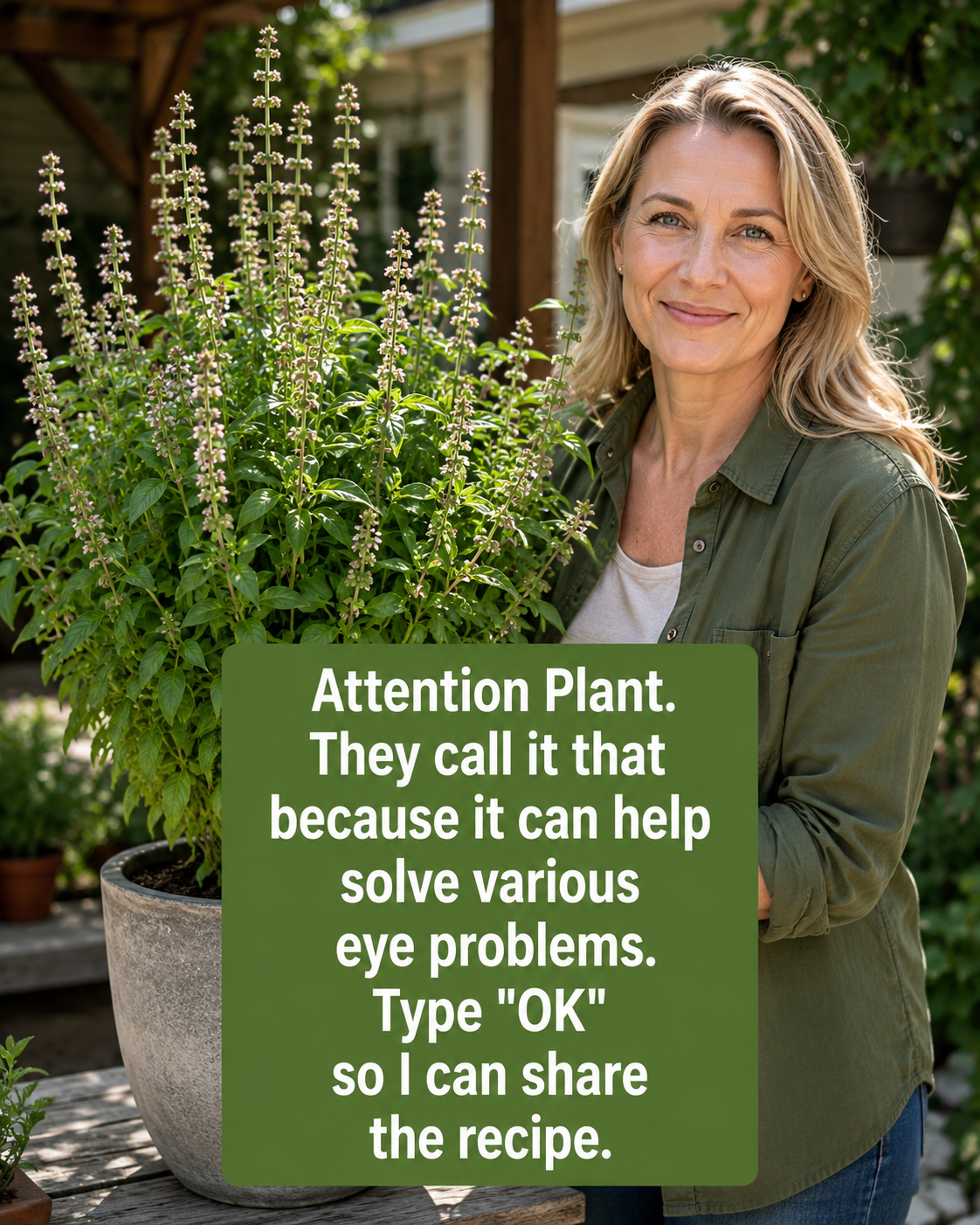
Purple basil is relatively easy to grow and thrives in containers, raised beds, or garden borders.
Growing Tips
Provide 6–8 hours of sunlight daily.
Plant in well-drained, nutrient-rich soil.
Water regularly while avoiding waterlogged soil.
Pinch off flower buds to encourage leafy growth.
Protect plants from frost and cold temperatures.
With proper care, purple basil can produce abundant leaves throughout the growing season.
Is Purple Basil Safe to Eat?
Yes. Purple basil is widely used in cuisines around the world and is generally considered safe when eaten as a food.
As with any herb:
Consume it in moderation as part of a balanced diet.
Individuals with known allergies to basil or related plants should exercise caution.
People taking blood-thinning medications should consult their healthcare provider before making significant dietary changes because basil contains vitamin K.
Purple Basil vs. Green Basil
Feature
Purple Basil
Green Basil
Color
Deep purple to burgundy
Bright green
Flavor
Bolder, slightly spicy
Sweeter and milder
Antioxidants
Higher in anthocyanins
Lower in anthocyanins
Best Uses
Salads, tea, garnish, infused oils
Pesto, sauces, cooked dishes
Both varieties are nutritious and can complement a healthy diet.
Simple Ways to Enjoy Purple Basil Every Day
Adding purple basil to your routine doesn’t require complicated recipes.
Try:
Tossing fresh leaves into salads
Blending them into smoothies
Using them as a colorful garnish
Infusing water with basil and citrus
Mixing chopped leaves into homemade dressings
Sprinkling them over grilled vegetables
Small additions can bring both flavor and vibrant color to everyday meals.
Final Thoughts
Purple basil is much more than an attractive garden plant. Its rich color, fragrant aroma, unique flavor, and naturally occurring antioxidants make it a delightful addition to both the kitchen and the garden.
Whether you’re brewing a soothing herbal tea, creating colorful salads, making infused oils, or simply enjoying its beauty on your patio, purple basil offers an easy and enjoyable way to add freshness to everyday life.
With plenty of sunlight, regular watering, and a little care, this remarkable herb can become one of the most rewarding plants you’ll grow.
Disclaimer: This article is intended for educational purposes only and should not be considered medical advice. Purple basil is a nutritious food but is not intended to diagnose, treat, cure, or prevent any disease. If you have allergies, medical conditions, or take prescription medications, consult a qualified healthcare professional before making significant dietary changes.

 Provide 6–8 hours of sunlight daily.