
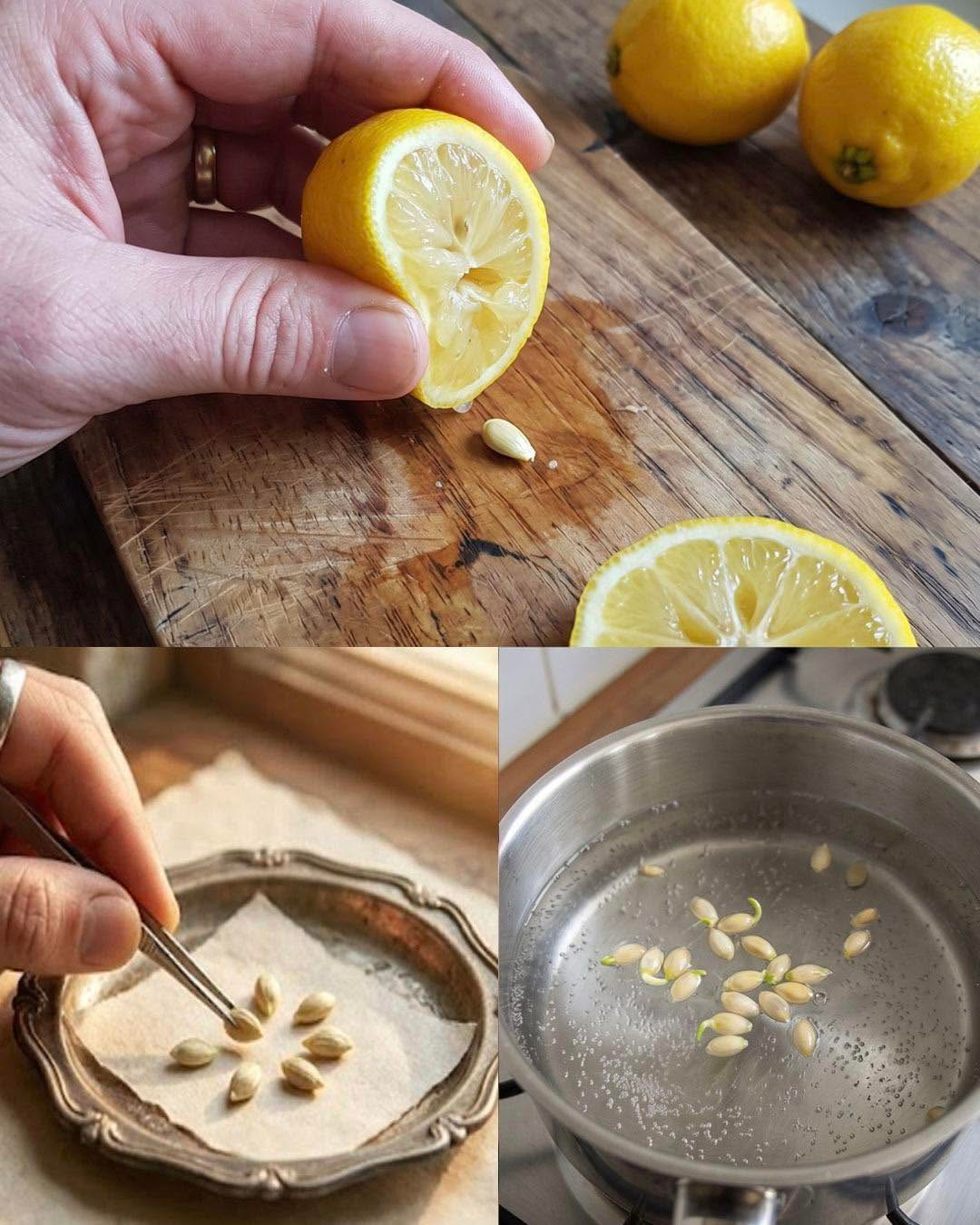
Never throw away the seeds when you squeeze the lemon: they are very useful if you reuse them in this way
Don’t Throw Away Lemon Seeds: 5 Smart Ways They Can Benefit Your Garden
Introduction
Most people squeeze a lemon, enjoy the juice, and throw the seeds straight into the trash. But those tiny seeds have more value than you might think. While growing a lemon tree from seed takes patience and may not produce fruit identical to the parent tree, lemon seeds can still be useful in several eco-friendly ways around your garden.
From starting your own citrus plant to enriching compost, lemon seeds can help reduce household waste while supporting a healthier garden. Here’s how you can put them to good use.
1. Grow Your Own Lemon Tree
One of the most rewarding uses for lemon seeds is growing your own lemon tree.
Although seed-grown lemon trees can take several years to bear fruit—and the fruit may differ from the original lemon—they make attractive indoor or outdoor plants with fragrant blossoms and glossy green leaves.
How to Grow Lemon Seeds
- Remove fresh seeds from a ripe lemon.
- Wash away all the pulp.
- Soak the seeds in warm water for a few hours (optional).
- Plant them about ½ inch (1.25 cm) deep in moist potting soil.
- Keep the soil consistently moist and place the pot in a warm, sunny location.
- Germination usually occurs within 2–6 weeks.
2. Add Them to Your Compost
If you don’t want to grow a lemon tree, don’t throw the seeds away.
Lemon seeds are biodegradable and can be added to a compost pile. As they decompose, they contribute organic matter that improves soil structure and fertility.
For faster decomposition:
- Crush the seeds slightly.
- Mix them evenly with other compost materials.
- Balance citrus waste with plenty of leaves, grass clippings, and kitchen scraps.
3. Support Eco-Friendly Gardening
Reusing lemon seeds is a simple way to reduce kitchen waste.
Instead of sending them to landfills, you’re recycling natural materials back into your garden. Small habits like this help promote sustainable gardening and reduce environmental impact.
4. Experiment with Natural Pest Control
Some gardeners believe crushed lemon seeds and other citrus scraps may help discourage certain insects because of their citrus aroma.
While there is limited scientific evidence that lemon seeds alone are an effective pest repellent, using citrus waste around the garden can be part of an integrated, natural gardening approach.
For more reliable pest control, combine good garden hygiene with proven methods such as companion planting, physical barriers, and encouraging beneficial insects.
5. Grow Decorative Citrus Plants
Even if your tree never produces fruit, lemon plants make beautiful ornamental additions to patios, balconies, and sunny windowsills.
They feature:
- Glossy evergreen leaves
- Pleasant citrus fragrance
- Attractive white blossoms
- Lush indoor greenery
Tips for Success
- Always use fresh seeds from ripe lemons.
- Do not let seeds dry out before planting.
- Use well-draining potting mix.
- Keep young seedlings in bright, indirect sunlight until established.
- Protect seedlings from frost and cold temperatures.
Common Questions
Will a lemon tree grown from seed produce fruit?
Possibly, but it may take 5–15 years, and the fruit may not be identical to the parent lemon because many citrus varieties are hybrids.
Can I plant lemon seeds directly outdoors?
Only in warm climates where citrus trees can survive year-round. In cooler regions, start them indoors or in containers.
Do lemon seeds need to dry before planting?
No. Fresh seeds generally germinate better than dried ones.
Benefits of Reusing Lemon Seeds
- Reduces kitchen waste
- Encourages sustainable gardening
- Produces attractive ornamental plants
- Adds organic matter to compost
- Provides a fun gardening project for families and beginners
Conclusion
Lemon seeds may be small, but they offer several practical uses beyond the kitchen. Whether you choose to grow a citrus tree, enrich your compost, or simply reduce household waste, these overlooked seeds can become a valuable part of an eco-friendly gardening routine.
While some popular claims—such as using lemon seeds alone as a powerful natural pest repellent—are not strongly supported by scientific evidence, reusing them is still a simple and sustainable way to make the most of every lemon. The next time you slice one open, consider saving the seeds—you might be planting the beginning of your next gardening adventure.