
Lemon, Moringa Tea & Japanese Longevity: What Science Really Says
Lemon, Moringa Tea & Japanese Longevity: What Science Really Says
Introduction
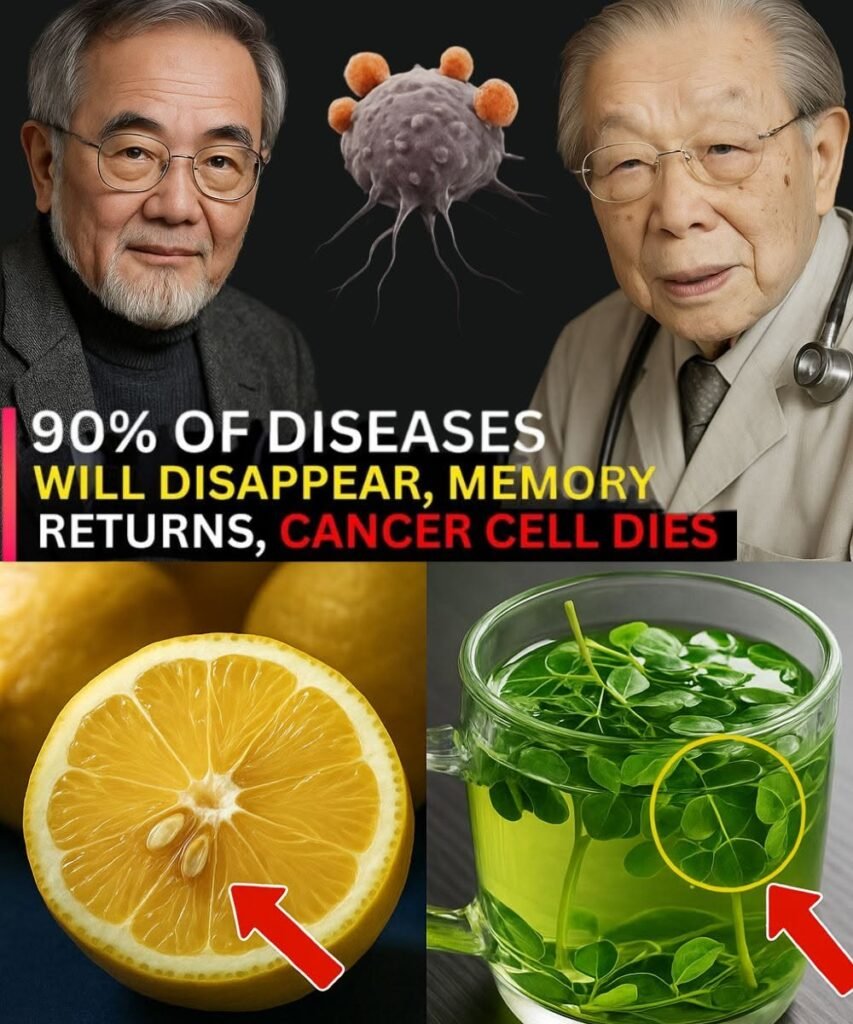
A viral social media image features two elderly Japanese men, a cancer cell graphic, a sliced lemon, and a cup of green leafy tea with bold claims such as, “90% of diseases disappear, memory returns, cancer cell dies.” While Japan is well known for having one of the world’s highest life expectancies, scientific research shows that longevity is not the result of a single food or drink. Instead, it reflects healthy lifestyle habits practiced consistently over many decades.
What’s in the Picture?
The viral image combines several elements to suggest a simple secret to long life.
Elderly Japanese Men: Japan has one of the largest populations of centenarians, particularly in regions such as Okinawa, where healthy aging has been extensively studied.
Lemon: Lemons are rich in vitamin C and antioxidants and add flavor to food and beverages. They contribute to a healthy diet but are not miracle foods.
Moringa or Green Leafy Tea: Moringa is a nutrient-dense plant consumed in many parts of the world, while green tea is a daily staple in Japan. Both provide beneficial nutrients, but neither has been proven to cure serious diseases.
Cancer Cell Graphic: Images of cancer cells are often included in viral posts to imply that certain foods can destroy cancer. There is no credible evidence that lemon, moringa, or any single food can kill cancer cells in the human body.
What Research Says About Japanese Longevity
Scientists who study healthy aging in Japan consistently point to overall lifestyle patterns rather than one specific ingredient.
Many Japanese adults eat a plant-forward diet rich in vegetables, fish, soy products, seaweed, rice, and other minimally processed foods while consuming relatively small amounts of red and processed meat.
Another well-known habit is “Hara Hachi Bu,” which encourages people to stop eating when they feel about 80% full. This practice may help maintain a healthy body weight and reduce overeating.
Green tea is another common part of the Japanese diet. It contains catechins and L-theanine, compounds that have been associated with overall wellness and may support heart health when consumed as part of a balanced lifestyle. However, green tea has not been shown to cure diseases.
Regular physical activity, including walking, gardening, and staying socially engaged, also plays an important role. Strong family relationships and community involvement may help reduce stress and contribute to healthier aging.
What About Lemon and Moringa?
Lemons provide vitamin C, hydration, and antioxidants that support overall nutrition. Moringa contains vitamins A and C, iron, and various plant compounds with antioxidant properties. Both can be nutritious additions to a balanced diet.
However, there is no scientific evidence that either lemon or moringa can restore memory, reverse dementia, eliminate chronic diseases, or treat cancer.
Healthy Habits Worth Adopting
Rather than searching for miracle foods, experts recommend focusing on sustainable daily habits, including:
- Eat more vegetables, fruits, beans, whole grains, and fish.
- Replace sugary drinks with water, green tea, or lemon-infused water.
- Stay physically active with at least 30 minutes of walking or other moderate activity most days.
- Get adequate sleep and manage stress through relaxation and social connection.
- Keep up with regular health screenings and medical checkups.
Conclusion
The true secret behind Japanese longevity is not a single cup of lemon or moringa tea. It is the result of decades of healthy eating, regular movement, strong social relationships, and access to healthcare. Nutritious foods can support overall well-being, but they cannot cure cancer, restore memory, or prevent every disease on their own.
Medical Disclaimer: This article is for educational purposes only and should not be considered medical advice. It does not diagnose, treat, cure, or prevent any disease, including cancer or memory disorders. Always consult a licensed healthcare professional for personalized medical advice or treatment.