
Hidden Dangers in Your Mouth: 8 Early Signs of Oral Cancer You Should Never Ignore
Many people brush off small changes inside their mouth — a tiny sore, a faint white patch, or a bit of numbness — thinking they’re just from biting their cheek or a minor irritation. Yet these subtle shifts can quietly signal something far more serious. Oral cancer often develops without fanfare, and by the time obvious symptoms appear, it may have already progressed. The thought of missing an early warning that could have made all the difference is frightening, especially when simple awareness can change the outcome dramatically. But here’s the hopeful part: recognizing these hidden dangers early gives you the power to act — and there’s one surprising sign most people completely overlook that I’ll share toward the end of this article.
Why Oral Cancer Deserves Your Attention Right Now
Oral cancer includes cancers of the lips, tongue, cheeks, gums, and the floor or roof of the mouth. Research from leading health organizations shows it remains a significant concern worldwide, with tens of thousands of new cases diagnosed each year in the United States alone. The American Cancer Society and Mayo Clinic note that while anyone can develop it, certain lifestyle factors raise the risk substantially. The encouraging news is that when caught early, the outlook improves dramatically compared to later stages. Yet many people still miss the early clues because they seem so ordinary.
But wait — there’s more to this story than just the statistics. Oral cancer can be sneaky precisely because its first signs often mimic everyday issues like canker sores or dry mouth. That’s why paying close attention matters more than you might realize.
The 8 Early Signs of Oral Cancer That Demand Attention
Here are the most common early warning signs experts recommend watching for. If any persist for more than two weeks, it’s time to seek professional evaluation.
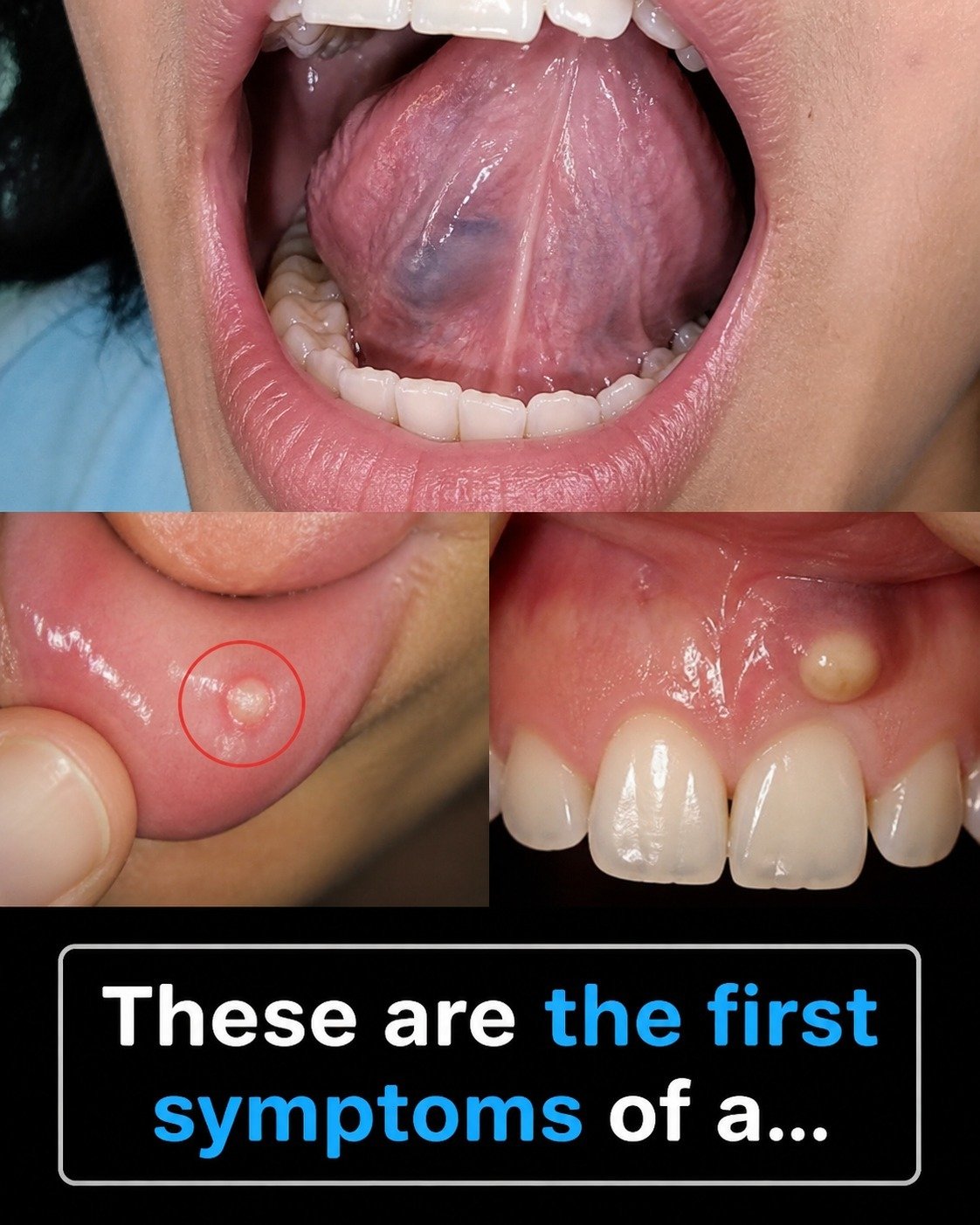
- A sore or ulcer that refuses to heal — This is one of the most frequently reported early indicators according to Mayo Clinic guidelines. Unlike a typical canker sore that clears up in 7–10 days, a cancerous lesion lingers and may even bleed easily.
- White or red patches inside the mouth — Known medically as leukoplakia (white) or erythroplakia (red), these flat or slightly raised areas on the gums, tongue, or inner cheeks can signal precancerous changes.
- Lumps, thickening, or swelling — Any new bump on the lips, cheeks, tongue, or neck lymph nodes deserves attention, even if it doesn’t hurt right away.
- Unexplained bleeding or numbness — Bleeding without obvious injury or a persistent numb or tingling feeling in the lips, tongue, or chin can be an early clue.
- Loose teeth or ill-fitting dentures — When teeth suddenly feel loose without dental disease, or dentures no longer fit properly, it may point to changes beneath the surface.
- Pain or difficulty chewing, swallowing, or moving the jaw/tongue — Persistent discomfort during everyday activities like eating or speaking is a red flag.
- Chronic hoarseness or sore throat — A lingering scratchy voice or the feeling that something is stuck in your throat that doesn’t go away can relate to oral or oropharyngeal changes.
- Unexplained ear pain or weight loss — Pain radiating to one ear without hearing issues, or sudden weight loss without dieting, sometimes accompanies more advanced early-stage developments.
Here’s the part that surprises most readers: these signs can appear in people who have never smoked or drunk heavily. Human papillomavirus (HPV) has emerged as a growing factor, especially in younger adults, according to recent CDC data. The key takeaway? Don’t wait for pain — many early oral cancers are painless at first.
Risk Factors That Increase Your Chances
Certain habits and conditions raise the odds significantly. Studies consistently link the following to higher risk:
- Tobacco use (smoking or chewing) — accounts for a large percentage of cases
- Heavy alcohol consumption, especially when combined with tobacco
- HPV infection (certain strains)
- Poor oral hygiene leading to chronic irritation
- Prolonged sun exposure (for lip cancer)
- Family history or weakened immune system
- Diets low in fruits and vegetables
The good news? More than 80 percent of oral cancers are considered preventable through lifestyle choices and regular screenings.
How to Perform a Simple At-Home Mouth Self-Exam
You don’t need fancy equipment — just a mirror, good lighting, and two minutes once a month. Here’s a step-by-step guide you can start today:
- Stand in front of a well-lit mirror and remove any dentures or partials.
- Check your lips — pull them out and look for sores, color changes, or scaling.
- Open wide and inspect your cheeks, gums, and the roof of your mouth.
- Stick out your tongue and examine all sides, including the underside.
- Feel your neck and jaw for any lumps or swollen lymph nodes using gentle circular motions with your fingers.
- Note anything unusual and monitor it for two weeks.
If something looks or feels off, schedule a dental or medical visit right away. Dentists perform these checks routinely during cleanings — another reason regular appointments are so valuable.
Lifestyle Changes That Support Oral Health
Beyond self-checks, small daily habits can make a meaningful difference:
- Quit or avoid tobacco products completely
- Limit alcohol and never combine it with smoking
- Practice excellent oral hygiene with daily brushing, flossing, and tongue cleaning
- Eat a colorful diet rich in fruits and vegetables
- Consider HPV vaccination if you’re in the eligible age group
- Wear lip balm with SPF when outdoors
These steps not only lower oral cancer risk but also improve overall well-being.
When to See a Professional — And What to Expect
If any symptom lasts longer than two weeks or keeps returning, contact your dentist or doctor promptly. They may perform a visual exam, feel for abnormalities, and, if needed, recommend a simple biopsy for peace of mind. Early evaluation is quick, usually painless, and can provide enormous reassurance or early intervention when it matters most.
Frequently Asked Questions About Oral Cancer Signs
How common is oral cancer compared to other cancers?
It accounts for a notable portion of head and neck cancers, with tens of thousands of new diagnoses annually in the U.S. Awareness and early detection continue to improve outcomes.
Can these symptoms ever be something less serious?
Absolutely — many mouth changes are benign. However, only a healthcare professional can determine the cause, which is why checking persistent issues is always the safest choice.
How often should I get screened if I have risk factors?
Most experts recommend dental check-ups at least twice a year, with more frequent visits if you use tobacco, drink heavily, or have a history of HPV-related issues.
The Bottom Line: Knowledge Is Your Best Defense
Oral cancer may start silently, but its early signs are visible if you know what to look for. By staying attentive to changes in your mouth and acting quickly on anything unusual, you give yourself the best possible advantage. Don’t let fear keep you from checking — let knowledge empower you instead.
Schedule that dental appointment you’ve been putting off. Share this information with friends and family who might benefit. Small actions today can lead to healthier tomorrows.
Disclaimer: This article is for informational purposes only and is not a substitute for professional medical advice, diagnosis, or treatment. Always consult your dentist, doctor, or qualified healthcare provider with any questions you may have regarding a medical condition. Early detection saves lives, but only a healthcare professional can provide personalized guidance.