
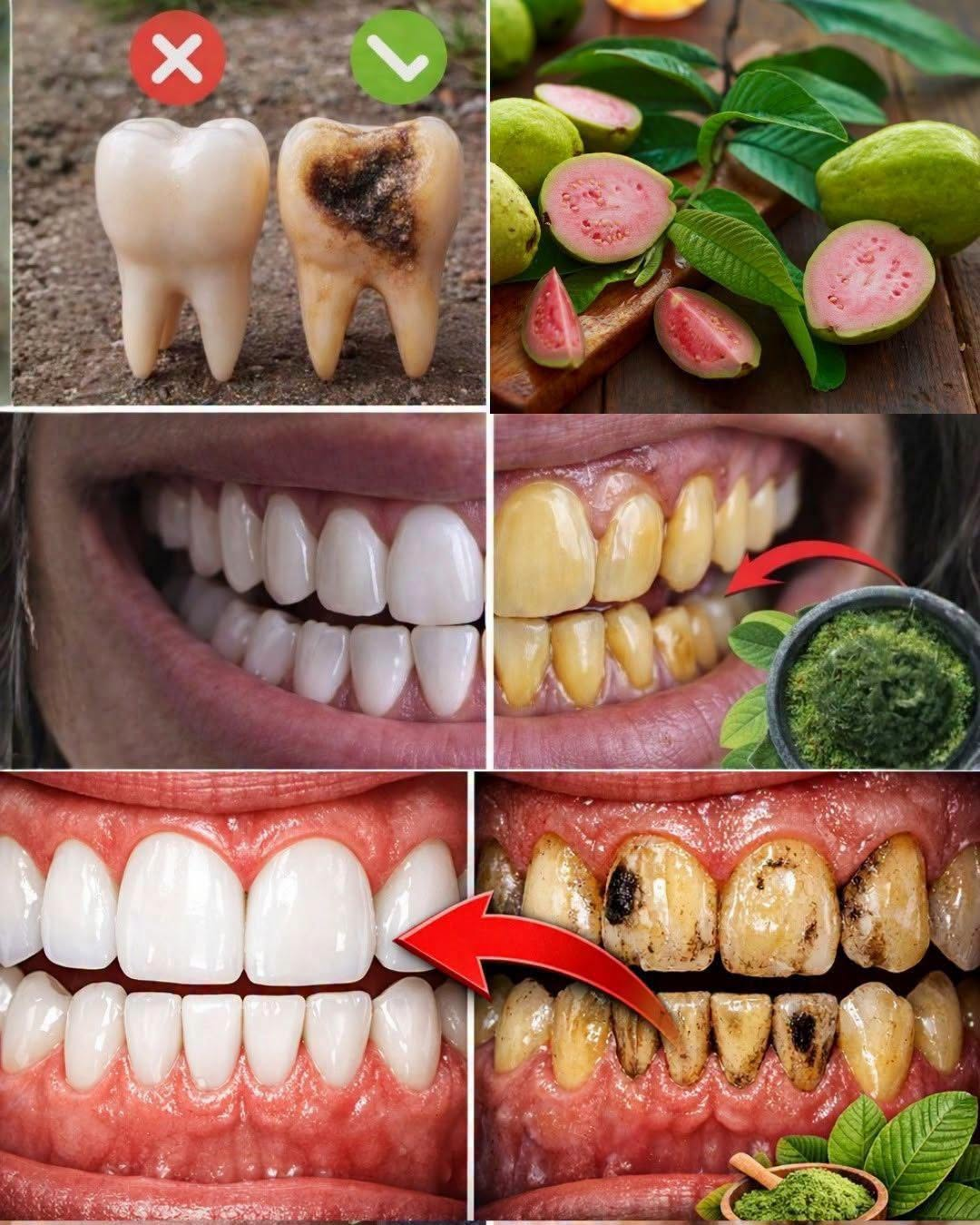
Guava Leaves for Oral Care: 3 Gentle Ways to Use Them at Home
Natural ingredients have long been part of traditional oral-care routines around the world. One example is the guava leaf, which has been used in different cultures as a simple household ingredient for freshness and general mouth care.
Today, interest in guava leaves has grown because they contain naturally occurring plant compounds such as flavonoids, tannins, and antioxidants. While laboratory research has explored how these compounds interact with oral bacteria, guava leaves should not be treated as a cure for cavities, gum disease, or tooth pain.
Their best role is as a supportive addition to regular dental hygiene.
That means brushing with fluoride toothpaste, cleaning between the teeth, limiting frequent sugary snacks, and visiting a dentist when needed should remain the foundation of oral care.
Why Guava Leaves Have Been Used Traditionally
Guava leaves come from the tropical tree Psidium guajava.
The fruit is well known, but the leaves have also been used traditionally in parts of Asia, Africa, and Latin America.
Researchers have identified several plant compounds in guava leaves, including polyphenols and tannins. These compounds are being studied for antioxidant and antimicrobial activity.
However, laboratory findings do not automatically mean that chewing a leaf or rinsing with homemade tea can treat dental disease.
A better way to think about guava leaves is as an optional plant-based oral-care tradition that may fit alongside proven hygiene habits.
1. Guava Leaf Rinse
A homemade guava leaf rinse is probably the simplest way to use the leaves without applying them directly to the teeth or gums.
What You Need
- 5 to 7 clean guava leaves
- 2 cups of water
Fresh or properly dried food-grade leaves can be used.
How to Prepare It
Wash fresh leaves carefully.
Bring the water to a boil and add the leaves.
Reduce the heat and allow them to simmer for approximately 10 to 15 minutes.
Remove from the heat and let the liquid cool completely.
Strain out the leaves.
Use a small amount as a mouth rinse after your normal brushing routine, then spit it out.
A Few Practical Notes
Do not use the rinse while it is hot.
There is no need to swallow it, and using a large amount does not make it more effective.
If you notice burning, irritation, dryness, or other discomfort, stop using it.
Homemade rinses also do not contain fluoride, so they should never replace fluoride toothpaste.
2. Occasionally Chewing a Clean, Tender Guava Leaf
In some traditional practices, young guava leaves are gently chewed.
The appeal is understandable: chewing stimulates saliva and can provide a temporary feeling of freshness.
However, this method should be approached carefully.
Choose only a young, soft leaf that has been thoroughly washed and comes from a plant that has not been treated with unsafe pesticides.
Chew it gently for a short period, then spit it out and rinse your mouth with clean water.
Avoid vigorous chewing, especially if you have:
- Sensitive or bleeding gums
- Mouth ulcers
- Loose teeth
- Dental restorations that feel unstable
- Recent oral surgery
This should be an occasional practice rather than something done repeatedly throughout the day.
And it is important to remember that chewing leaves cannot remove hardened tartar or repair tooth decay.
3. Dried Guava Leaves: A Gentler Alternative to Scrubbing With Powder
Traditional recipes sometimes recommend grinding dried guava leaves into powder and brushing the teeth with it.
That approach deserves more caution.
Any homemade plant powder can contain particles that are too coarse for regular brushing. Repeated scrubbing with an abrasive powder may irritate the gums or contribute to enamel wear.
For that reason, a safer home approach is to use properly dried leaves to prepare a mild rinse instead of rubbing homemade powder directly onto the teeth.
To prepare dried leaves:
Wash them carefully and allow them to dry completely in a clean, shaded, well-ventilated area.
Store them in a clean, airtight container away from moisture.
When desired, use a few dried leaves to prepare the same gentle rinse described above.
This still gives you the convenience of longer storage without adding an unnecessary abrasive step to your dental routine.
What Guava Leaves Cannot Do
This is where many online oral-care claims become misleading.
Guava leaves cannot reliably:
- Reverse an established cavity
- Rebuild missing enamel
- Remove hardened tartar
- Permanently whiten teeth
- Cure gum disease
- Replace professional dental treatment
Early tooth decay sometimes can be managed before a cavity forms, but that relies heavily on fluoride, good hygiene, diet changes, and professional assessment.
Once a tooth has developed a physical cavity, a home herbal rinse cannot restore the missing tooth structure.
A Better Daily Oral-Care Routine
Natural ingredients matter much less than consistency with the basics.
Brush your teeth twice daily with fluoride toothpaste, using a soft-bristled toothbrush and gentle pressure.
Clean between your teeth every day with floss or another suitable interdental cleaner.
Try to reduce how often your teeth are exposed to sugary foods and drinks throughout the day.
Drink enough water, particularly after meals.
And keep up with regular dental examinations according to your dentist’s recommendations.
If you choose to use guava leaves, add them after these habits are already in place, rather than replacing any of them.
When to See a Dentist
Home care is not appropriate for every dental problem.
Arrange a dental evaluation if you develop persistent tooth sensitivity, pain when biting, visible holes in a tooth, swollen or bleeding gums, a broken tooth, persistent bad breath, or discoloration that concerns you.
Facial swelling, fever, rapidly increasing dental pain, or difficulty swallowing deserves prompt professional attention.
Delaying treatment can allow a relatively small problem to become more difficult to manage.
Frequently Asked Questions
Can guava leaves replace toothpaste?
No. Fluoride toothpaste has strong evidence for helping protect teeth against decay. Guava leaves should only be considered an optional addition.
Can I use a guava leaf rinse every day?
Some people may tolerate an occasional mild rinse, but there is no need to use it aggressively or repeatedly. Stop if it causes irritation.
Are fresh leaves better than dried leaves?
Either can be used for a simple rinse if they are clean and properly handled. Freshness does not turn the rinse into a dental treatment.
Can guava leaves remove dark spots from teeth?
No reliable evidence shows that homemade guava leaf preparations remove dental decay or intrinsic tooth discoloration. Dark areas should be checked by a dentist if you are unsure of the cause.
A Traditional Habit With Modern Perspective
Guava leaves are an interesting example of how traditional household practices can coexist with modern oral care.
Their natural plant compounds have attracted scientific interest, and a mild homemade rinse may be an enjoyable addition for people who like herbal routines.
But the most important message is simple:
natural does not need to mean miraculous.
Use guava leaves gently, keep expectations realistic, and rely on proven dental habits to do the heavy lifting.
That combination makes this traditional ingredient easier to enjoy without overlooking the care your teeth and gums actually need.
SEO Title
3 Safe Ways to Use Guava Leaves in Your Home Oral-Care Routine
Meta Description
Discover three gentle ways to use guava leaves as part of an at-home oral-care routine, plus important safety tips and why they should never replace fluoride toothpaste or dental care.
Suggested SEO Keywords
guava leaves for oral care, guava leaf mouth rinse, guava leaves dental hygiene, how to use guava leaves for teeth, natural oral care routine, guava leaf rinse recipe, herbal mouth rinse, healthy teeth routine, home oral hygiene, guava leaves benefits for mouth