
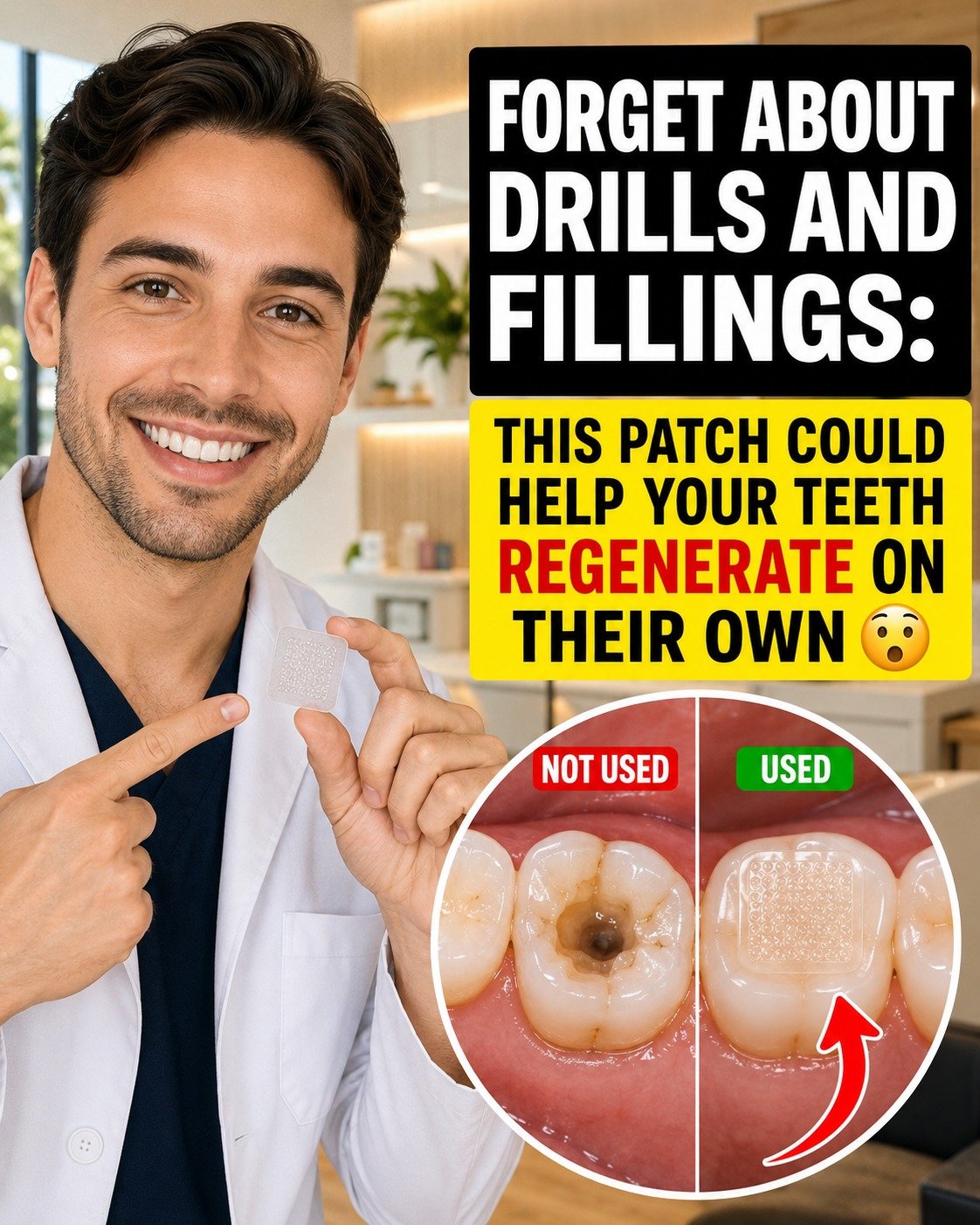
Ever wondered if you could fix your tooth without the pain of drills or fillings?
The future of dentistry might just be here, and it’s not in the form of a new, fancy tool — it’s in the form of a tiny patch. Scientists in South Korea are developing a groundbreaking micro-needle patch that could change how we think about dental repairs forever. Rather than drilling away at a decaying tooth, this patch could regenerate it naturally. In this article, you’ll discover how this new technology works, what it could mean for your future dental health, and why it’s gaining attention across the globe.
The Future of Dental Care: A Natural Way to Regrow Teeth
We’ve all been through it: a cavity, a visit to the dentist, and the dreaded filling. But what if all that could be avoided? A new technique developed by South Korean scientists could potentially eliminate the need for fillings, crowns, and even implants — all with a simple, tiny patch. This isn’t science fiction. It’s real, and it’s in the very early stages of research. The patch, equipped with micro-needles, administers regenerative compounds directly into your gums. These micro-needles are so small they almost feel like nothing at all. But once applied, they release proteins and drugs that activate dormant stem cells in your teeth. These cells help rebuild your tooth naturally, restoring the dentin — the hard tissue beneath the enamel — without the need for invasive procedures.
How the Micro-Needle Patch Works
So, how exactly does this tiny patch fix your teeth? It all comes down to regenerative science. Here’s how it works:
- Micro-Needles: These almost invisible needles gently penetrate the gums. They’re so small you won’t feel them, and they allow the delivery of the necessary compounds directly to your tooth.
- Regenerative Compounds: Once in place, the patch releases proteins or drugs that stimulate the stem cells in your teeth. These cells are already part of the tooth, naturally helping it form during its early stages.
- Regrowth: The compounds activate these stem cells, prompting the regeneration of dentin, the substance that makes up the hard part of your tooth. Over time, your tooth could heal, regenerating itself naturally.
The Promise of Pain-Free Dentistry
If this technology becomes widely available, it could mark the end of the painful, noisy dentist’s office. Say goodbye to that buzzing drill and numbing shots. Imagine a world where a simple patch is all it takes to fix a damaged tooth, possibly even reversing the damage instead of just covering it up. While this new technology is still in its early stages of testing, the potential is enormous. If successful, it would allow dentists to shift from “repair and replace” to “heal and regenerate.” It could not only save you time but also make the process of dental care a lot more pleasant.
Will This Work on Everyone?
While the technology holds great promise, it’s important to keep expectations realistic. The patch is still in development, and there’s no guarantee that it will work for everyone. Some individuals might not have the right kind of stem cells to regenerate their teeth as effectively as others. There are also hurdles in ensuring that the patch can be used for more than just minor damage. However, if the trials are successful, we could see this becoming a mainstream option in the coming years, especially for those with early-stage dental decay.
The Impact on Your Dental Health Routine
If this technology becomes available in the future, it could significantly change how we maintain our teeth. Rather than scheduling frequent dental visits for fillings and repairs, your dentist might simply apply a regenerative patch, allowing your teeth to heal themselves. Not only could this technology save time, but it could also lower the costs associated with dental procedures.
Why This Could Be the Future of Dentistry
The micro-needle patch is revolutionary because it shifts the focus of dental care from repair to regeneration. Instead of repairing the damage, why not allow your body to heal it naturally? This could potentially eliminate the need for fillings, crowns, and implants altogether. The ability to regenerate damaged tissues rather than replace them opens the door to a world of possibilities for dental care, making it less invasive, less painful, and potentially more affordable.
P.S. Ever thought about how modern dentistry is evolving? Keep an eye out for new technologies like this — they may soon change the way you think about tooth care. And remember, this breakthrough could be part of the next big shift in how we keep our smiles healthy!
This article is for informational purposes only and does not replace professional medical advice. Please consult your healthcare provider for personalized guidance.