
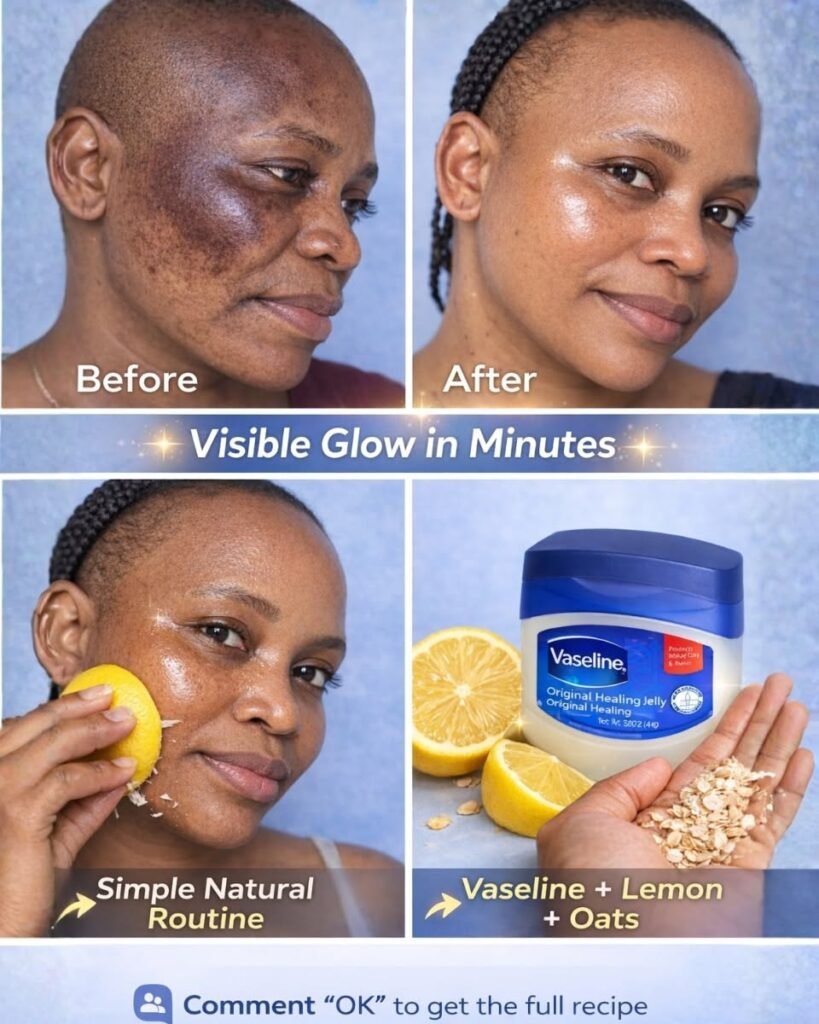
Can Lemon Juice Fade Acne Marks? Natural Support for Brighter, More Even-Looking Skin
Can Lemon Juice Fade Acne Marks? Natural Support for Brighter, More Even-Looking Skin
Why Acne Marks Are So Common
Acne is one of the most widespread skin concerns worldwide, affecting millions of people every year. Even after breakouts heal, many individuals are left with post-acne marks, which can appear as dark spots (post-inflammatory hyperpigmentation) or red patches (post-inflammatory erythema).
These marks often take longer to fade than the acne itself, which can be frustrating. In many cases, people try multiple skincare products—creams, serums, and spot treatments—without seeing fast results. This is because acne marks are influenced by melanin activity, inflammation, and skin cell turnover, which naturally take time to normalize.
This has led many people to explore simple home-based skincare ingredients, including lemon juice.
Why Lemon Juice Is Considered in Skincare
Lemon juice is rich in naturally occurring compounds that are often associated with skin-brightening effects:
- Vitamin C (ascorbic acid) – a powerful antioxidant
- Citric acid – a natural alpha hydroxy acid (AHA)
- Flavonoids – plant compounds with antioxidant properties
These components are commonly studied in skincare science because they may support:
- Brighter-looking skin tone
- Gentle surface exfoliation
- Protection against oxidative stress
- Improved overall skin radiance
However, it is important to understand that fresh lemon juice is highly acidic and not formulated like cosmetic products, so it must be used carefully.
Potential Ways Lemon Juice May Support Acne Marks
1. May Help Brighten Dark Spots
Vitamin C is widely used in dermatology-related skincare research for its role in supporting a more even-looking skin tone. It may help reduce the appearance of dark spots by influencing melanin production over time.
2. Gentle Exfoliation Effect
Citric acid in lemon juice acts as a mild exfoliant. This may help remove dead skin cells from the surface, allowing newer skin layers to appear more visible and refreshed.
3. Supports a Smoother Skin Texture
Regular and careful exfoliation may help improve the look of rough or uneven skin texture caused by old acne marks.
4. Antioxidant Protection
Antioxidants help protect skin cells from environmental stress such as pollution and UV exposure, which are known to worsen pigmentation issues.
5. May Help Reduce the Appearance of Redness
Some natural compounds in lemon may support a calming effect on mild inflammation, although results are typically gradual and vary between individuals.
Safe Ways to Use Lemon Juice on Skin
Because lemon juice is highly acidic, it must always be diluted before topical use.
Simple Diluted Application
Ingredients:
- Fresh lemon juice
- Clean water
- Cotton pad
How to use:
- Mix lemon juice and water in a 1:1 ratio.
- Cleanse and dry your skin.
- Apply only on affected areas using a cotton pad.
- Leave for 5–10 minutes initially.
- Rinse thoroughly and apply moisturizer.
- Use sunscreen during the day.
Soothing DIY Mask
Ingredients:
- 1 teaspoon lemon juice
- 1 teaspoon honey
- 1 teaspoon yogurt
How to use:
- Mix ingredients into a smooth paste.
- Apply to skin (avoid eyes and broken skin).
- Leave for 10–15 minutes.
- Rinse with lukewarm water.
Honey may help soothe the skin, while yogurt provides gentle hydration.
Important Safety Guidelines
Lemon juice is not suitable for everyone. Overuse or improper application may lead to irritation.
Avoid using lemon juice if you have:
- Very sensitive or reactive skin
- Open acne wounds or cuts
- Eczema or skin barrier damage
- History of citrus allergy
Key precautions:
- Always perform a patch test first
- Never apply undiluted lemon juice directly to skin
- Limit use to 1–3 times per week
- Avoid sun exposure immediately after use
- Always apply sunscreen during daytime
Does Lemon Juice Really Remove Acne Marks?
Lemon juice may help improve the appearance of mild discoloration over time, but it does not:
- Remove deep acne scars
- Replace medical treatments
- Deliver guaranteed results
Dermatology-approved treatments such as retinoids, chemical peels, and laser therapy are more effective for persistent pigmentation and scarring.
Frequently Asked Questions
Can lemon juice completely fade acne marks?
Not completely. It may support gradual brightening but results vary depending on skin type and severity.
How long does it take to see results?
If any improvement occurs, it is usually gradual and may take several weeks of careful use.
Can I use lemon juice every day?
Daily use is not recommended because it may irritate or damage the skin barrier.
Is it safe for all skin types?
No. Sensitive skin types should avoid or use extreme caution.
Final Thoughts
Lemon juice contains natural compounds that are often associated with brighter and more even-looking skin. Its vitamin C and citric acid content make it a popular ingredient in DIY skincare routines aimed at improving the appearance of acne marks.
However, it is also a strong natural acid, which means it must be used carefully and in moderation. While it may provide mild cosmetic benefits for some people, it should not replace dermatologist-recommended treatments for acne scars or pigmentation.
For best results, a consistent skincare routine that includes sunscreen, hydration, a balanced diet, and medically approved products remains the most reliable approach to achieving clearer, healthier-looking skin over time.