
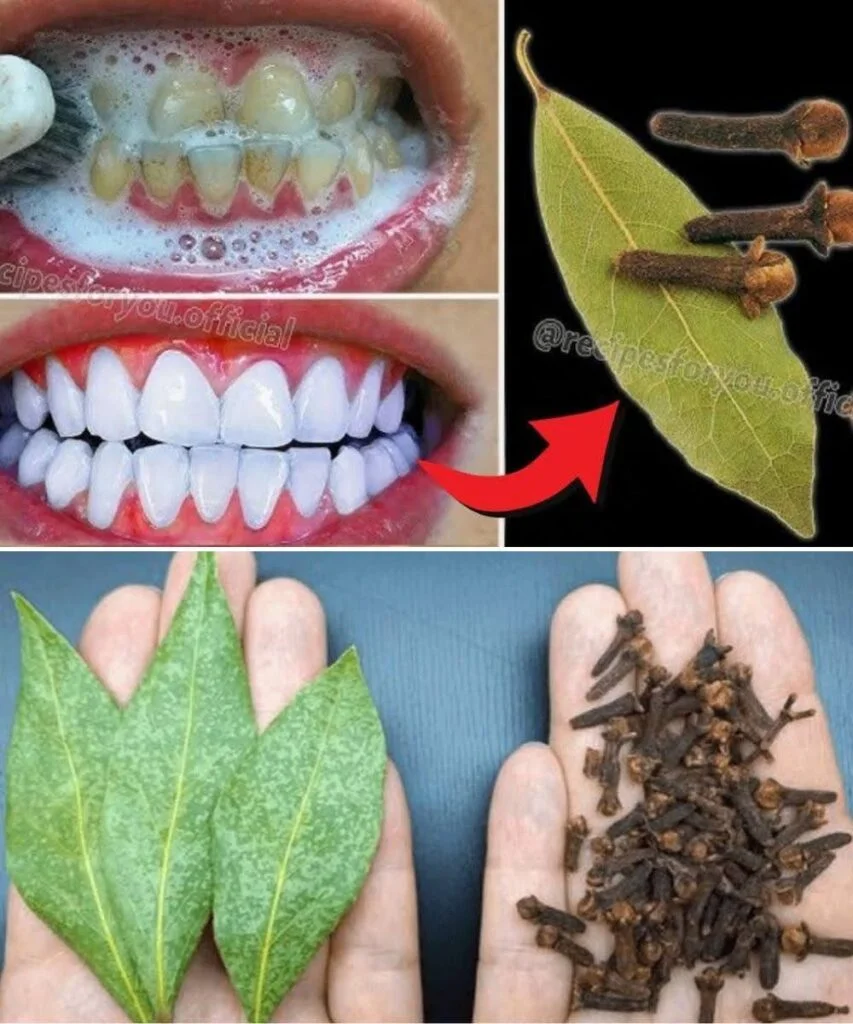
Bay Leaves and Cloves: Traditional Ingredients for Oral Care Routines
Bay Leaves and Cloves: Traditional Ingredients for Oral Care Routines
Bay leaves and cloves are well-known kitchen spices that have also been used in traditional home oral care practices for generations. Their pleasant aroma and distinctive flavor make them popular ingredients in homemade mouth rinses and herbal preparations.
While these spices may leave your mouth feeling fresh, they do not remove hardened tartar, whiten teeth, or replace brushing, flossing, or professional dental care.
Here’s how people traditionally use bay leaves and cloves, along with important safety information.
1. What Are Bay Leaves and Cloves?
Bay leaves are the dried leaves of the bay laurel tree (Laurus nobilis) and are commonly used to flavor soups, stews, and sauces.
Cloves are the dried flower buds of the Syzygium aromaticum tree. They have a warm, spicy flavor and naturally contain eugenol, the compound responsible for their distinctive aroma.
Both spices have long histories in traditional cooking and household practices.
2. Natural Components
Bay leaves and cloves naturally contain:
- Eugenol (cloves): A naturally occurring aromatic compound that gives cloves their characteristic scent and flavor.
- Essential Oils: Present in both spices and contribute to their aroma.
- Antioxidants: Naturally occurring plant compounds found in many herbs and spices.
- Aromatic Compounds: Help create a fresh, pleasant flavor in homemade mouth rinses.
3. Traditional Oral Care Uses
Some traditional home practices include:
- Herbal Mouth Rinse: A cooled infusion made from bay leaves and cloves used as a mouth rinse after brushing.
- Whole Clove: Some people briefly hold a whole clove in the mouth to enjoy its flavor before discarding it.
- Traditional Tooth Powder: Some homemade recipes include finely ground bay leaves. Because abrasive powders can wear away enamel, dentists generally recommend using fluoride toothpaste instead.
- Aromatic Steam: Simmering bay leaves and cloves in water to create a warm, pleasant aroma in the home.
4. Traditional and Culinary Uses
Bay leaves and cloves have been used in traditional cuisines around the world for centuries. Homemade herbal rinses are also part of oral care traditions in some cultures, and warm herbal teas containing these spices are commonly enjoyed for their flavor and aroma.
The refreshing sensation they provide comes largely from their natural aromatic compounds rather than from treating dental problems.
5. Important Safety Tips
Keep these points in mind before trying any home oral care remedy:
- Tartar requires professional removal: Hardened plaque (tartar) cannot be removed with home remedies or regular brushing. A dental professional must remove it during a cleaning.
- Avoid abrasive scrubbing: Powders made from herbs or spices can gradually wear away tooth enamel if used frequently or with excessive pressure.
- Use clove oil cautiously: Undiluted clove essential oil can irritate or burn the gums and other tissues in the mouth. It should not be applied directly unless specifically instructed by a dental professional.
- Whole cloves can be a choking hazard: They are not appropriate for young children.
- Watch for allergies or irritation: Stop using any homemade rinse if you experience burning, swelling, rash, or persistent discomfort.
- Seek dental care when needed: Bleeding gums, tooth pain, loose teeth, persistent bad breath, swelling, or heavy tartar buildup should be evaluated by a dentist.
6. How to Make a Bay Leaf and Clove Mouth Rinse
Ingredients
- 3 dried bay leaves
- 3–4 whole cloves
- 1 cup (240 mL) water
Instructions
- Bring the water to a boil.
- Add the bay leaves and cloves.
- Simmer for 5–7 minutes.
- Allow the mixture to cool completely.
- Strain into a clean container.
- Swish the rinse around your mouth for about 30 seconds, then spit it out. Do not swallow it.
Many people choose to use a homemade rinse occasionally as part of their oral hygiene routine rather than every day.
For Everyday Oral Health
The most effective daily routine includes:
- Brushing twice a day with fluoride toothpaste
- Cleaning between teeth with floss or interdental brushes
- Limiting sugary foods and drinks
- Visiting your dentist regularly for professional examinations and cleanings
These practices have strong scientific evidence for preventing cavities and gum disease.
Final Thoughts
Bay leaves and cloves are flavorful spices that have been used in traditional oral care routines for many years. A homemade rinse may leave your mouth feeling refreshed, but it should be viewed as an optional addition—not a replacement for proven oral hygiene practices.
If your goal is to remove tartar, whiten teeth safely, or treat gum disease or cavities, the best approach is regular dental care combined with brushing twice daily using fluoride toothpaste and cleaning between your teeth every day.
Disclaimer: This article is for informational and educational purposes only and should not be considered dental advice. Bay leaves and cloves are food ingredients and are not intended to diagnose, treat, cure, or prevent any dental disease. Hardened tartar and other dental conditions require evaluation and treatment by a licensed dental professional.