
Bad Breath That Won’t Go Away? The Hidden Cause You Might Be Missing
Have you ever leaned in to speak and suddenly felt unsure about your breath? You brushed carefully, used mouthwash, maybe even chewed gum—and yet something still feels off.
It’s frustrating, isn’t it? You do everything right, but the problem lingers quietly in the background. What if the source isn’t your teeth at all?
Imagine discovering that the real cause could be hiding deeper, in a place most people never think to check. And here’s the surprising part—once you understand it, your entire approach to oral hygiene may shift.
But before we get there, there’s something important you need to notice…
When Fresh Breath Still Feels Out of Reach
You wake up, brush your teeth, rinse, and feel confident. But a few hours later, that faint odor returns. Sound familiar?
You might wonder, “Am I missing something?” Or worse, “Do other people notice?” That uncertainty can slowly affect your confidence in conversations.
The truth is, many people deal with this quietly. And here’s the question—what if the problem isn’t what you’re cleaning, but where you’re not looking?
The Overlooked Area Most People Ignore

Most oral care routines focus on teeth and gums. And yes, they matter. But there’s another area that often goes unnoticed—the tonsils.
These small structures at the back of your throat contain tiny pockets called crypts. Over time, they can trap particles you don’t even realize are there.
You might be thinking, “That sounds unlikely.” But what happens next may explain more than you expect.
What Exactly Are Tonsil Stones?

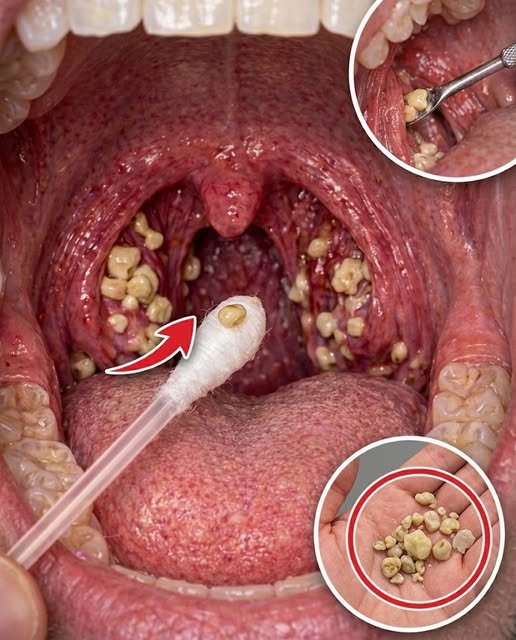
Picture tiny white or yellowish lumps, sometimes barely visible. These are known as tonsil stones, or tonsilloliths.
They form when debris gets stuck in those tonsil crypts. This debris may include:
- Food particles
- Dead cells
- Mucus
- Bacteria
Now here’s where it gets interesting. When this material sits there, bacteria begin breaking it down. And that process can produce sulfur compounds—the same ones linked to persistent bad breath.
So even if your teeth are clean, the odor may still linger. But that’s only part of the story.
Why You Might Not Notice Them Right Away

You might assume you’d feel something unusual. But tonsil stones can be surprisingly subtle.
Some people go years without realizing they have them. Others only notice when symptoms become more obvious.
Have you ever felt like something is stuck in your throat—but nothing is there? Or noticed a strange taste that doesn’t go away?
Those small signs may be clues. And what comes next could help you connect the dots.
7 Signs That Might Point to Tonsil Stones

7. Persistent Bad Breath That Keeps Returning
Linda, 57, brushed three times a day but still felt embarrassed speaking closely with others. She couldn’t understand why nothing worked.
Eventually, she discovered small tonsil stones were the hidden source. Could this explain your situation too? But wait—there’s more to consider.
6. A Strange Metallic or Unpleasant Taste
Have you ever noticed a taste that feels slightly off, almost metallic or sour?
This can happen when trapped debris breaks down in the tonsils. It’s subtle—but persistent.
And here’s the question—have you been ignoring this sign without realizing it?
5. A Feeling Like Something Is Stuck
Mark, 62, described a constant sensation like something was lodged in his throat. Not painful—just annoying.
After learning about tonsil stones, things started to make sense.
Could that same sensation be something you’ve experienced?
4. Mild Discomfort When Swallowing
Sometimes, swallowing feels slightly uncomfortable—not painful, just different.
This may happen when stones grow larger or press against sensitive areas.
But wait—the next sign might surprise you even more.
3. Visible White or Yellow Spots
If you look closely in the mirror, you might notice small spots at the back of your throat.
They’re easy to miss, especially without good lighting. But once you see them, it’s hard to ignore.
And that leads to an important question—should you remove them?
2. Frequent Throat Clearing
Do you find yourself clearing your throat more often than usual?
This could be your body’s way of trying to dislodge something.
But here’s where it gets interesting—sometimes, it actually works.
1. Occasionally Coughing Up Small Lumps
This may sound surprising, but some people cough up small, soft, often smelly lumps.
If that’s ever happened to you, it could have been a tonsil stone.
And realizing this often changes everything about how you approach the issue.
Why Brushing Alone Isn’t Enough
Let’s be honest—brushing feels like the ultimate solution. But it mainly targets your teeth and gums.
Tonsil stones form deeper, in areas your toothbrush simply cannot reach.
Here’s a simple breakdown:
| Area | What It Affects | Cleaning Method |
|---|---|---|
| Teeth & Gums | Plaque, food debris | Brushing, flossing |
| Tongue | Bacteria coating | Tongue cleaning |
| Tonsils | Trapped debris, stones | Specialized care |
So even perfect hygiene may not address the root cause. But don’t worry—there are ways to manage it.
Simple Ways to Support a Cleaner, Fresher Mouth
You might be thinking, “What can I actually do?” The good news is—there are gentle, practical steps you can try.
Daily Habits That Can Help
- Gargle with warm salt water to loosen debris
- Drink water regularly to support natural cleansing
- Clean your tongue gently each day
- Rinse your mouth after meals
These small actions may help reduce buildup over time. But there’s more you can explore.
Comparison of Key Factors
| Factor | Effect on Tonsil Health | What Helps |
|---|---|---|
| Dry mouth | Increases debris buildup | Hydration |
| Large tonsil crypts | Traps more particles | Gentle cleaning |
| Diet (dairy/sticky) | May contribute to buildup | Balanced eating |
You might be wondering—which one matters most? Often, it’s the combination that makes the difference.
Safe and Gentle Care Tips
| Step | Recommendation | Why It Matters |
|---|---|---|
| Gargling | 1–2 times daily | Helps loosen trapped debris |
| Hydration | Sip water throughout the day | Supports saliva production |
| Gentle removal | Only if visible and easy | Avoids irritation |
| Professional advice | If symptoms persist | Ensures proper care |
These steps may seem simple—but consistency can change your experience.
But Wait—There’s One More Insight
You might be thinking, “If they’re harmless, why worry?” That’s a fair question.
While tonsil stones are usually not dangerous, they can affect your comfort and confidence. And addressing them early may prevent ongoing frustration.
Sometimes, the smallest issues have the biggest impact on daily life.
Final Thoughts: A Hidden Cause Worth Exploring
If bad breath has been bothering you despite your best efforts, it might be time to look beyond your teeth.
Tonsil stones are often overlooked, yet surprisingly common. With awareness and simple habits, you may be able to manage them effectively.
So the question is—will you keep guessing, or start exploring what’s really going on?
Take a moment today. Check, observe, and try a small change.
Because sometimes, the answer isn’t complicated—it’s just hidden in a place you never thought to look.
P.S. One simple trick—gargling after meals, not just before bed, may help reduce buildup more than you expect. It’s a small shift that can make a noticeable difference over time.
This article is for informational purposes only and does not replace professional medical advice — please consult a qualified healthcare provider for personalized guidance.