
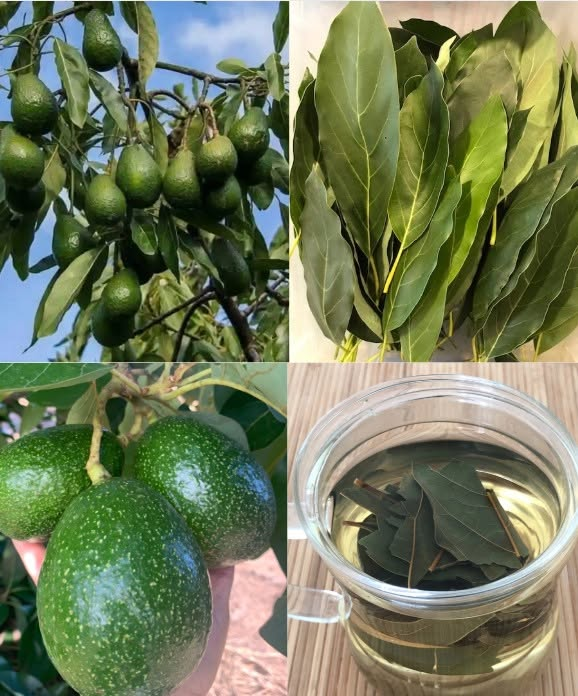
Avocado Leaves Benefits and Uses
Avocado leaves, often overlooked, offer numerous health benefits and practical uses due to their rich content of antioxidants, vitamins, minerals, and medicinal properties. Here are some of the key benefits and uses of avocado leaves:
Health Benefits of Avocado Leaves:
Rich in Antioxidants: Avocado leaves contain high levels of antioxidants such as flavonoids and phenols, which help neutralize free radicals in the body. This can reduce oxidative stress and lower the risk of chronic diseases like cancer and heart disease.
Anti-Inflammatory Properties: The leaves contain quercetin, a compound known for its anti-inflammatory effects. This alleviates pain and inflammation related to conditions such as arthritis and other inflammatory diseases.
Supports Respiratory Health: Avocado leaves are traditionally used to relieve respiratory issues like asthma, bronchitis, and flu. They help in clearing the airways, reducing coughs, and promoting easier breathing.
Aids in Digestion: Avocado leaves have been used to treat digestive issues such as bloating, diarrhea, and stomach discomfort. The leaves’ fiber content supports digestion and soothes the gastrointestinal tract.
Helps Regulate Blood Pressure: The potassium and magnesium found in avocado leaves help regulate blood pressure by balancing sodium levels and improving circulation. This is particularly beneficial for individuals with hypertension.
Promotes Heart Health: Avocado leaves are rich in healthy fats and compounds that support heart health by reducing cholesterol levels and improving blood flow, thus reducing the risk of heart disease.
Manages Blood Sugar Levels: Research suggests that compounds in avocado leaves can help reduce blood sugar levels, making them beneficial for people with diabetes or those at risk of developing the condition.
Antimicrobial Properties: Avocado leaves exhibit antibacterial and antiviral effects, which help in fighting off infections and promoting overall immune health.
Diuretic Effect: Avocado leaves can act as a natural diuretic, helping to flush out excess fluids and toxins from the body. This can help reduce water retention and support kidney function.
Boosts Skin Health: The antioxidants and anti-properties of avocado leaves can benefit the skin by promoting wound healing, reducing acne, and slowing down inflammatory signs of aging.
Uses of Avocado Leaves:
Herbal Tea: One of the most common uses of avocado leaves is making herbal tea. Steep dried or fresh leaves in hot water to make a calming tea that offers health benefits like improved digestion and blood pressure regulation.
Culinary Use: In some cultures, avocado leaves are used to flavor dishes. For example, Mexican cuisine uses dried avocado leaves to enhance the flavor of soups, stews, and sauces, providing an anise-like aroma.
Poultices for Pain Relief: Crushed avocado leaves can be used as a poultice for external pain relief. They are applied to the skin to alleviate joint pain, muscle aches, or headaches.
Natural Insect Repellent: Avocado leaves can be used to make a natural insect repellent. The leaves contain certain compounds that help keep insects like mosquitoes away when burned or made into a spray.
Bath Soak: Adding avocado leaves to a bath can provide soothing relief for muscle soreness and stress. Their anti-inflammatory properties can help relax the body and ease tension.
Wound Healing: Avocado leaves can be applied to wounds and cuts to promote faster healing. Their antibacterial properties help prevent infections and inflammation in minor injuries.
Steam Inhalation: For respiratory relief, avocado leaves can be used in steam inhalation. Boil the leaves in water, and inhale the steam to clear nasal passages and relieve sinus congestion.
Skin Treatments: Avocado leaf-infused water or paste can be applied to the skin to reduce irritation, inflammation, or acne. It can also help with conditions like eczema and psoriasis.
Weight Loss: Avocado leaf tea is sometimes used as part of a weight-loss regimen due to its metabolism-boosting effects and its ability to improve digestion and reduce water retention.
Hair Care: Avocado leaves can be used in hair rinses to promote scalp health and strengthen hair. The nutrients in the leaves may help reduce dandruff and promote shiny, healthy hair.
How to Prepare Avocado Leaves for Use:
Avocado Tea: Boil a few fresh or dried leaves in water for 10 minutes, strain, and enjoy as an herbal tea.
Poultice: Crush fresh avocado leaves and apply them to painful or swollen areas on the body.
Culinary Use: Toast or dry the leaves and add them as a spice to stews, soups, or grilled meats.
Avocado leaves are a versatile natural remedy with a wide range of health benefits and practical uses. However, it is important to ensure proper identification of the leaves and consult a healthcare professional before using them medicinally, especially if you are pregnant or have any underlying medical conditions.