
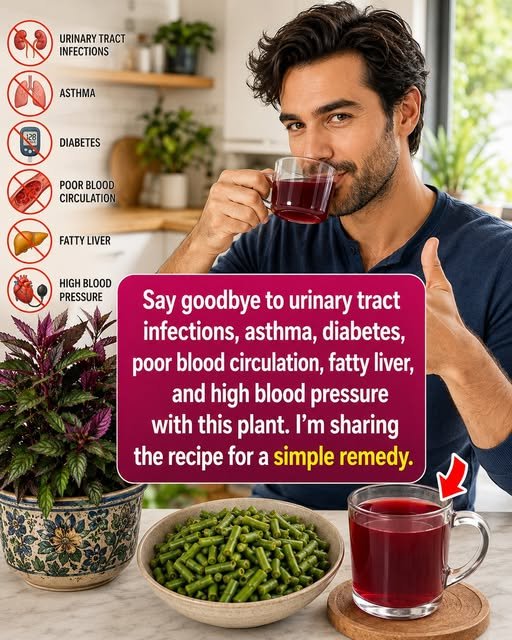
Add This Red Kitchen Drink to Support Blood Pressure After 50
Hibiscus tea with green beans is an old-school kitchen idea quietly gaining massive attention after 50.
Below, you’ll see why this simple red drink catches people’s eye, what green beans really add, and the one mistake that can turn a “healthy” glass into a sugar bomb.
The surprising part is this: the drink itself is not the whole story.
The real shift happens when it replaces the daily habits quietly working against your energy, pressure, and circulation.
Why Hibiscus Gets So Much Attention After 50
Hibiscus has a bold color, a tart flavor, and a “grandmother’s kitchen” reputation that makes it feel both familiar and powerful.
Many people know it as a refreshing red tea or iced drink.
But after 50, it gets attention for another reason: it may support healthy blood pressure and heart-friendly habits when used as part of a balanced routine.
That matters because blood pressure, circulation, energy, and swelling often creep up slowly.
Not with one dramatic warning.
More like a quiet change in how your body feels when you climb stairs, wake up tired, or notice your shoes feel tighter by evening.
Your body often whispers before it shouts.
Hibiscus contains plant compounds called anthocyanins, the same family of pigments that gives many red and purple plants their deep color.
That doesn’t make it magic.
It makes it useful when you use it wisely.
And that is where most people get the recipe wrong.
The Sugar Mistake That Cancels the Benefit
Here is the part many viral recipes skip.
Hibiscus tea can be a smart swap, but not when it is loaded with sugar.
A large glass of sweetened hibiscus may taste better at first, but it can quietly work against the very reason many people drink it.
If your goal is better daily habits after 50, the sweetener matters.
Try this instead:
- Brew hibiscus strong, then dilute it with cold water.
- Add cinnamon, lemon, or orange slices for flavor.
- Use only a small amount of sweetener, or skip it completely.
That one change can turn hibiscus from a dessert drink into a refreshing daily replacement for soda or sweet tea.
And here is the real payoff: the drink becomes less about “fixing” something overnight and more about removing one daily burden from your body.
Small swaps win because you actually repeat them.
Where Green Beans Fit Into the Picture
Green beans may sound odd in a drink conversation, but they are not random.
They are one of those humble foods many people overlook because they seem too simple.
Green beans bring fiber, water, minerals, and plant nutrients to the table.
After 50, fiber becomes more important than many people realize.
It may support digestion, help you feel satisfied longer, and support healthier blood sugar and cholesterol patterns when your overall meals are balanced.
That is why green beans deserve attention.
Not because they “erase” health problems.
Because they help fill a common gap.
Many adults eat too little fiber without noticing. The signs can look ordinary: slow digestion, more cravings, heavier meals, less energy, and that uncomfortable full feeling that lasts too long.
A few more vegetables each day can change the rhythm of your body.
That is not flashy.
It is powerful.
The Better Way to Use This Kitchen Combo
Instead of forcing green beans into hibiscus tea, use the idea more practically.
Let hibiscus become your drink swap.
Let green beans become your meal upgrade.
That pairing makes more sense for daily life.
Try this simple routine:
Morning or afternoon drink: unsweetened hibiscus tea with cinnamon or lemon.
Lunch or dinner plate: steamed green beans with garlic, olive oil, or a squeeze of lime.
Evening habit: replace one sweet drink with water or herbal tea.
This gives your body hydration, more plants, less sugar, and more fiber without turning your kitchen into a science project.
That matters because complicated health routines rarely last.
Simple ones do.
And after 50, consistency beats intensity almost every time.
Watch for These Quiet Body Signals
Some signs do not feel serious at first.
They feel like “getting older.”
But many people ignore them for too long.
Pay attention if you often notice:
- Daily tiredness that does not match your activity
- Frequent thirst or heavy sugar cravings
- Puffy feet or hands by the end of the day
- Slow digestion or constipation
- Headaches that show up often
- Feeling winded during normal walking
- Poor sleep and low morning energy
These signs do not automatically mean something is wrong.
But they are useful messages.
They may be telling you your routine needs more water, more fiber, less sugar, better sleep, and a check-in with your healthcare provider.
Your body is not asking for perfection.
It is asking for patterns it can trust.
The One Thing Viral Remedies Often Miss
Here is the counterintuitive part promised earlier: the best “remedy” may not be what you add.
It may be what you stop repeating.
A hibiscus drink can be helpful.
Green beans can be helpful.
But the quiet shift happens when they replace habits like soda, late-night snacking, salty processed meals, or skipping vegetables for days at a time.
That is why one glass gets too much credit online.
The real benefit comes from the chain reaction.
One better drink leads to less sugar.
One better side dish leads to more fiber.
One better dinner leads to better sleep.
One better morning leads to more walking.
That is how health changes after 50: not from one dramatic rescue, but from fewer daily insults.
A small habit repeated daily is louder than a miracle recipe used once.
A Simple 10-Minute Version to Try
Here is a practical way to start.
Add 1 small handful of dried hibiscus to 4 cups of water.
Simmer for about 10 minutes.
Let it cool, strain it, and dilute to taste.
Add cinnamon, lemon, mint, or orange peel if you want more flavor.
Keep it lightly sweetened or unsweetened.
Then, sometime that same day, add green beans to one meal.
Steam them until tender, then season with garlic, pepper, lemon, or a small drizzle of olive oil.
That is it.
No complicated schedule.
No expensive powder.
No strange routine you will quit by Friday.
The goal is not to drink hibiscus once and wait for a miracle.
The goal is to build a day your body does not have to fight.
What This Really Gives You After 50
The biggest win is not just pressure, sugar, digestion, or circulation.
It is independence.
It is having enough energy to walk farther, cook for yourself, visit family, sleep better, and feel more in control of your choices.
Food habits after 50 are not about chasing youth.
They are about protecting freedom.
Hibiscus and green beans are not glamorous, but they represent something important: old-school foods can still fit modern health goals when used with common sense.
The top 3 takeaways are simple: keep hibiscus low in sugar, use green beans for fiber-rich meals, and focus on daily swaps instead of miracle promises.
Share this with someone who still thinks “healthy” means complicated, because sometimes the best change starts with one red glass and one better plate.
P.S. Remember the flavor trick? Cinnamon, lemon, mint, or orange peel can make hibiscus taste brighter without needing a heavy spoonful of sugar. That small upgrade makes the habit easier to keep.
This article is for informational purposes only and does not replace professional medical advice. Please consult your healthcare provider for personalized guidance.