
Health & Tips
7 Signs Your Body May Need Better Nutrition: When to Talk to a Doctor
1. Why Nutrition Matters for Overall Health
Good nutrition provides your body with the vitamins, minerals, protein, healthy fats, and carbohydrates it needs to function properly. A balanced diet supports energy production, immune function, healthy skin, strong bones, and normal growth and repair. When your body doesn’t receive enough nutrients, you may notice physical or mental changes over time.
Key points:
- Nutrients support energy, immunity, and tissue repair.
- A balanced diet helps maintain overall health.
- Different foods provide different essential nutrients.
- Regular health checkups can help monitor nutritional status.
2. Common Signs People Associate With Poor Nutrition
Several physical changes are commonly linked to inadequate nutrition. However, these symptoms can also have many other causes and should not be used to diagnose a deficiency on their own.
Common signs include:
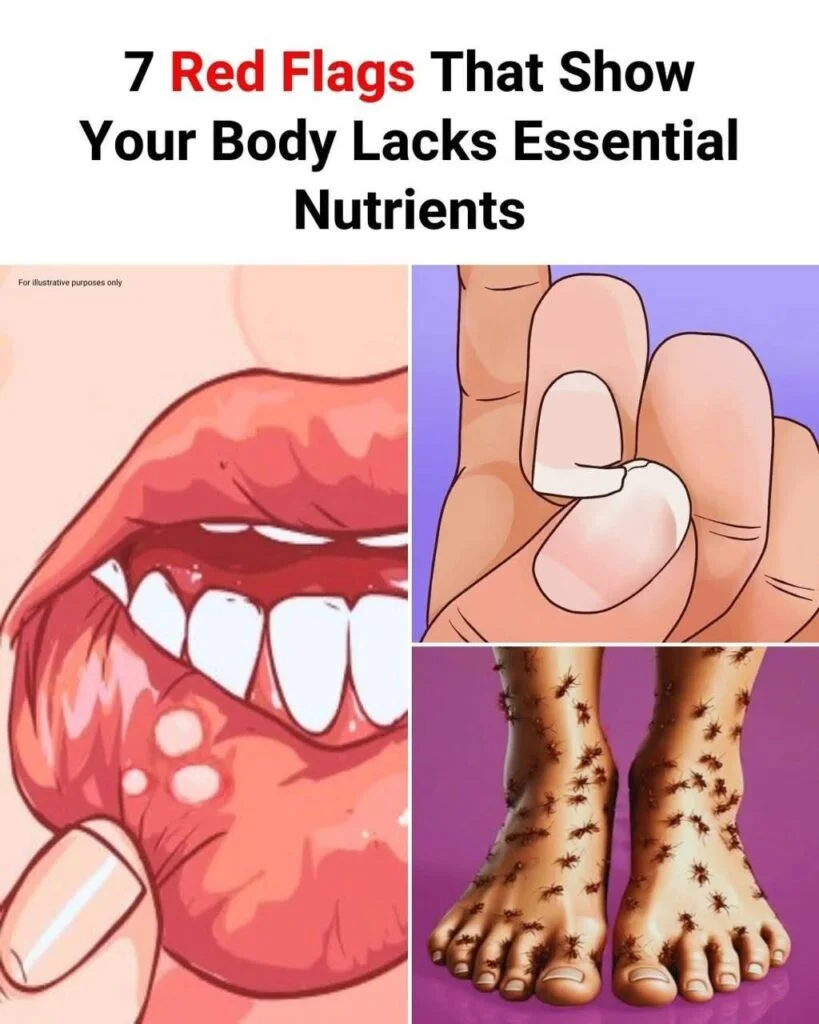
- Mouth sores or cracks at the corners of the mouth
- Brittle or easily broken nails
- Dry or irritated skin
- Feeling tired despite getting enough sleep
- Hair thinning or increased hair shedding
- Slow healing of cuts or minor wounds
- Difficulty concentrating or changes in mood
Only a healthcare professional can determine the underlying cause of these symptoms.
3. When Should You See a Doctor?
If these changes continue or worsen, it’s important to seek professional medical advice instead of trying to diagnose yourself.
Talk to a healthcare provider if you experience:
- Symptoms lasting several weeks
- Multiple symptoms occurring at the same time
- Persistent fatigue, weakness, or dizziness
- Ongoing changes in your skin, nails, hair, or mouth
- Difficulty maintaining a balanced diet
- Unexplained weight loss or appetite changes
Your doctor may recommend a physical examination, blood tests, or a nutritional assessment.
4. Tips for Supporting Better Nutrition
Healthy eating habits can support your overall well-being and reduce the risk of nutrient deficiencies.
Daily nutrition tips:
- Eat plenty of fruits and vegetables.
- Choose whole grains whenever possible.
- Include lean protein such as fish, eggs, beans, or poultry.
- Drink enough water throughout the day.
- Eat healthy fats like nuts, seeds, and olive oil.
- Limit processed foods and added sugars.
- Plan balanced meals with a variety of food groups.
Small, consistent changes often have the greatest long-term benefits.
5. The Importance of Professional Guidance
Healthcare professionals can help evaluate your nutritional status and recommend appropriate care based on your individual needs.
Professional support may include:
- Reviewing your diet and eating habits
- Blood tests to check nutrient levels if needed
- Personalized meal planning
- Guidance from a registered dietitian
- Follow-up visits to monitor your progress
Avoid taking vitamin or mineral supplements unless they are recommended by your healthcare provider.
6. Healthy Lifestyle Habits That Support Nutrition
Nutrition works best when combined with other healthy lifestyle choices.
Support your health by:
- Exercising regularly
- Getting 7–9 hours of quality sleep
- Managing stress
- Staying hydrated
- Avoiding tobacco products
- Limiting alcohol consumption
- Attending routine medical checkups
These habits work together to support your overall health and well-being.
7. Final Thoughts
Your body often reflects your overall nutrition and lifestyle. Changes in your energy, skin, hair, nails, or mood may be related to your diet, but they can also result from many other health conditions.
The best approach is to eat a balanced diet, maintain healthy daily habits, and consult a licensed healthcare provider if you notice persistent symptoms. Early evaluation can help identify any underlying issues and ensure you receive the right care.
Disclaimer: This article is for general educational purposes only and should not be considered medical advice. Always consult a qualified healthcare professional for diagnosis, treatment, or personalized nutritional guidance.