
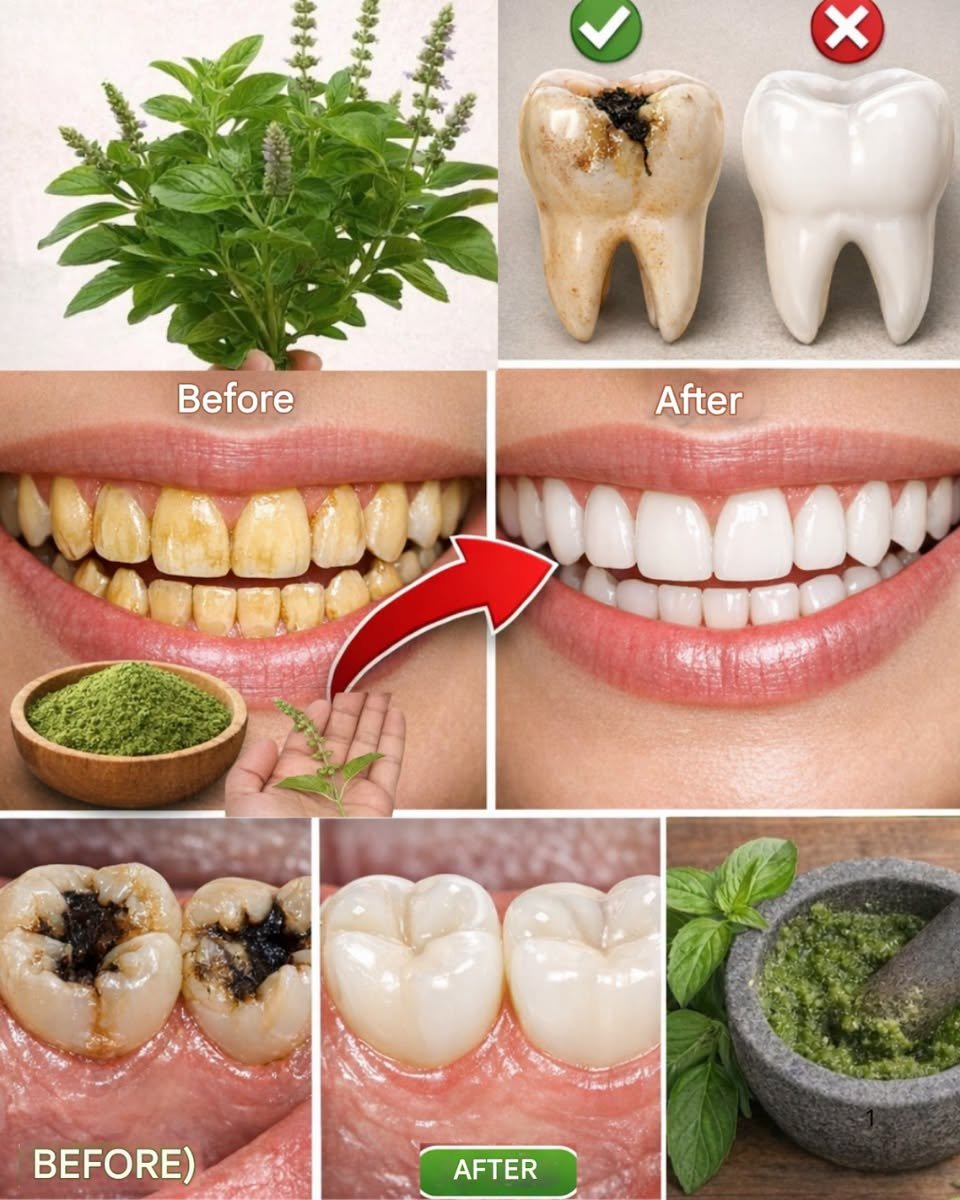
🌿 How Holy Basil (Tulsi) May Support Your Oral Health Naturally
What if a simple plant could gently enhance your daily oral care routine?
Holy Basil, also known as Tulsi, has been used for centuries in traditional wellness practices—especially in Ayurveda. Today, it’s gaining attention as a natural way to support healthier teeth, gums, and fresher breath.
Rather than acting as a “miracle cure,” Tulsi can be a helpful addition to a balanced oral hygiene routine.
🌟 Why Tulsi Is Gaining Popularity in Oral Care
Many conventional oral products may contain strong ingredients that don’t suit everyone. Tulsi offers a gentler, plant-based alternative thanks to its natural compounds, including:
- Essential oils
- Flavonoids
- Eugenol
- Antioxidants
These elements work together to help maintain a balanced environment in the mouth.
🧬 Potential Benefits of Tulsi for Oral Health
🦠 1. Helps Manage Harmful Bacteria
Tulsi contains natural antibacterial properties that may help reduce bacteria linked to:
- Plaque buildup
- Cavities
- Gum discomfort
- Bad breath
🌱 2. Supports Gum Comfort
Its anti-inflammatory compounds may help soothe sensitive or irritated gums when used regularly.
🛡️ 3. Provides Antioxidant Protection
Tulsi is rich in antioxidants, which can help protect oral tissues from oxidative stress caused by diet and environment.
🌿 4. May Ease Minor Oral Discomfort
In traditional use, Tulsi leaves or powder have been applied to help relieve mild tooth sensitivity or gum irritation.
💨 5. Naturally Freshens Breath
By addressing odor-causing bacteria, Tulsi may help keep breath feeling fresher for longer.
🦷 Common Oral Concerns Tulsi May Help Support
- Plaque & early decay: helps limit bacterial growth
- Gum sensitivity: supports soothing and recovery
- Mouth ulcers: may assist natural healing
- Persistent bad breath: targets root causes, not just symptoms
🌿 Easy Ways to Use Tulsi at Home
🧴 1. Tulsi Mouth Rinse
How to prepare:
- Boil 5–6 Tulsi leaves in 1 cup of water (5 minutes)
- Let cool and strain
How to use:
- Rinse your mouth 1–2 times daily
Why it helps:
- Supports fresher breath
- Helps maintain gum health
🪥 2. Tulsi Powder for Brushing
How to prepare:
- Dry leaves in the shade and grind into powder
How to use:
- Mix with toothpaste or coconut oil
- Use 2–3 times per week
🍵 3. Tulsi herbal tea
How to prepare:
- Steep fresh or dried leaves for 10 minutes
Internal support:
- Helps overall wellness
- May indirectly support oral health through reduced inflammation
🦷 Tips for Better Results
For best outcomes, combine Tulsi with good daily habits:
- Brush twice a day
- Floss regularly
- Limit sugar intake
- Stay hydrated
- Avoid overly acidic drinks
- Visit your dentist routinely
👉 Tulsi works best as a complement—not a replacement—for professional care.
🌟 What Makes Tulsi Stand Out
- Multi-benefit support (antibacterial, soothing, antioxidant)
- Gentle on the mouth
- Helps maintain natural balance
- Supports overall well-being
⚠️ Important Precautions
- Pregnant or breastfeeding individuals should consult a professional
- Check for possible interactions if using medications
- Start with small amounts
- Not a substitute for dental treatment
🌸 Final Thoughts
Tulsi is more than just a traditional herb—it’s a simple, natural way to support your oral care routine. With consistent and mindful use, it may help you maintain a cleaner, more comfortable, and balanced mouth.
🌿 Nature offers helpful tools—using them wisely is what makes the difference.