
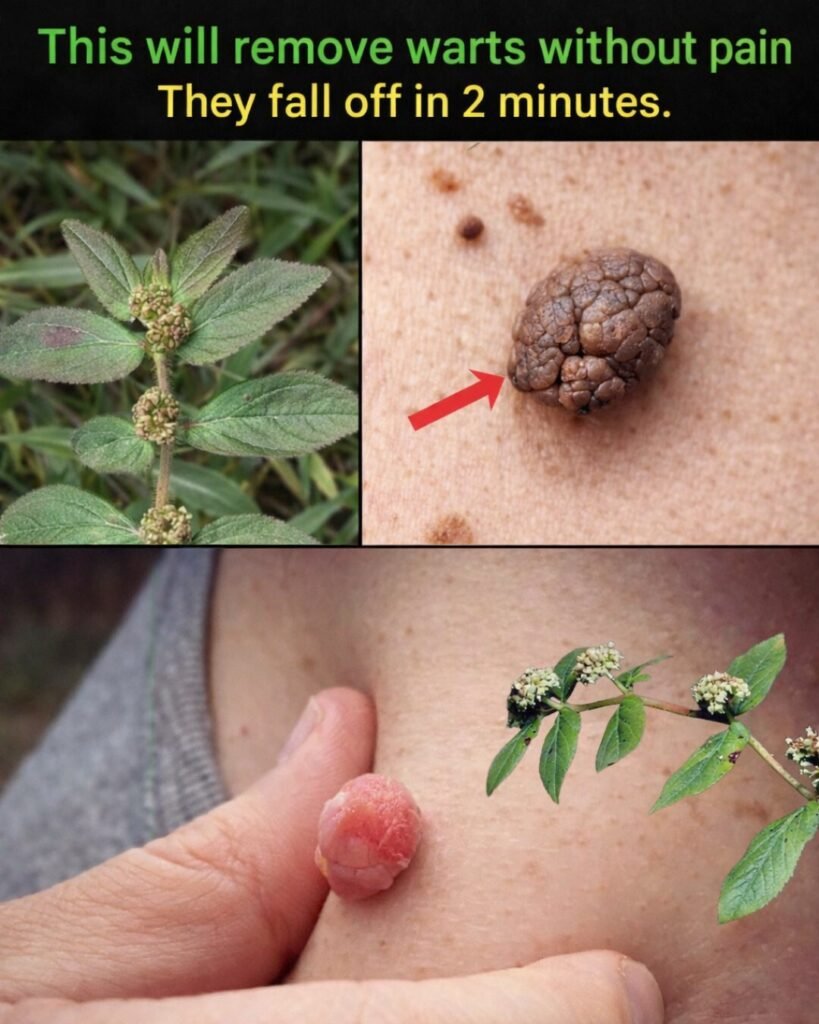
Living with warts can feel incredibly frustrating. These small, rough growths often appear in visible spots like your hands or feet, making everyday tasks uncomfortable and self-conscious moments more stressful. Over-the-counter treatments with strong acids can sting, cause redness, or take weeks without guaranteed success, while professional removal feels invasive and costly. Many people search for gentler alternatives that align with a more natural approach to skin care.
That’s where a humble herb comes in—one that’s been part of traditional practices in various cultures for generations. Known scientifically as Euphorbia hirta (commonly called asthma weed, snake weed, or tawa-tawa), this plant’s milky sap has caught attention in folk remedies for its potential drying effect on unwanted skin growths like common warts and skin tags. While not a proven medical cure, traditional users report that consistent, careful application may help the growth dry, shrink, and detach naturally over time. But is there more to this story? Keep reading to discover what traditional knowledge and limited studies suggest, along with safe ways to approach it.

What Exactly Is Euphorbia hirta?
Euphorbia hirta is a small, annual herb from the Euphorbiaceae family, often found as a common weed in tropical and subtropical areas, including roadsides, gardens, and waste spaces across Asia, Africa, and beyond.
It features slender stems, small hairy leaves, and tiny flowers, but the standout feature is its milky white latex sap that oozes when the stem or leaf is broken. This sap contains various compounds, including flavonoids, tannins, alkaloids, and terpenoids, which contribute to its traditional reputation for skin-related uses.
In folk medicine traditions, particularly in parts of India, Africa, and Southeast Asia, people have applied the sap topically for minor skin issues. Some sources, including ethnobotanical reviews, note its historical mention for drying out warts, supporting gentle exfoliation, and aiding skin comfort around the area.
But here’s the key: while anecdotal reports and some traditional documentation exist, scientific evidence remains limited and mostly preliminary.

Why This Natural Option Appeals to So Many
People drawn to natural remedies often seek options that feel milder than chemical alternatives. Here’s why Euphorbia hirta stands out in traditional contexts:
- Perceived gentleness: Unlike salicylic acid-based products that can burn or irritate, the sap is described in folk use as having a drying rather than aggressive caustic action.
- Accessibility: As a widespread weed, it’s often readily available in natural settings (though identification is crucial).
- Low cost: No need for expensive creams or clinic visits—just fresh plant material.
- Traditional success stories: Many users in regions where it’s commonly used report warts darkening, shrinking, and falling off after regular application, sometimes without noticeable scarring.
But that’s not all… Traditional remedies like this often work best when combined with patience and proper skin care habits.

Potential Benefits Backed by Tradition and Early Insights
Traditional systems and some phytochemical studies highlight compounds in Euphorbia hirta that may support its folk reputation:
- Drying and astringent properties from tannins and other constituents could help reduce moisture in growths.
- Antimicrobial effects noted in lab tests on certain bacteria and fungi might indirectly support skin health.
- Anti-inflammatory elements (like flavonoids) could ease surrounding irritation.
A few small-scale observations and ethnobotanical papers mention positive outcomes for warts, with users applying the sap directly. However, these are not large clinical trials—results vary widely by individual, and no robust evidence confirms it as a reliable treatment.

How People Traditionally Apply It (For Informational Purposes Only)
If you’re curious about exploring this traditional method, always prioritize safety. Here’s a general outline based on folk practices—this is not medical advice:
- Identify the plant correctly: Ensure it’s truly Euphorbia hirta (small, hairy, with milky sap). Misidentification can lead to issues.
- Spot test first: Apply a tiny amount of sap to a small area of unaffected skin (like inner arm) and wait 24 hours to check for irritation.
- Gather fresh material: Pick a healthy leaf or stem.
- Extract the sap: Gently break or squeeze to release the white latex.
- Apply carefully: Dab a small drop directly on the wart or skin tag using a clean cotton swab or finger (avoid spreading).
- Let it dry: Allow it to air-dry naturally.
- Repeat: Use 1–2 times daily, consistently for days to weeks, observing changes.
Many traditional users note the growth may darken or crust before detaching. Stop immediately if any discomfort arises.
Important Safety Considerations and Warnings
While some find it tolerable, the sap of Euphorbia hirta (like many Euphorbia species) can be irritating due to its latex content.
- Avoid eyes, mouth, broken skin, or sensitive areas—it may cause burning, redness, or allergic reactions.
- Discontinue if irritation, rash, or worsening occurs.
- Not suitable for everyone, especially pregnant individuals, children, or those with skin sensitivities.
- The plant’s latex in general can be photosensitizing or cause contact dermatitis in some cases.
Always consult a healthcare professional or dermatologist before trying any home remedy, especially for persistent or changing growths.
Better Alternatives and When to See a Professional
If natural options don’t appeal or results are slow, proven approaches include:
- Over-the-counter salicylic acid products
- Cryotherapy (freezing)
- Duct tape occlusion
- Professional treatments like laser or electrosurgery
See a doctor if the wart:
- Changes in size/color
- Bleeds or hurts
- Spreads
- Appears suspicious (could indicate something else)
Early professional input ensures safe, effective care.
Wrapping It Up: Nature’s Gentle Possibility
Exploring traditional remedies like the sap from Euphorbia hirta highlights how plants have supported skin care across cultures for ages. For those frustrated with stubborn warts, it offers an accessible, low-cost idea rooted in history—though individual experiences differ, and science is still catching up.
If you’re open to natural paths, a cautious trial (after patch testing and professional advice) might be worth considering. Nature sometimes provides simple surprises for common concerns.
Frequently Asked Questions
Is Euphorbia hirta safe for everyone to use on warts?
No—while traditional use exists, the sap can irritate skin or cause reactions. Always patch test and consult a doctor first, especially if you have sensitive skin or health conditions.
How long does it typically take for warts to respond to this method?
In folk reports, changes may appear in 1–2 weeks with daily use, but it varies. Smaller warts often respond faster; patience is key, and stop if no improvement or irritation occurs.
Can this remedy cause scarring or other side effects?
Traditional users often report minimal scarring, but improper use or sensitivity can lead to redness, blistering, or irritation. Professional wart removal minimizes risks better in many cases.
Disclaimer: This article is for informational purposes only and does not constitute medical advice. Natural remedies are not substitutes for professional healthcare. Warts and skin growths should be evaluated by a qualified dermatologist to rule out underlying issues and ensure safe treatment. Individual results vary, and self-treatment carries risks. Consult your healthcare provider before trying any new remedy.