
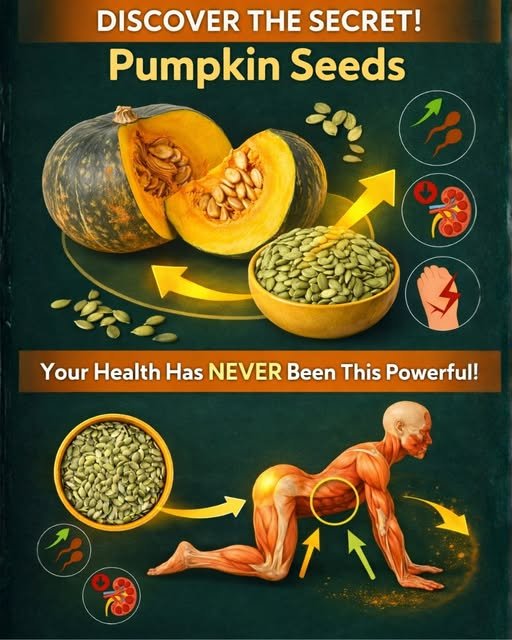
Pumpkin seeds — also known as pepitas — are small but remarkably nutrient-dense. For centuries, they’ve been valued in traditional diets across Latin America and other regions, not just for their mild, nutty flavor but for their impressive nutritional profile.
Rich in plant protein, zinc, magnesium, iron, omega-3 fatty acids, antioxidants, and fiber, pumpkin seeds can gently support multiple systems in the body when included as part of a balanced diet.
In this article, we’ll explore what may happen when you eat pumpkin seeds daily, the science behind their potential benefits, and safe, practical ways to include them in your routine.
Why Pumpkin Seeds Are So Nutrient-Dense
Just a small serving (about 1 ounce or 28 grams) provides:
-
Plant-based protein
-
Magnesium for muscle and nerve function
-
Zinc for immune and hormonal health
-
Iron for oxygen transport
-
Healthy fats (including omega-3s)
-
Fiber for digestive balance
-
Antioxidants like vitamin E and carotenoids
These nutrients work together to support energy, recovery, and overall metabolic balance.
1. May Support Prostate and Urinary Health
Pumpkin seeds are especially known for their zinc and plant sterols. Research suggests these compounds may help support normal prostate function and urinary flow, particularly in aging men.
While they are not a treatment, incorporating pumpkin seeds into a balanced diet may contribute to long-term prostate wellness.
2. May Support Liver and Kidney Function
Thanks to their antioxidant content and healthy fats, pumpkin seeds may help protect cells from oxidative stress. Some traditional uses also associate them with supporting natural detox pathways.
Their mild diuretic effect may assist fluid balance, though they should not replace medical care for kidney conditions.
3. May Promote Heart Health and Circulation
Magnesium plays a key role in maintaining healthy blood pressure and supporting heart rhythm. The healthy fats found in pumpkin seeds may help maintain balanced cholesterol levels when consumed as part of a heart-conscious diet.
Several studies link regular nut and seed consumption with improved cardiovascular markers.
4. May Support Fertility and Physical Performance
Zinc and magnesium are important for hormonal balance and muscle recovery. Adequate zinc intake is associated with healthy testosterone levels and sperm quality in men.
Additionally, the plant protein in pumpkin seeds may support muscle repair after exercise.
5. May Help Maintain Balanced Blood Sugar
The combination of fiber, protein, and healthy fats may help slow digestion and support stable glucose levels. Some studies suggest pumpkin seeds could play a supportive role in metabolic health when included in a balanced dietary pattern.
They are not a substitute for medical management of diabetes but may be a helpful dietary addition.
6. May Help Reduce Inflammation
Pumpkin seeds contain natural anti-inflammatory compounds, including omega-3 fatty acids and antioxidants. These may help support joint comfort and general inflammatory balance in the body.
7. May Improve Sleep and Reduce Stress
Pumpkin seeds are a natural source of tryptophan, an amino acid involved in serotonin and melatonin production. Combined with magnesium, they may gently support relaxation and healthy sleep cycles.
A small portion in the evening can be a nourishing snack that supports calmness.
8. May Strengthen Immunity and Skin Health
Zinc, iron, and vitamin E play essential roles in immune defense and skin repair. Regular intake of these nutrients may support wound healing, collagen production, and protection against oxidative stress.
How to Eat Pumpkin Seeds Daily
Moderation is key. Most people benefit from 1–2 tablespoons per day.
✔ Roasted Pumpkin Seeds
Lightly toast raw seeds with a teaspoon of olive oil and a pinch of turmeric or cinnamon. Add to salads, yogurt, soups, or smoothies.
✔ Homemade Pumpkin Seed Milk
Soak ¼ cup of seeds for 8 hours. Blend with 2 cups of water and strain. Add cinnamon or a small amount of honey if desired. Enjoy as a dairy-free alternative.
✔ Digestive Support Smoothie
Blend:
-
1 tablespoon pumpkin seeds
-
1 slice pineapple
-
½ green apple
-
Juice of ½ lemon
This fiber-rich combination may support digestion and freshness.
✔ Simple Seed Paste
Grind 1–2 tablespoons of pumpkin seeds and mix with a little raw honey for a nutrient-dense spread.
Precautions and Practical Tips
-
Avoid exceeding 3 tablespoons per day to prevent digestive discomfort.
-
Choose raw or lightly roasted seeds without added salt.
-
Store in airtight containers to prevent rancidity.
-
If you have kidney disease, food allergies, or are on medication, consult a healthcare professional before increasing intake.
Final Thoughts: A Small Superfood with Big Potential
Pumpkin seeds are a simple, affordable, and versatile addition to a healthy lifestyle. While they’re not a miracle cure, regular moderate consumption may support prostate health, circulation, metabolic balance, immunity, and overall vitality.
Next time you prepare pumpkin, consider saving the seeds. Dry them, roast them, and turn this humble ingredient into a nourishing daily habit.
Small changes, practiced consistently, often make the biggest difference over time. 🌿