
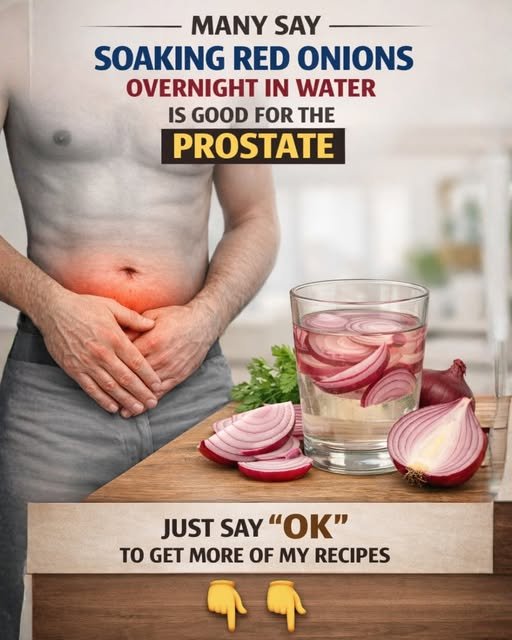
For centuries, simple kitchen ingredients have played a role in traditional wellness practices. One such ingredient is the humble onion. Often overlooked beyond its culinary use, onions—and even their outer skins—contain powerful plant compounds that may support overall health.
In recent years, interest has grown in how onions might contribute to prostate and bladder wellness, especially through their antioxidant and anti-inflammatory compounds. While onions are not a medical treatment, research suggests they contain nutrients that could help support urinary health as part of a balanced lifestyle.
In this article, we’ll explore the potential benefits of onions and onion skins, how they may relate to prostate health, and safe ways to incorporate them into everyday routines.
Why Prostate and Bladder Health Matters
The prostate and bladder are central to the male urinary system. As men age, these organs can become more sensitive to inflammation, hormonal changes, and oxidative stress.
Common concerns related to prostate and bladder health include:
-
Frequent urination
-
Weak urine flow
-
Nighttime bathroom trips
-
Bladder irritation
-
Benign prostatic hyperplasia (BPH)
Diet and lifestyle can play a role in maintaining healthy urinary function. Certain foods rich in antioxidants and plant compounds—like onions—may support the body’s natural defenses against inflammation.
The Hidden Nutritional Power of Onions
Onions belong to the Allium family, which also includes garlic, leeks, and chives. These vegetables contain unique sulfur compounds and flavonoids that may offer multiple health benefits.
Research suggests onions are rich in bioactive compounds with antioxidant and anti-inflammatory properties, which contribute to their potential health effects.
Among the most notable compounds found in onions are:
-
Quercetin – a powerful flavonoid antioxidant
-
Sulfur compounds – known for anti-inflammatory effects
-
Phenolic compounds – which help neutralize free radicals
-
Vitamin C and fiber
Some studies also indicate that regular consumption of allium vegetables may be associated with a lower risk of certain cancers, including prostate cancer, although more research is needed.
Why Onion Skins Are Even More Nutrient-Dense
Most people discard onion skins without realizing they contain some of the highest concentrations of beneficial compounds in the entire vegetable.
Nutrition experts note that the outer layers of onions contain large amounts of flavonoids such as quercetin and anthocyanins, which help combat oxidative stress in the body.
These outer layers may also contain:
-
More fiber than the inner onion layers
-
Higher levels of antioxidants
-
Small amounts of vitamins A, C, and E
-
Minerals such as calcium and zinc
Because oxidative stress is linked to inflammation and aging processes, antioxidants like quercetin may help support the body’s natural protective systems.
Potential Benefits for Prostate Health
Although onions are not a cure for prostate conditions, their nutritional profile suggests they may contribute to prostate wellness in several ways.
1. Anti-Inflammatory Effects
Inflammation is often associated with prostate discomfort. Flavonoids found in onions—especially quercetin—have shown potential to reduce inflammatory responses in certain studies.
Lower inflammation may help maintain healthier tissue function in the prostate.
2. Antioxidant Protection
Free radicals can damage cells over time. Antioxidants in onions help neutralize these unstable molecules, reducing oxidative stress.
Onion peel extracts in laboratory studies have demonstrated strong antioxidant and anti-inflammatory properties, highlighting their potential as a source of beneficial bioactive compounds.
For aging men, maintaining antioxidant intake may support overall cellular health.
3. Possible Support for Urinary Function
Dietary patterns rich in vegetables—including onions and garlic—have been linked with improved prostate health and may help reduce the risk of prostate enlargement symptoms in some populations.
While these findings are not conclusive, they suggest that including nutrient-dense foods can contribute to long-term urinary wellness.
Simple Ways to Use Onion Skins for Wellness
If you’re curious about using onion skins, there are a few gentle and practical methods.
1. Onion Skin Tea
A traditional home approach involves simmering onion skins to create a mild herbal infusion.
Basic preparation:
-
Rinse the outer skins from 1–2 onions thoroughly.
-
Add them to a pot with about 2 cups of water.
-
Simmer for 10–15 minutes.
-
Strain and drink warm.
The resulting tea has a light, earthy flavor.
2. Add Them to Broths
Another easy method is adding onion skins while cooking soups or broths.
This allows the antioxidants to infuse into the liquid without needing to consume the tough skins themselves.
3. Make Onion Skin Powder
Dried onion skins can be ground into a powder and used as a seasoning.
This powder may add:
-
subtle flavor
-
additional antioxidants
-
extra fiber
Important Safety Considerations
While onions are generally safe as part of a balanced diet, it’s important to understand their limitations.
Health experts emphasize that onion remedies are not scientifically proven treatments for prostatitis, urinary infections, or prostate diseases.
If you experience persistent urinary symptoms, consult a healthcare professional.
Additional tips:
-
Wash onion skins thoroughly to remove pesticide residues.
-
Avoid eating raw skins because they are hard to digest.
-
Start with small amounts if using them in tea or broths.
Lifestyle Tips for Better Prostate and Bladder Health
In addition to diet, several daily habits can support urinary wellness:
-
Stay well hydrated
-
Eat a plant-rich diet
-
Maintain a healthy weight
-
Limit processed foods and excessive alcohol
-
Exercise regularly
-
Get regular medical checkups
Combining these habits with nutrient-dense foods like onions may help support long-term health.
Final Thoughts
Onions and onion skins are simple kitchen ingredients packed with antioxidants and plant compounds. While they should never replace medical care, they may offer gentle nutritional support for overall wellness—including prostate and bladder health.
Instead of throwing away onion skins, consider using them in broths, teas, or powders. With their high levels of antioxidants and fiber, these overlooked layers may provide an extra boost to your daily diet.
Sometimes, the most powerful health allies are already sitting in your kitchen.