
Endometriosis: What Every Woman Should Know – Symptoms, Causes, and Gentle Ways to Care for Yourself 💛
Have you ever felt like your period pain was more than “just a bad period”? You’re not alone. Endometriosis affects millions of women worldwide, yet many continue to navigate it in silence. Greater awareness, earlier conversations, and compassionate support can make a real difference in how we experience and manage this condition.
In this gentle guide, you’ll learn what endometriosis really is, common signs to watch for, possible causes, and practical, nurturing ways to support your well-being.
What Is Endometriosis?
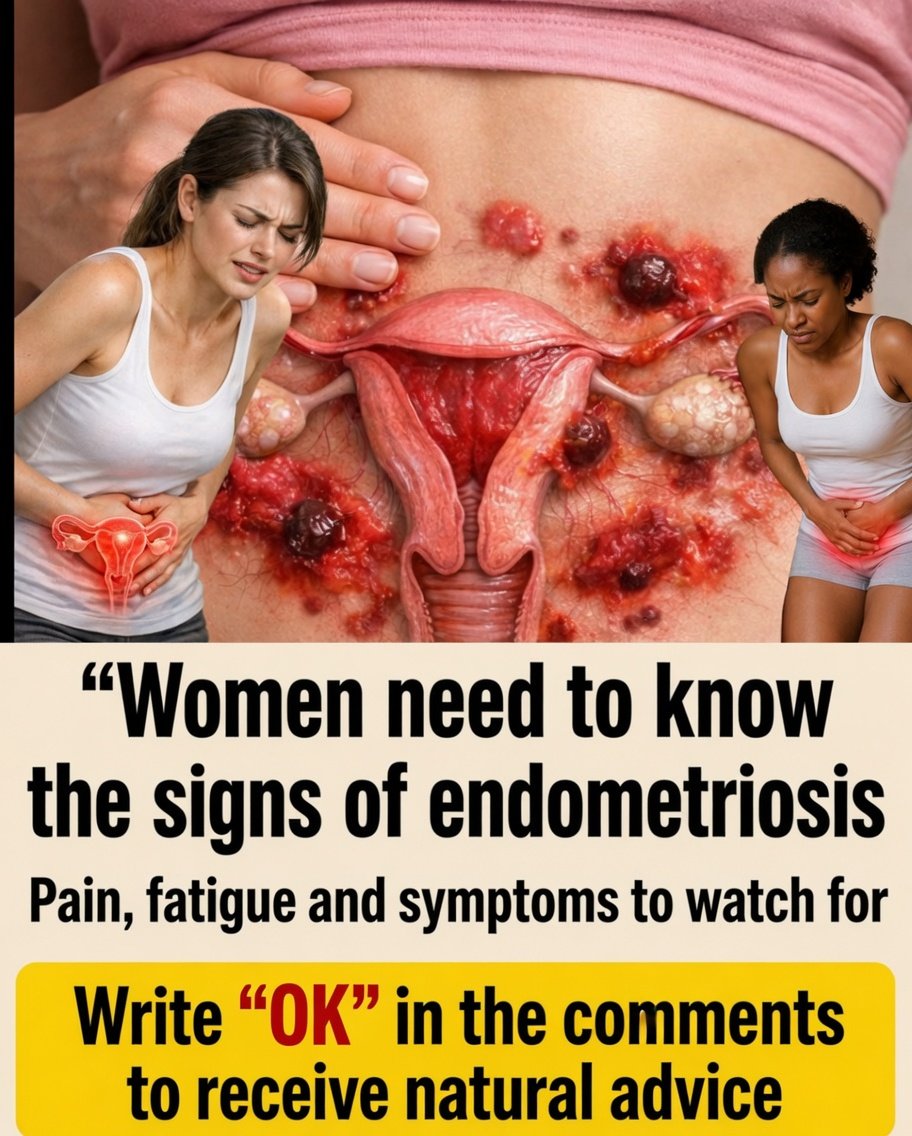
Endometriosis is a chronic condition where tissue similar to the lining inside the uterus (the endometrium) grows outside the uterus — often on the ovaries, fallopian tubes, pelvic lining, or even other areas in the body.
Every month, this misplaced tissue responds to your hormones: it thickens, breaks down, and bleeds. Unlike normal menstrual blood, it has nowhere to go. This can lead to inflammation, irritation, and scar tissue over time.
It’s a long-term condition, but understanding it is the first empowering step toward feeling more in control of your health.
Common Symptoms of Endometriosis
Symptoms vary from woman to woman, and they can range from mild to more intense. Many describe them as:
- Very strong menstrual cramps that start before your period and last for days
- Ongoing pelvic or lower back pain
- Pain during or after intimate moments
- Heavy periods or spotting between cycles
- Difficulty getting pregnant
- Digestive issues like bloating, constipation, or diarrhea around your cycle
- Deep fatigue, especially in the days leading up to your period
Because these symptoms can overlap with other common conditions, it often takes years for some women to receive a clear diagnosis. Listening to your body and speaking openly with your doctor is important.
What Causes Endometriosis?
Doctors are still learning more, but several factors appear to play a role:
- Retrograde menstruation: Menstrual blood flows backward into the pelvic cavity instead of leaving the body
- Genetics: Having a mother or sister with endometriosis can increase your risk
- immune system factors: The body may not clear the misplaced tissue as effectively as it should
- Hormonal influence: Estrogen can encourage the growth of endometrial-like tissue
Important reminder: Endometriosis is not caused by anything you did or lifestyle choices. It is a medical condition, and you are not to blame.
How Is Endometriosis Diagnosed?
Diagnosis usually involves:
- A detailed conversation about your symptoms and medical history
- A pelvic exam
- Imaging tests such as ultrasound or MRI
- In some cases, laparoscopic surgery to confirm and sometimes treat tissue
The earlier it’s recognized, the better you and your healthcare team can work together on a plan that feels right for you.
Endometriosis and Fertility
Endometriosis is one of the known contributors to fertility challenges. It can affect more than 30% of women with the condition. Inflammation and scar tissue may make conception more difficult for some.
The hopeful news is that many women with endometriosis go on to conceive — naturally or with medical support — and enjoy healthy pregnancies. Working with a knowledgeable specialist can open up supportive options.
Treatment and Gentle Management Options
There is currently no cure, but many women find meaningful relief through personalized care. Common approaches include:
- Pain relief options (over-the-counter or prescription)
- Hormonal therapies that help reduce or pause the menstrual cycle
- Surgery in more significant cases
- Lifestyle practices that support overall well-being: gentle movement, stress management, quality sleep, and nourishing food
Your treatment should always feel tailored to your life and needs. A compassionate doctor or specialist team makes a big difference.
How Nutrition Can Support You
While food isn’t a cure, what you eat can influence inflammation and hormone balance. Many women feel better when they focus on:
- Plenty of colorful vegetables and fiber-rich foods
- Healthy fats and anti-inflammatory choices
- Reducing highly processed items and excess red meat
- Staying well hydrated
Small, sustainable changes often feel more manageable and supportive than strict diets. Listen to how your body responds.
Living Well with Endometriosis
Endometriosis can touch many areas of life — work, relationships, energy levels, and emotional health. You deserve support in all of them.
Connecting with understanding healthcare providers, joining kind communities of women who “get it,” and leaning on loved ones can lighten the load. You are not alone, and your experience matters.
The more we talk openly and kindly about endometriosis, the faster awareness grows, the earlier support arrives, and the less isolation women feel. Every conversation helps reduce stigma and empowers more women to care for themselves with confidence.
💛 If this resonates with you or someone you love, feel free to share. Spreading gentle information is one of the most caring things we can do.
You deserve to feel heard, supported, and cared for on your health journey. Always consult a qualified healthcare professional for personalized advice.