
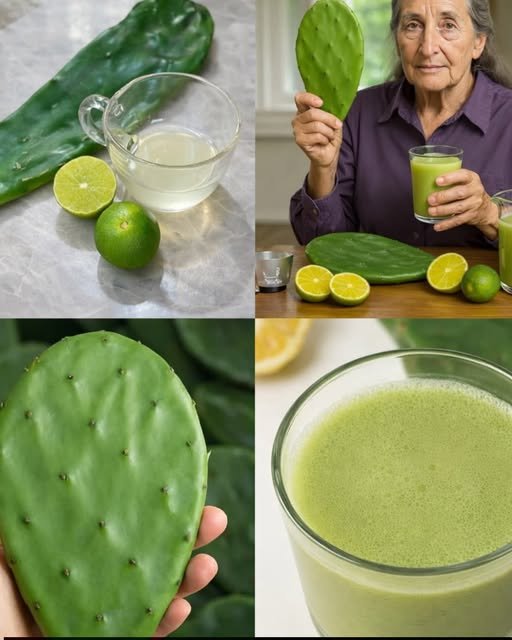
Here’s a clear, full, and honest guide to Nopal cactus pads (Prickly Pear cactus leaves) —covering benefits, nutrition, uses, preparation, safety, and myths.
Important note: Nopal is a nutritious food and traditional support, not a cure or medicine. It can support health when used alongside a balanced diet and medical care.
What Are Nopal Cactus Pads?
Nopal are the young, flat pads (called nopales) of the prickly pear cactus (Opuntia species).
They’re widely eaten in Mexico and Latin America as a vegetable.
Nutritional Profile (Per ~100 g, raw)
- Fiber: High (soluble & insoluble)
- Calories: Low
- Vitamins: A, C, K, B-complex
- Minerals: Calcium, magnesium, potassium
- Antioxidants: Polyphenols, flavonoids
- Plant compounds: Mucilage (gel-like fiber)
Potential Benefits (Evidence-Based Support)
Blood Sugar Support
- Soluble fiber slows glucose absorption
- May reduce post-meal sugar spikes
- Helpful for prediabetes and type 2 diabetes support
Supports control — does not cure diabetes
Digestive Health
- Mucilage soothes the gut lining
- Helps constipation & gut regularity
- Supports healthy gut bacteria
Cholesterol & Heart Support
- Fiber binds bile acids → helps lower LDL cholesterol
- Potassium supports healthy blood pressure
- Antioxidants reduce oxidative stress
Weight Management
- Low-calorie, high-fiber → promotes fullness
- Helps reduce overeating when included in meals
Anti-Inflammatory & Antioxidant Support
- Helps neutralize free radicals
- May reduce low-grade inflammation
Bone Health
- Good plant source of calcium & magnesium
- Supports bone density (especially helpful for plant-based diets)
How to Use Nopal (Food & Drink)
As a Vegetable (Most Common)
- Grilled, sautéed, boiled, or stir-fried
- Added to eggs, soups, tacos, salads
Nopal Juice (Traditional Use)
Ingredients:
- 1 cleaned nopal pad
- 1 cup water
- Optional: lemon juice
Method:
- Remove thorns carefully
- Chop and blend with water
- Strain if desired
- Drink ½–1 cup, 2–3 times per week
Nopal Tea
- Boil chopped pads for 10–15 minutes
- Drink warm
How to Clean Nopal Properly
- Wear gloves or use tongs
- Scrape off spines with a knife
- Rinse well
- Chop and cook to reduce sliminess
Safety & Precautions (Very Important)
Do not overconsume
Can cause bloating or diarrhea if taken in excess
Diabetics: Monitor blood sugar
Pregnant/breastfeeding: Consult a doctor
Avoid raw excess if you have bowel issues
Common Myths (Not True)
“Cures diabetes”
“Melts fat instantly”
“Replaces medication”
Supports metabolic and digestive health — Yes
Who May Benefit Most
- Prediabetes or insulin resistance
- Digestive issues (constipation)
- High cholesterol
- Weight management goals
- Plant-based or calcium-deficient diets
Best Way to Use
As a food, not a supplement
2–4 times per week
Combined with balanced meals