
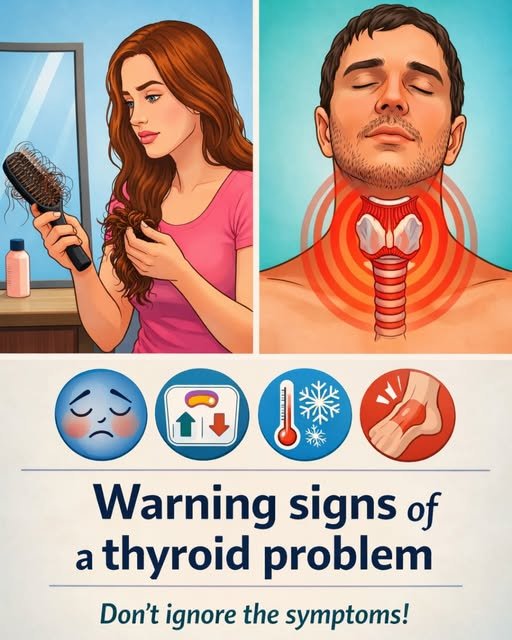
Many people go through days feeling unusually tired or noticing unexpected changes in their weight, wondering if it’s just stress or aging. These subtle shifts can build up, affecting energy levels, mood, and even how you handle everyday tasks like climbing stairs or focusing at work. The good news is that paying attention to these signals might point to your thyroid gland needing some extra care, and understanding them can empower you to discuss options with a healthcare professional. But there’s one lesser-known sign that surprises many—stick around to uncover it at the end.
What Is the Thyroid Gland and Why Does It Matter?
Your thyroid is a small, butterfly-shaped gland located at the base of your neck. It plays a key role in regulating your body’s metabolism, which influences how you use energy from food.
This gland produces hormones like thyroxine (T-4) and triiodothyronine (T-3) that affect nearly every part of your body, from your heart rate to your body temperature.
When the thyroid doesn’t produce the right amount of hormones, it can lead to imbalances. But that’s not all—research shows that thyroid issues affect millions worldwide, with women being more prone than men.
Suffice it to say, keeping an eye on how your body feels can make a big difference.
Understanding Hypothyroidism: When Your Thyroid Slows Down
Hypothyroidism occurs when the thyroid doesn’t make enough hormones, slowing down your metabolism. This can happen gradually, so signs might sneak up on you.
Common causes include autoimmune conditions like Hashimoto’s disease, where the immune system mistakenly attacks the thyroid.
Other factors might involve certain medications or iodine levels in your diet.
Key Signs to Watch For in Hypothyroidism
Here are some common signals your body might send:
- Fatigue that lingers: You might feel exhausted even after a full night’s sleep, as if your energy tank is always low.
- Unexplained weight gain: Despite no changes in eating or activity, the scale might creep up due to a slower metabolism.
- Sensitivity to cold: Feeling chilly when others are comfortable could be a clue.
- Dry skin and hair: Your skin might become rough, and hair could thin or become brittle.
- Constipation: Digestive slowdowns are frequent, making bowel movements less regular.
- Muscle aches and weakness: Everyday activities might cause soreness or stiffness.
- Mood changes: Feelings of low mood or forgetfulness can appear.
- Changes in menstrual cycles: Periods might become heavier or irregular.
- Slowed heart rate: Your pulse might feel slower than usual.
Studies indicate these signs develop over time, often mistaken for other issues.
But here’s the thing: recognizing them early can prompt a simple conversation with your doctor.
How Hypothyroidism Affects Different Age Groups
In children, signs might include slower growth or delayed development.
For older adults, it could show as memory lapses or joint pain.
The reality is, no one is immune, but awareness helps.
Recognizing Hyperthyroidism: When Your Thyroid Speeds Up
On the flip side, hyperthyroidism happens when the thyroid produces too much hormone, revving up your metabolism like an engine in overdrive.
This can stem from conditions like Graves’ disease, an autoimmune disorder that stimulates excess hormone production.
Nodules on the thyroid or inflammation might also play a role.
Common Signs of Hyperthyroidism
Keep an eye out for these indicators:
- Unintended weight loss: You might drop pounds even with increased appetite.
- Rapid or irregular heartbeat: Feeling your heart pounding or skipping beats.
- Increased sensitivity to heat: Sweating more or feeling overly warm.
- Nervousness or irritability: Anxiety levels might spike without clear reason.
- Tremors: Slight shaking in hands or fingers.
- Sleep disturbances: Trouble falling or staying asleep.
- Frequent bowel movements: Digestion speeds up.
- Changes in skin and hair: Skin might feel warm and moist, hair could thin.
- Enlarged thyroid (goiter): Noticeable swelling in the neck.
According to experts, these can vary, especially in older adults where they might be subtler.
And get this: some people experience eye changes, like bulging, in certain cases.
Comparing Hypothyroidism and Hyperthyroidism
To make it clearer, here’s a simple table outlining key differences:
| Aspect | Hypothyroidism (Underactive) | Hyperthyroidism (Overactive) |
|---|---|---|
| Energy Levels | Fatigue, sluggishness | Restlessness, insomnia |
| Weight Changes | Gain | Loss |
| Temperature Sensitivity | Cold intolerance | Heat intolerance |
| Heart Rate | Slowed | Rapid or irregular |
| Mood | Low mood, depression | Anxiety, irritability |
| Digestion | Constipation | Frequent bowel movements |
This comparison highlights how opposite the effects can be.
But wait, there’s more—both can cause a goiter, so neck checks matter.
When to Pay Attention and Seek Professional Advice
If you’re noticing several of these signs persisting for weeks, it might be time to note them down.
Track how often they occur and any patterns, like worsening after meals.
Research suggests routine check-ups can help, especially if you have a family history.
The key is not to ignore ongoing changes—better to discuss them.
Lifestyle Habits That May Support Overall Thyroid Wellness
While not a substitute for professional guidance, certain habits can complement your routine.
First, consider your diet: Include iodine-rich foods like seafood or iodized salt in moderation, as iodine is essential for hormone production.
Step one: Aim for balanced meals with selenium sources, such as Brazil nuts.
Step two: Stay active with gentle exercises like walking to support metabolism.
Step three: Manage stress through practices like deep breathing or yoga, as stress can influence hormone balance.
Here’s a quick list of daily tips:
- Drink plenty of water to stay hydrated.
- Get consistent sleep, aiming for 7-9 hours.
- Avoid excessive caffeine if you notice jitters.
- Incorporate whole grains and veggies for nutrient support.
The interesting part? Small changes can add up over time.
Debunking Common Myths About Thyroid Function
Myth: Thyroid issues only affect women. Fact: While more common in women, men can experience them too.
Myth: You can diagnose yourself online. Fact: Signs overlap with other conditions, so professional tests are crucial.
Shedding light on these helps avoid confusion.
Wrapping It Up: Listening to Your Body’s Signals
In summary, your body often communicates through subtle signs like fatigue, weight shifts, or temperature sensitivities when thyroid function might be off balance.
By staying aware and adopting supportive habits, you can take proactive steps.
Remember that surprising sign I mentioned? It’s the hoarse voice or changes in vocal quality, often overlooked but linked to thyroid swelling.
Now, let’s address some common questions.
Frequently Asked Questions
What foods should I consider for thyroid support?
Foods rich in iodine, like fish and dairy, along with selenium from nuts, can be part of a balanced diet. Always check with a professional for personalized advice.
How common are thyroid issues?
They affect about 1 in 20 people in the U.S., with hypothyroidism being more prevalent.
Can stress impact thyroid function?
Yes, chronic stress might influence hormone levels, but managing it through relaxation techniques can help.
This information is for educational purposes only and not intended as medical advice. Always consult a healthcare provider for any health concerns or before making changes to your routine.