

Cayenne pepper (Capsicum annuum) is widely known as a fiery kitchen spice, but its true power extends far beyond cooking. For generations, traditional wellness practices have used cayenne externally to relieve muscle aches, joint stiffness, and nerve-related discomfort. Today, modern science supports what traditional healers observed long ago: the natural compound inside cayenne can directly influence how the body processes pain.
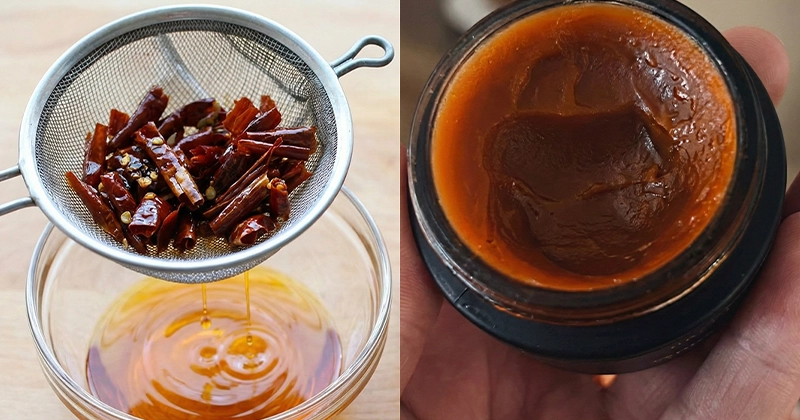
This article explains why cayenne works for topical pain relief, how it affects the nervous system, and how you can safely prepare simple homemade remedies using cayenne powder.
Why Cayenne Works for Pain Relief
1. The Role of Capsaicin
The key active compound in cayenne is capsaicin. Capsaicin is responsible for the pepper’s heat, but in the body it plays a much deeper role.
When applied to the skin, capsaicin interacts with specialized nerve receptors known as TRPV1 receptors. These receptors normally respond to heat and physical irritation. Capsaicin activates them intensely at first, creating a warming or burning sensation. However, with continued exposure, something interesting happens: the nerve endings become less sensitive.
Capsaicin reduces the level of Substance P, a neurotransmitter that sends pain signals to the brain. When Substance P is depleted in a specific area, fewer pain messages are transmitted. As a result, discomfort gradually decreases.
2. Desensitization of Pain Nerves
Cayenne works through a two-phase process:
- Initial stimulation – You feel warmth, tingling, or mild burning.
- Nerve desensitization – Pain receptors become less responsive over time.
This desensitization effect is why cayenne is especially helpful for chronic or recurring discomfort rather than sudden acute injuries.
3. Improved Circulation
Another reason cayenne helps with discomfort is its ability to increase local blood flow. The warming sensation is partly caused by enhanced circulation in the treated area.
Improved circulation may:
- Deliver oxygen and nutrients more efficiently
- Support muscle recovery
- Reduce stiffness
- Promote faster tissue repair
This is particularly beneficial for tight muscles and overworked joints.
Types of Pain Cayenne May Support
Topical cayenne has traditionally been used for:
- Muscle soreness after exercise
- Joint stiffness
- Back tension
- Shoulder discomfort
- Knee pain
- Neck tightness
- Mild arthritis-related stiffness
- Nerve-related discomfort
- Cold-induced joint pain
It is not a cure, but it may reduce discomfort when applied consistently.
How to Use Cayenne for Topical Pain Relief (Homemade Methods)
Cayenne is powerful, so proper preparation and dilution are essential. Always begin with a small skin patch test.
1. Cayenne-Infused Oil
This is one of the gentlest and most practical methods.
Ingredients
- 2 tablespoons cayenne powder
- 1 cup olive oil or coconut oil
- Glass jar with lid
Instructions
- Place cayenne powder into a clean glass jar.
- Pour oil over the powder and stir thoroughly.
- Seal the jar and let it sit in a cool, dark place for 1–2 weeks.
- Shake gently once per day.
- Strain through fine cloth if desired.
How to Use
- Apply a small amount to the affected area.
- Massage gently.
- Use once or twice daily.
- Wash hands immediately after application.
This method provides gradual relief and is suitable for ongoing muscle or joint discomfort.
2. Quick Warmed Cayenne Oil
If you prefer a faster preparation:
Ingredients
- 1 tablespoon cayenne powder
- ½ cup coconut oil
Instructions
- Warm the oil on very low heat (do not boil).
- Stir in cayenne powder.
- Heat gently for 5–10 minutes.
- Allow to cool.
- Strain if desired.
Apply sparingly. The effect may feel stronger than cold infusion.
3. Cayenne Salve
A thicker option for targeted areas.
Ingredients
- ½ cup infused cayenne oil
- 1 tablespoon beeswax
Melt beeswax into warm infused oil and stir until combined. Pour into a small container and let it solidify.
Apply a pea-sized amount to the sore area.
4. Cayenne Compress
For those sensitive to oils:
Instructions
- Mix ½–1 teaspoon cayenne powder into 1 cup warm water.
- Soak a cloth in the mixture.
- Apply to the affected area for 10–15 minutes.
- Rinse the skin afterward.
This method produces milder heat.
What to Expect After Application
- Warm or tingling sensation
- Mild redness
- Temporary skin sensitivity
These effects are normal. The warmth usually fades within 20–40 minutes.
Safety Guidelines
Cayenne is potent and must be used carefully.
- Never apply to broken or irritated skin
- Avoid contact with eyes and sensitive areas
- Wash hands thoroughly after use
- Do not apply before hot showers
- Start with very small amounts
- Discontinue use if severe irritation occurs
People with very sensitive skin should dilute heavily and use minimal quantities.
How Long Does It Take to Notice Results?
Some people feel mild relief after the first use. However, consistent application over several days often produces better results, especially for chronic discomfort.
Capsaicin works best when used regularly rather than occasionally.
Cayenne pepper is more than a spice — it is a plant with powerful topical properties. Through its active compound capsaicin, cayenne interacts directly with pain receptors, reduces pain-signaling chemicals, increases circulation, and gradually desensitizes nerve endings.
When prepared carefully and used responsibly, homemade cayenne oil, salves, and compresses can provide natural support for muscle and joint discomfort.
As with any herbal remedy, consult a qualified healthcare professional if you have chronic conditions, nerve disorders, or underlying medical concerns before beginning regular use.
Used wisely, cayenne’s heat can become a practical and effective ally in natural pain relief.