
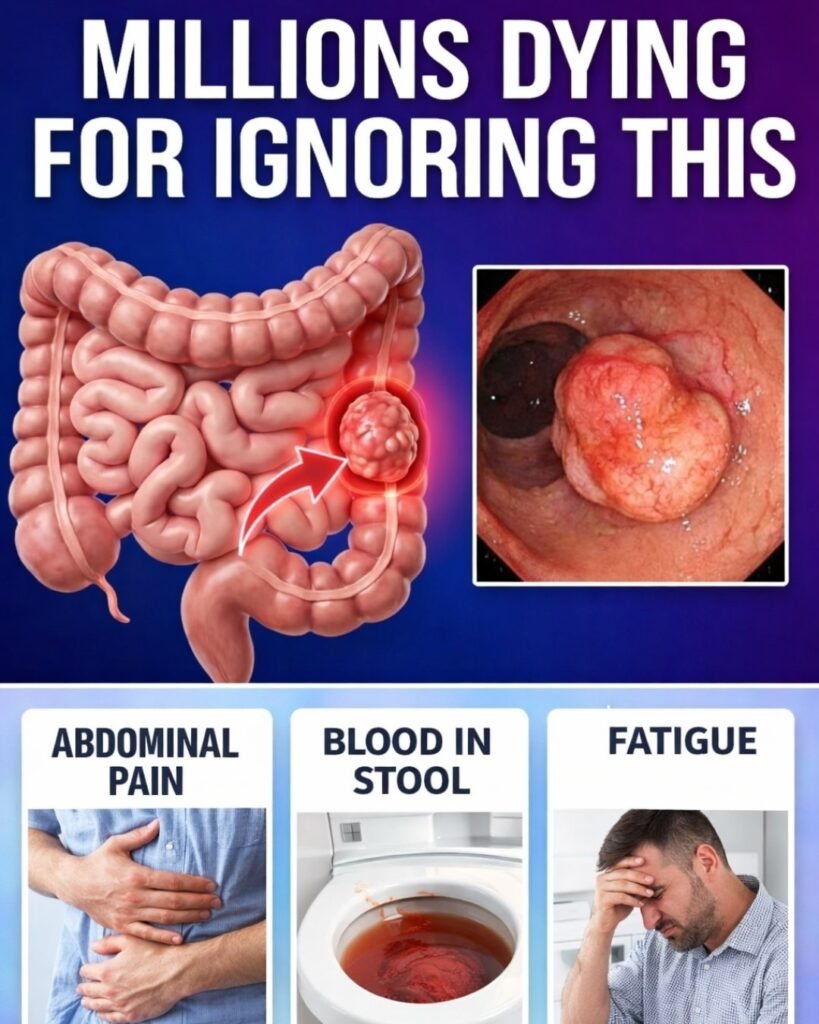
Colon cancer continues to claim thousands of lives each year, often because its early warning signs go unnoticed until the disease has advanced. What starts as minor digestive discomfort or unexplained tiredness can actually signal something far more serious lurking beneath the surface. People frequently dismiss these subtle clues as part of everyday life or aging, which only allows the condition to progress quietly. Yet understanding these hidden indicators could make all the difference in catching it early and taking control of your health journey – and the most eye-opening part comes when you realize some signs aren’t even in your gut.
Why Colon Cancer Often Goes Unnoticed
Colon cancer develops slowly in the large intestine, and in its earliest stages it rarely causes dramatic pain or obvious problems. Many people experience mild symptoms that mimic common issues like stress, diet changes, or irritable bowel syndrome. This silent nature is exactly why regular awareness matters so much. Research from the American Cancer Society highlights that early detection through knowledge and screening leads to much better outcomes.
But here’s the thing – these signs can appear in everyday ways that feel totally unrelated to your digestive system. The surprising part is how some of them show up on your skin or in your overall energy levels.
The 10 Silent Symptoms You Need to Watch For
Let’s break down the most commonly overlooked clues. Each one on its own might seem harmless, yet together they deserve attention.
1. Persistent Changes in Bowel Habits
A shift that lasts more than a few days – like going from regular movements to diarrhea, constipation, or narrower stools – can be an early red flag. The Mayo Clinic notes this happens because a growth in the colon alters how waste passes through. Many people blame it on travel or food and move on.
2. Blood in the Stool or Rectal Bleeding
You might notice bright red streaks on toilet paper or stool that looks darker than usual. According to the Centers for Disease Control and Prevention, this occurs when polyps or tumors bleed slowly. It often gets dismissed as hemorrhoids, yet it warrants a check.
3. Ongoing Abdominal Discomfort
Cramping, gas, or a dull ache in the belly that doesn’t go away can signal trouble. The American Cancer Society explains that a tumor can cause partial blockages or inflammation. People frequently attribute it to indigestion and ignore it for weeks.
4. Feeling That Your Bowel Doesn’t Empty Completely
That lingering sensation after using the bathroom is more than annoying – it can point to something obstructing normal flow. Studies show this symptom appears in many early cases but gets brushed off as normal aging.
5. Narrower-Than-Normal Stools
If your stools suddenly look pencil-thin and stay that way, it may indicate a narrowing in the colon. The Mayo Clinic lists this as a classic yet easy-to-miss sign that deserves discussion with a doctor.
6. Unexplained Weight Loss
Dropping pounds without changing your diet or exercise routine is never normal. The CDC connects this to the body’s increased energy use fighting abnormal cells or reduced appetite from discomfort.
7. Chronic Fatigue or Weakness
Feeling unusually tired even after good sleep often ties to slow blood loss inside the colon. The American Cancer Society points out that many people live with this for months before connecting the dots.
8. Iron-Deficiency Anemia
Low iron levels show up on blood tests and cause pale skin, shortness of breath, and more tiredness. This develops gradually from hidden bleeding and is one of the first clues doctors spot in routine checkups.
9. Persistent Bloating or Excess Gas
Ongoing belly swelling or trapped gas that doesn’t improve with diet tweaks can relate to changes inside the intestine. While common with many conditions, lasting bloating paired with other signs deserves attention.
10. Unusual Skin Changes
In rare cases, colon cancer links to skin clues like darkening, velvety patches in body folds such as the armpits or neck (known as acanthosis nigricans) or sudden new skin growths or moles. Medical literature, including reports from Mayo Clinic, notes these paraneoplastic signs can appear before digestive symptoms. The image many people see online – showing hand lumps, scattered moles, or darkened armpits – illustrates exactly these rare but important connections.
But wait, that’s not the full picture. These symptoms rarely appear alone, and their combination raises more concern.
Common Risk Factors That Raise Awareness
Knowing your personal background helps put symptoms in context. Here are key factors experts highlight:
- Age over 45 (though cases are rising in younger adults)
- Family history of colon cancer or polyps
- Diets high in red or processed meats and low in fiber
- Smoking or heavy alcohol use
- Obesity or lack of regular physical activity
- Inflammatory bowel conditions like ulcerative colitis
The American Cancer Society recommends starting screening conversations at age 45 for average-risk adults.
Simple Actionable Steps You Can Take Today
You don’t need to wait for symptoms to act. These practical habits support digestive health and encourage early awareness:
- Schedule a screening colonoscopy or at-home stool test starting at age 45 – or earlier if family history exists.
- Fill half your plate with fiber-rich vegetables, fruits, and whole grains every day to keep things moving smoothly.
- Move your body for at least 30 minutes most days – even brisk walking helps reduce risk.
- Cut back on processed meats and limit alcohol to moderate levels.
- Pay attention to your body and note any changes in a journal for two weeks before seeing a doctor.
These small changes add up and give you control while you stay vigilant.
When Should You Reach Out to a Doctor?
If any of these symptoms last more than a week or two, especially if multiple appear together, book an appointment. Your doctor may suggest blood work, imaging, or a colonoscopy. Early conversations lead to peace of mind or timely next steps – never feel embarrassed to mention digestive or skin concerns.
Wrapping It Up: Knowledge Is Your Best Defense
Colon cancer doesn’t have to stay silent if you know what to watch for. The ten symptoms above – from bowel changes to rare skin shifts – give you clear signals to act on. Combine this awareness with healthy habits and regular screenings, and you take a powerful step toward protecting your long-term wellness.
The image you may have seen online, highlighting a colon growth alongside everyday skin and hand changes, serves as a visual reminder that clues can hide in plain sight. Stay curious about your body, and remember that small observations today can lead to big health wins tomorrow.
Frequently Asked Questions
How common are these silent symptoms in early-stage colon cancer?
Many people with early colon cancer report no symptoms at all, but when clues appear, changes in bowel habits and blood in stool rank among the most frequent according to the CDC.
Can lifestyle choices really lower my risk even if symptoms show up?
Yes – adopting fiber-rich eating, regular movement, and avoiding tobacco can support overall colon health and work alongside medical care.
What screening options exist besides colonoscopy?
At-home stool tests that check for hidden blood or DNA changes offer convenient first steps for many people, with follow-up colonoscopy if needed.
This information is for educational purposes only and does not replace professional medical advice. Always consult your healthcare provider for concerns about your health or any symptoms you experience.