
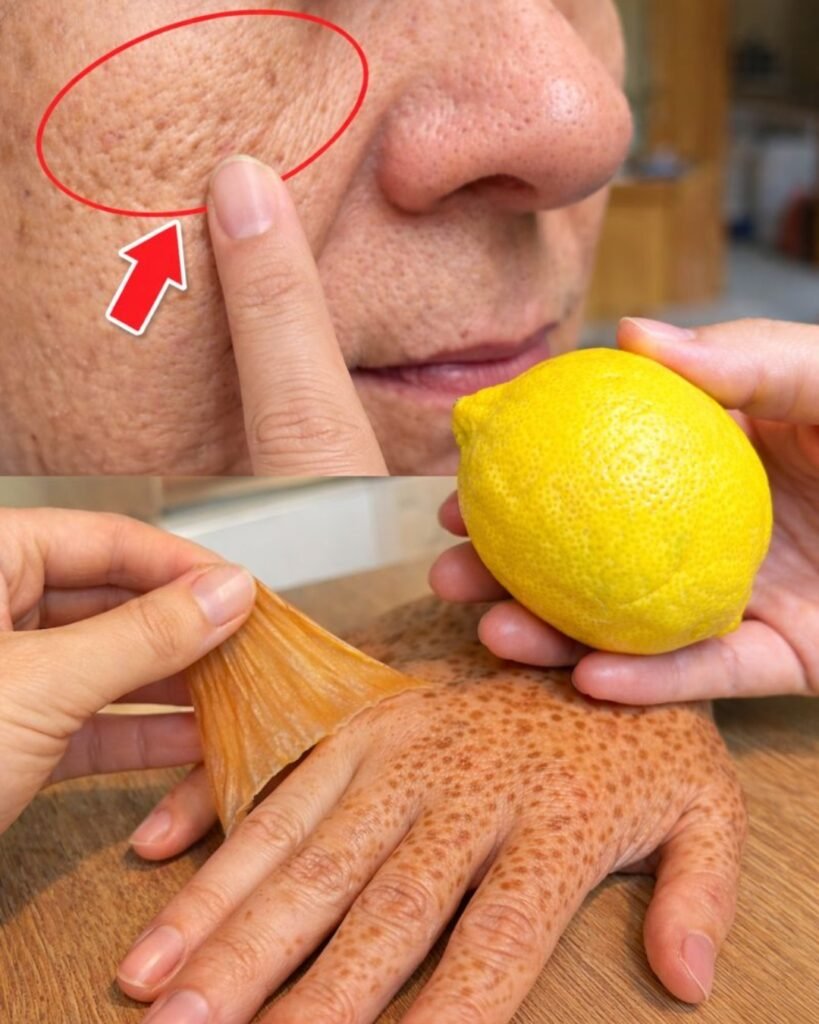
Those stubborn dark spots on your hands, face, or arms—often called age spots, liver spots, or sun spots—can make you feel self-conscious about your skin as the years go by. They appear from years of sun exposure, natural aging, and sometimes hormonal shifts, creating uneven tone that seems to shout “age” louder than you’d like. Many people search for gentle, at-home options to help fade their appearance without harsh treatments, and one timeless kitchen staple keeps coming up: fresh lemon juice.
The good news? Lemon juice contains natural compounds like vitamin C and citric acid that may support brighter-looking skin over time. While results vary and it’s not a miracle cure, when used thoughtfully, it offers an affordable way to encourage a more even complexion. But there’s a crucial “but” we’ll cover—plus a surprising combination that many find boosts results even more (keep reading to discover it).

Why Lemon Juice May Help Fade the Look of Age Spots
Lemon juice has earned its spot in natural skincare discussions thanks to two key players: vitamin C and citric acid.
Vitamin C acts as a potent antioxidant. Research shows it can help inhibit excess melanin production (the pigment behind dark spots) and support skin’s natural renewal process. Studies on vitamin C’s role in skin health, including those published in journals like Nutrients, highlight its ability to brighten hyperpigmentation when applied topically in appropriate forms.
Citric acid, a mild alpha-hydroxy acid (AHA), provides gentle exfoliation. It helps slough off dull surface cells, potentially revealing fresher skin underneath and gradually reducing the visibility of pigmentation.
Together, these elements may contribute to a lighter, more uniform tone with consistent use. Many people report noticing subtle improvements after several weeks, especially when paired with sun protection.
But here’s the reality check: While anecdotal reports and some dermatological sources (like Healthline and Verywell Health) mention lemon’s potential for lightening spots, strong clinical evidence specifically for direct lemon juice on age spots remains limited. It’s more about gentle support than dramatic erasure—and safety comes first.

How to Use Lemon Juice Safely for Age Spots
Ready to try it? Start slow and prioritize skin safety. Always do a patch test on your inner arm for 24 hours to check for irritation.
Method 1: Diluted Lemon Juice Application (Beginner-Friendly)
This is the simplest starting point, especially if your skin leans sensitive.
- Squeeze fresh juice from half a lemon into a small bowl.
- Mix with an equal amount of water (or rose water for extra soothing).
- Dip a clean cotton pad and gently dab onto the spots only—not your whole face.
- Leave on for 8–10 minutes (start shorter if unsure).
- Rinse thoroughly with cool water and pat dry.
- Follow immediately with a moisturizer and broad-spectrum SPF 30+ sunscreen.
Use this routine in the evening, 3–4 times per week. Consistency matters—many see gradual fading after 4–6 weeks.
Pro Tip: Never apply undiluted lemon juice if your skin is dry or reactive; it can sting and disrupt your skin barrier.

Method 2: Lemon and Honey Brightening Mask
Honey adds natural hydration and soothing properties, balancing lemon’s acidity while potentially enhancing the brightening effect.
- Mix 1 tablespoon fresh lemon juice with 1 tablespoon raw honey.
- Apply a thin layer to the affected areas.
- Relax for 15 minutes.
- Rinse with lukewarm water and moisturize.
The combo feels luxurious and may help calm any mild tingling. Try 2–3 times weekly.
Method 3: Lemon and Aloe Vera Soothing Blend
Aloe vera brings anti-inflammatory benefits and helps repair sun-exposed skin.
- Combine 1 tablespoon lemon juice with 1–2 tablespoons pure aloe vera gel.
- Spread over spots and leave for 15–20 minutes.
- Rinse gently and apply sunscreen if heading outdoors.
This version suits sun-damaged or slightly inflamed skin best.
But that’s not all… For even better hydration and support, consider layering a natural oil afterward (more on complementary remedies below).

Essential Safety Tips You Can’t Skip
Lemon juice can make skin more photosensitive due to compounds like psoralens, raising the risk of sunburn or irritation if you skip protection.
- Always apply broad-spectrum sunscreen (SPF 30+) every morning—and reapply if outdoors—especially after using lemon treatments.
- Avoid broken skin, open cuts, or freshly shaved areas.
- Stop immediately if you notice redness, burning, or stinging beyond mild tingling.
- Limit sun exposure for several hours after application.
- If you have very sensitive skin, eczema, or rosacea, consult a dermatologist before trying.
Patience is key—natural approaches often take 4–8 weeks of regular use to show noticeable changes. Track progress with photos in consistent lighting.
Other Natural Allies to Enhance Results
Lemon works well solo, but combining it thoughtfully can amplify gentle fading.
Here are a few popular complements:
- Apple cider vinegar — Dilute 1:1 with water for mild exfoliation (use sparingly, 2x/week).
- Turmeric — A pinch mixed into masks for anti-inflammatory brightening (watch for temporary staining).
- Coconut oil or shea butter — Lock in moisture post-treatment to support skin barrier health.
- Green tea extract — Brew, cool, and use as a toner for added antioxidants.
A simple routine might look like: lemon mask 3x/week + daily sunscreen + hydrating moisturizer.
Studies suggest antioxidants from various plants (including vitamin C sources) support overall skin brightness when used consistently.
Final Thoughts: A Natural Step Toward Brighter Skin
Fading the appearance of age spots with lemon juice offers an easy, budget-friendly option rooted in everyday ingredients. Its vitamin C and gentle exfoliating properties can encourage a more even, radiant complexion over time—especially when you stay consistent and protect your skin from the sun.
Pair it with healthy habits like wearing hats, seeking shade, and staying hydrated, and you’ll give your skin the best shot at looking its brightest.
Have you tried lemon for spots? Share your experience in the comments—I’d love to hear what worked for you!
FAQ
How long does it take for lemon juice to fade age spots?
Most people notice subtle lightening after 4–8 weeks of consistent, gentle use. Results depend on spot depth, skin type, and sun protection habits.
Is lemon juice safe for all skin types?
Not always. It’s best for normal to oily skin; sensitive or dry types should dilute heavily or skip it. Always patch test and stop if irritation occurs.
Can I use lemon juice during the day?
Avoid daytime application due to increased sun sensitivity. Evening use followed by morning sunscreen is safest.
Disclaimer: The information in this article is for educational purposes only and not intended as medical advice. Natural remedies like lemon juice may help fade the appearance of age spots for some, but results aren’t guaranteed. If you have skin concerns, persistent irritation, or underlying conditions, consult a qualified dermatologist or healthcare professional before trying new treatments. This is especially important if you have sensitive skin or a history of reactions.