
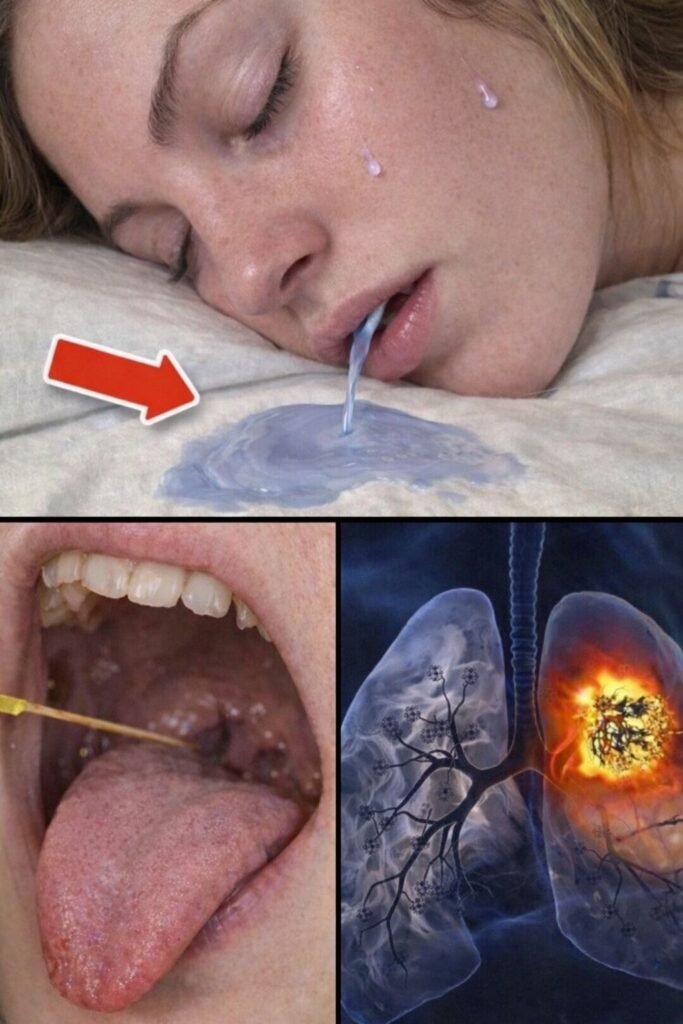
Waking up to a wet pillow from drooling during sleep can feel embarrassing and uncomfortable, leaving you wondering if something’s wrong with your body. Many people experience this occasionally, but when it happens night after night, it disrupts rest and raises questions about underlying issues like mouth breathing or excess saliva buildup. The good news is that in most cases, simple factors like sleep position or temporary congestion play a role, and small adjustments can make a difference.
But here’s the part most people overlook: sometimes drooling signals your body is trying to tell you something more important—stay with me to uncover the key warning signs that deserve attention and practical steps you can try tonight.

Understanding Drooling During Sleep: Why It Happens
Drooling, also known as sialorrhea, occurs when saliva escapes the mouth while you’re asleep. Research from sources like the Cleveland Clinic shows that saliva production continues around the clock, but during sleep, swallowing reflexes slow down significantly. If your mouth opens slightly or gravity pulls saliva toward the lips, it can leak out onto your pillow.
This is completely normal for many adults, especially side or stomach sleepers. However, when drooling becomes excessive or persistent, it often ties back to challenges with keeping saliva contained, increased production, or reduced swallowing efficiency.
Studies indicate that mouth breathing during sleep is one of the most frequent contributors, forcing saliva to pool and escape rather than being swallowed naturally.

Common Respiratory Issues That Lead to Nighttime Drooling
Breathing problems top the list for many people dealing with drooling at night.
- Nasal Congestion or Sinus Issues: When your nose is blocked from colds, allergies, or sinus inflammation, you naturally switch to mouth breathing. This opens the mouth and allows saliva to flow out more easily. Infections like sinusitis or seasonal allergies often make this worse, as noted in sleep health resources.
- Sleep Apnea and Related Breathing Pauses: Obstructive sleep apnea causes repeated airway blockages, leading to mouth breathing and reduced swallowing reflexes. People with this condition frequently report drooling alongside loud snoring or daytime fatigue. The Sleep Foundation highlights how these breathing interruptions contribute to excess saliva escaping during sleep.
But that’s not the full picture—digestive factors can play a surprising role too…

Digestive Problems and Their Link to Excess Saliva
Your gut health influences saliva in ways you might not expect.
- Gastroesophageal Reflux Disease (GERD): Acid reflux irritates the throat and esophagus, triggering the body to produce more saliva as a protective response. This extra saliva can build up overnight, especially if symptoms flare when lying down.
- Other Digestive Imbalances: General digestive discomfort or eating heavy/spicy meals late at night can stimulate salivary glands, leading to increased production while you rest.
Neurological and Muscle-Related Factors
In some cases, drooling points to challenges with muscle control or nerve function.
- Swallowing Difficulties (Dysphagia): Conditions that affect swallowing coordination make it harder to clear saliva, causing it to pool and spill out.
- Neurological Conditions: Disorders such as Parkinson’s disease, effects from stroke, or multiple sclerosis can impact facial muscles and swallowing reflexes. In Parkinson’s, for example, reduced automatic swallowing leads to saliva accumulation rather than excess production.
These situations often come with other noticeable changes, making it crucial to pay attention to patterns.
Oral Health, Medications, and Lifestyle Triggers
Don’t overlook everyday factors that can tip the balance.
- Mouth and Throat Irritation: Issues like sore throat, mouth ulcers, or dental problems increase saliva as the body tries to soothe the area.
- Medication Side Effects: Certain medications, including some antipsychotics or those for other conditions, list increased salivation as a possible effect—check with your pharmacist if this applies.
- Fatigue, Stress, or Evening Habits: Exhaustion disrupts normal nervous system balance, while eating spicy foods or large meals close to bedtime can ramp up salivary gland activity.
Actionable Tips to Help Reduce Nighttime Drooling
You don’t have to wait for answers—here are practical steps many people find helpful right away:
- Adjust Your Sleep Position: Try sleeping on your back with a supportive pillow to encourage nasal breathing and keep saliva pooled in the mouth. Side sleeping can worsen gravity’s pull if your mouth opens.
- Address Nasal Congestion: Use a saline nasal spray before bed, elevate your head slightly with an extra pillow, or manage allergies with over-the-counter options if appropriate for you.
- Review Evening Habits: Avoid heavy, spicy, or acidic foods at least 3 hours before sleep to reduce reflux triggers and excess saliva stimulation.
- Stay Hydrated but Time It Right: Drink enough water during the day, but taper off in the evening to avoid overloading your system at night.
- Practice Good Oral Hygiene: Brush and floss regularly to prevent irritation that boosts saliva production.
These changes often bring noticeable improvement for common causes.
When Should You See a Healthcare Professional?
While occasional drooling is harmless, persistent or worsening symptoms deserve a check-up.
Seek medical advice if drooling accompanies:
- Loud snoring or pauses in breathing (possible sleep apnea signs)
- Frequent heartburn or digestive discomfort
- Difficulty swallowing, speaking changes, or facial weakness
- Sudden onset with neurological symptoms like weakness or coordination issues
A doctor can help identify the root cause through evaluation and guide appropriate next steps—early attention often makes management easier.
Conclusion: Take Control of Your Sleep Comfort
Nighttime drooling is more common than you might think, often stemming from simple issues like sleep position, congestion, or lifestyle habits. By understanding potential triggers—from breathing challenges to digestive influences—you can make informed tweaks to improve your rest. If symptoms persist or come with other concerns, consulting a healthcare provider ensures peace of mind.
Frequently Asked Questions
Is drooling during sleep always a sign of a serious problem?
No, it’s frequently due to normal factors like sleep position or temporary congestion. Persistent cases may link to treatable issues, but most aren’t serious on their own.
Can changing my pillow help stop drooling at night?
Yes—firmer pillows that support proper alignment encourage better mouth closure and nasal breathing, reducing saliva escape for many people.
Does stress contribute to drooling while sleeping?
Stress and fatigue can disrupt normal swallowing patterns and nervous system balance, potentially increasing saliva flow or mouth opening during sleep.
Disclaimer: This article is for informational purposes only and not intended as medical advice. Always consult a qualified healthcare professional for personalized evaluation and guidance regarding your symptoms or health concerns.