
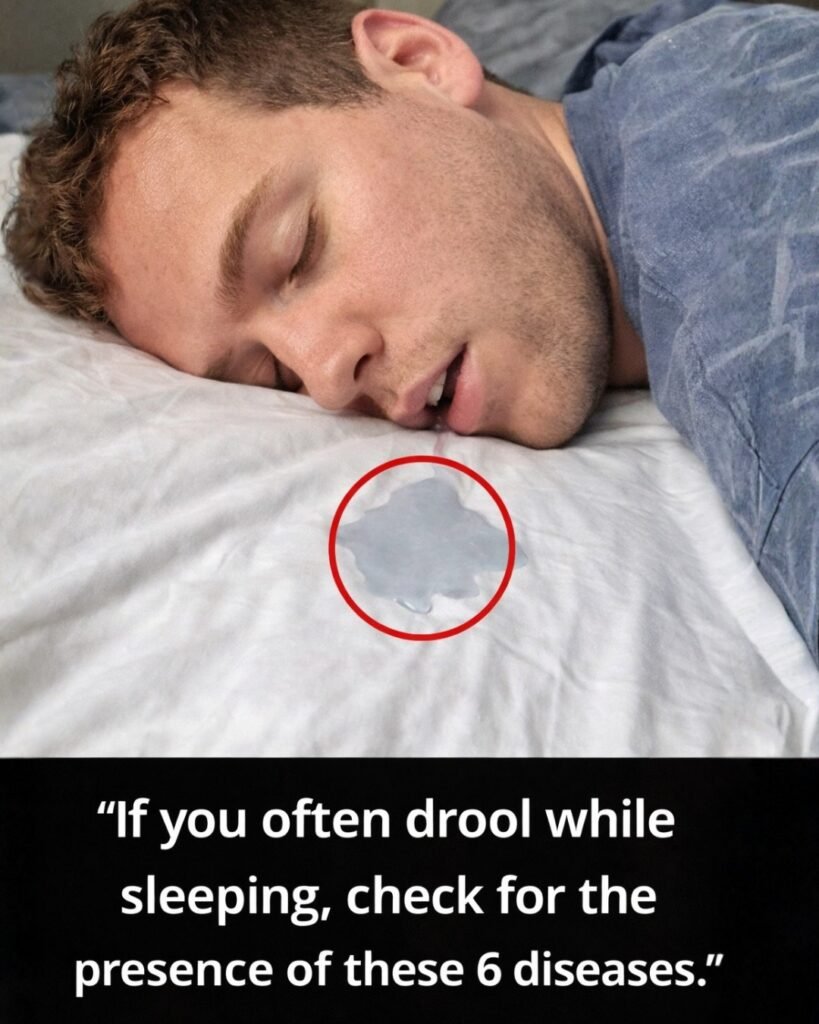
Waking up to a damp pillow can feel embarrassing and confusing, especially when it happens night after night. That wet spot isn’t just a random annoyance—it’s often your body’s way of signaling something about how you’re breathing or sleeping. Many people experience this without realizing it could stem from simple habits or point to deeper sleep patterns. In this article, we’ll break down the common reasons behind nighttime drooling, share practical steps to help reduce it, and explain when it might be worth a closer look. Stick around until the end, because there’s one surprising everyday factor that could be making it worse—and a small tweak that often helps quickly.

Sleeping Position: The Everyday Culprit Behind Most Cases
Gravity plays a bigger role than you might think. When you sleep on your side or stomach, your mouth can naturally fall open, allowing saliva to escape more easily. This is especially true during deep sleep phases, when swallowing reflexes slow down and muscles relax completely.
Research from sleep experts shows that side and stomach sleepers are far more prone to this issue compared to back sleepers. If your nose feels clear and you’re otherwise healthy, this position alone could explain the morning dampness.
Quick tip to try tonight: Switch to sleeping on your back with a supportive pillow under your head and knees. This simple change lets gravity keep saliva pooled in your mouth rather than letting it drip out.
But that’s not the full picture…

Why Mouth Breathing Turns Up the Volume on Drooling
If your nasal passages are blocked—even mildly—you’ll likely breathe through your mouth while asleep. This opens the door for saliva to flow out more freely.
Common triggers include:
- Seasonal allergies causing congestion
- A lingering cold or sinus irritation
- Structural issues like a deviated septum
Studies indicate that mouth breathing during sleep not only increases drooling but can also lead to drier mouth tissues upon waking, creating a cycle of discomfort. Addressing nasal congestion often brings noticeable improvement.

Medications That Might Be Boosting Saliva Flow
Some everyday prescriptions can ramp up saliva production without you realizing it. This side effect is more common than many people expect.
Examples include certain:
- Antibiotics
- Pain relievers like ibuprofen
- Sedatives or sleep aids
- Some antipsychotics
If you’ve started a new medication and noticed more nighttime wetness, it’s worth mentioning to your healthcare provider. They can explore adjustments or alternatives while keeping your treatment on track.
Here’s the interesting part…
When Drooling Could Point to Something Deeper
Occasional drooling is completely normal, but persistent or heavy episodes paired with other signs might reflect underlying patterns worth exploring.
Sleep Apnea Connection
Obstructive sleep apnea often involves repeated breathing pauses, leading people to breathe through their mouth. This mouth breathing, combined with relaxed swallowing, can result in more saliva escaping. Many with untreated sleep apnea report waking up with wet pillows alongside loud snoring, daytime tiredness, or morning headaches. Research links these symptoms closely, and addressing the breathing issue frequently reduces drooling as a bonus.

Acid Reflux (GERD) Influence
When stomach acid rises at night, your body may produce extra saliva to neutralize it—a protective response known as water brash. This can lead to noticeable drooling, especially if heartburn or a sour taste accompanies it.
Other Possible Contributors
- Chronic nasal or throat inflammation
- Dental irritation or gum issues
- Pregnancy-related changes (some experience increased saliva in early stages)
Studies highlight that these factors can amplify saliva flow or make it harder to keep in the mouth during sleep.
Fun fact: During pregnancy, hormonal shifts sometimes cause what’s called gestational ptyalism, where saliva production ramps up significantly—leading many to notice more frequent spitting or drooling, even at night.
Surprising Everyday Factors You Might Overlook
Beyond the big ones, smaller things can play a role:
- Teeth grinding (bruxism) at night, which stimulates salivary glands
- Dehydration during the day, prompting your body to overcompensate at night
- Heavy or spicy meals close to bedtime, irritating the digestive tract
Paying attention to these can reveal easy wins for better mornings.
Practical Steps to Help Reduce Nighttime Drooling
You don’t need drastic changes—start with these actionable tips:
- Optimize your sleep position — Use a body pillow to encourage back sleeping and prevent rolling onto your side.
- Clear your nasal passages — Try saline nasal sprays or a humidifier before bed to ease congestion.
- Adjust evening habits — Avoid large, heavy, or acidic meals 3+ hours before sleep; stay hydrated during the day but taper off liquids close to bedtime.
- Support oral health — Brush and floss regularly; address any gum sensitivity with your dentist.
- Consider supportive devices — For mild cases linked to breathing issues, oral appliances (like mandibular advancement devices) can help keep airways open—discuss with a specialist.
Many people see improvement within a week or two by combining 2–3 of these.
Frequently Asked Questions (FAQ)
Is drooling while sleeping normal?
Yes, it’s very common and often harmless, especially if it happens occasionally. Most adults experience it from time to time due to relaxed muscles and position.
When should I talk to a doctor about drooling?
If it’s frequent and comes with loud snoring, ongoing fatigue, heartburn, morning headaches, or restless sleep, consider consulting a healthcare professional. These could relate to sleep or digestive patterns that benefit from evaluation.
Does sleeping on my side always cause drooling?
Not necessarily, but it raises the likelihood—particularly if your mouth opens or nasal breathing is limited. Switching positions often helps reduce it significantly.
Final Thoughts
Nighttime drooling might seem like a minor embarrassment, but it’s usually your body’s honest feedback on sleep posture, breathing, or daily habits. In most situations, small adjustments—like changing how you position yourself or addressing congestion—can make a real difference in waking up drier and more refreshed. Listen to what your body is sharing; better sleep often follows understanding these signals.
Disclaimer: This article is for informational purposes only and not a substitute for professional medical advice. If you’re concerned about persistent drooling or related symptoms, consult a qualified healthcare provider for personalized guidance.