
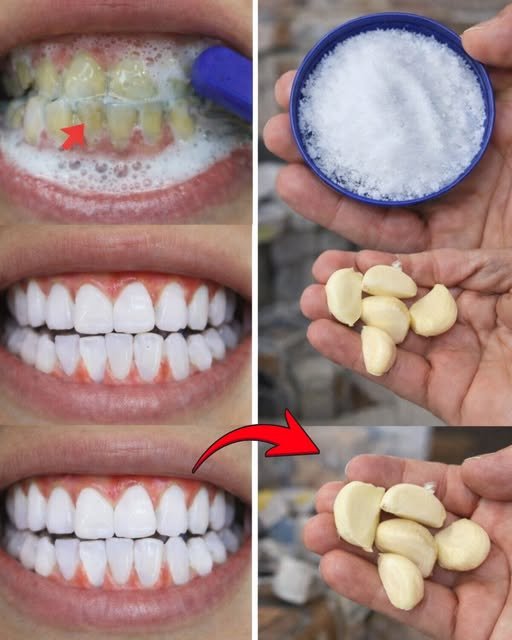
Many adults notice their once-bright smile gradually dulling from daily habits like morning coffee, afternoon tea, or the occasional glass of red wine. Over time—especially after age 40 or 45—surface stains build up, and thinning enamel reveals the yellower dentin underneath, making teeth appear less vibrant. This subtle discoloration can chip away at confidence, whether in photos, meetings, or everyday conversations. The good news? You don’t always need expensive treatments for noticeable improvement. Gentle, at-home routines using everyday items or trusted products can help lift surface stains safely and support a brighter appearance over time.
But here’s the truth most quick-fix articles won’t tell you: no home method delivers dramatic, Hollywood-white results in just minutes. Real brightening is gradual and safe. Stick with us—the most effective, evidence-backed tricks (and the ones to approach cautiously) are coming up, including a simple daily habit that many people swear by for lasting glow.

Why Teeth Lose Their Natural Sparkle Over Time
Teeth naturally yellow as we age due to a combination of factors. Dark-pigmented foods and drinks (coffee, tea, berries, soda) leave chromogens that cling to the surface enamel. Smoking or tobacco use adds stubborn stains, while acidic items erode enamel slightly, exposing more of the yellowish dentin layer beneath.
Regular brushing removes some debris, but microscopic plaque and stains accumulate. Research from dental journals shows that mild abrasives can help polish away these surface discolorations without aggressive bleaching. The key? Gentle, consistent care prevents buildup and supports your teeth’s natural whiteness.
But that’s not all—some popular home tricks promise fast results, yet science tells a different story.

Popular Quick Whitening Ideas: Myths vs. Realities
Social media is full of “2-minute miracles” using ingredients like baking soda, activated charcoal, or strawberries. While some offer mild surface polishing, most provide temporary freshness rather than true whitening. Studies, including reviews from the American Dental Association (ADA), show that dramatic changes require peroxide-based agents found in professional or ADA-approved products.
Many DIY methods are abrasive or acidic, risking enamel wear if overused. The exciting part? Safer alternatives exist that deliver subtle, noticeable improvements without the risks.

7 Safe & Effective Home Tricks for a Brighter Smile
Here are practical options backed by dental research and real user experiences. Focus on gentle methods that support oral health.
1. Switch to a Whitening Toothpaste (Daily 2-Minute Habit)
Look for ADA-accepted whitening toothpastes containing mild abrasives and low levels of hydrogen peroxide or carbamide peroxide. Clinical evidence shows these gradually remove surface stains and can lighten teeth by 1-2 shades over weeks. Brush for a full 2 minutes twice daily—consistency is key.
2. Baking Soda Paste (2-3 Times Weekly)
Mix a small amount of baking soda with water to form a paste. Brush gently for 1-2 minutes. Studies in the Journal of the American Dental Association confirm baking soda is a safe, mild abrasive that effectively removes surface stains without excessive enamel damage when used sparingly.
3. Diluted Hydrogen Peroxide Rinse (Short & Occasional)
Mix equal parts 3% hydrogen peroxide and water. Swish for 30-60 seconds after brushing, then spit and rinse thoroughly. Low concentrations help oxidize minor surface stains, as noted in dental research—always dilute and limit use to avoid irritation.
4. Oil Pulling with Coconut Oil (2-5 Minutes)
Swish a teaspoon of coconut oil in your mouth for a few minutes. While evidence for whitening is limited, it may reduce plaque and bacteria for a fresher, cleaner feel that indirectly supports brightness.
5. Rinse Immediately After Staining Drinks
After coffee or tea, rinse with water right away. This simple habit prevents pigments from settling—many people notice less buildup over time.
6. Strawberry Mash (Occasional Use – With Caution)
Mash fresh strawberries and rub gently for 1 minute, then rinse. The malic acid may offer mild exfoliation, but studies show minimal measurable whitening and potential acidity risks—use rarely.
7. Activated Charcoal (Limit or Avoid)
Some try dipping a wet brush in powder, but multiple reviews highlight its high abrasiveness and lack of strong evidence for effective whitening. The ADA cautions it may wear enamel over time—opt for safer options instead.

Quick Home Methods Compared
Here’s a handy comparison of popular approaches:
- Whitening Toothpaste — Time: 2 min daily — Effect: Gradual stain removal — Notes: ADA-approved options safest; daily use recommended
- Baking Soda Paste — Time: 1-2 min — Effect: Mild abrasion for surface stains — Notes: Gentle; limit to 2-3x weekly
- Oil Pulling — Time: 2-10 min — Effect: Fresher feel, plaque reduction — Notes: No strong whitening proof; don’t swallow
- Diluted Peroxide Rinse — Time: 1 min — Effect: Minor oxidation — Notes: Always dilute 3%; short contact only
- Activated Charcoal — Time: 1-2 min — Effect: Possible temporary polish — Notes: High abrasion risk; limited evidence
Real People, Real Results with Gentle Routines
Susan, 55, started skeptical about home methods. After switching to an ADA-approved whitening toothpaste and occasional baking soda polish, she noticed a subtle lift in brightness after a few weeks—enough to feel more confident smiling in photos.
Mark, 50, tried charcoal briefly but switched to consistent whitening paste and rinsing after coffee. He reports a cleaner, more polished look without sensitivity. These stories highlight the power of patience and safe habits.
Your Safe 2-Minute Starter Routine
Try this easy plan tonight:
- Brush with whitening toothpaste for 2 full minutes
- 2-3 times weekly, follow with gentle baking soda paste
- Rinse mouth thoroughly after each session
- If sensitivity occurs, stop and consult your dentist
Start slow, monitor how your teeth feel, and build the habit gradually.
Safety First: Essential Tips for Home Whitening
- Limit abrasive methods (like baking soda) to 2-3 times weekly to protect enamel
- Always dilute peroxide and avoid prolonged contact
- Rinse well after any treatment to neutralize acids
- Watch for pain, sensitivity, or irritation—stop immediately if noticed
- For deeper stains or dramatic results, professional options remain the gold standard
Gentle care adds up—many see fresher, brighter smiles within weeks.
Unlock a More Confident Smile Starting Tonight
You deserve to feel great about your smile every day. These simple, safe habits empower you to maintain natural brightness without risky shortcuts. Pick one trick tonight—perhaps that 2-minute whitening brush—and notice the fresh feeling right away.
Over time, consistency brings the glow you’ve been missing.
Frequently Asked Questions
How long does it take to see results from home teeth whitening?
Most people notice subtle improvements in surface brightness within 1-4 weeks with daily whitening toothpaste or occasional mild abrasives. Deeper changes require professional help.
Is baking soda safe for daily teeth whitening?
Baking soda is generally safe as a mild abrasive when used 2-3 times weekly. Daily use may be too harsh—stick to ADA-approved whitening toothpastes for everyday care.
Can natural methods like strawberries or charcoal really whiten teeth?
Evidence is limited; strawberries offer minimal effect, while charcoal’s abrasiveness raises enamel concerns. Safer, proven options like peroxide-based products work better.
This article is for informational purposes only and is not a substitute for professional dental advice. Always consult your dentist before trying new oral care routines, especially if you have sensitive teeth, restorations, or existing dental conditions.