
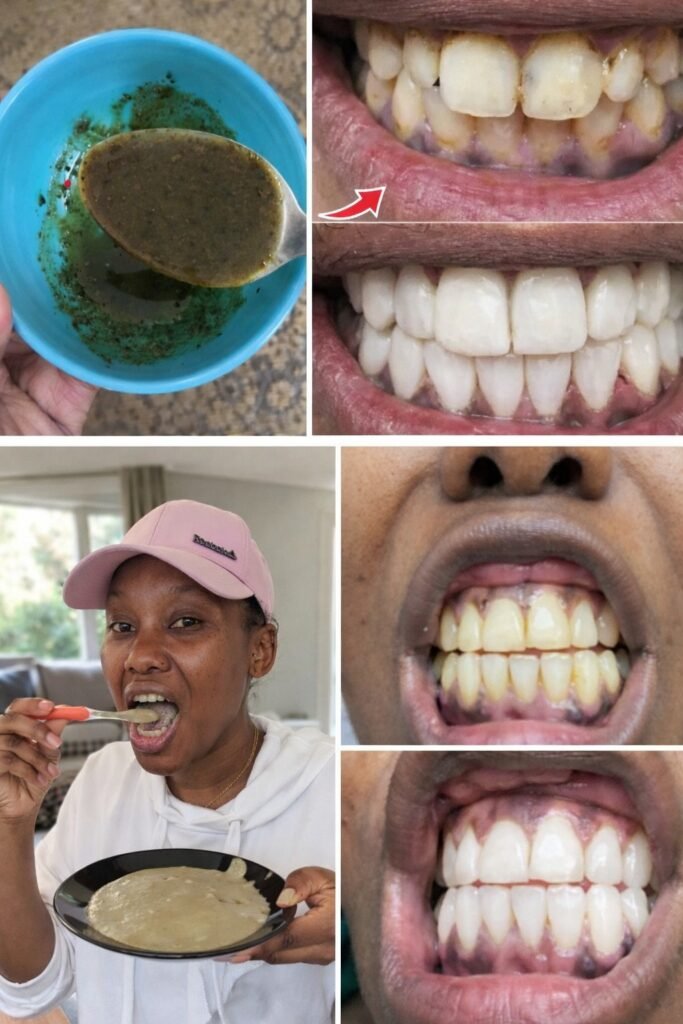
Many people notice their teeth gradually becoming yellower over time due to everyday habits like drinking coffee or tea, enjoying colorful foods, and the natural aging process that thins enamel. This discoloration often leads to feelings of self-consciousness, with surveys showing that a significant portion of adults feel insecure about smiling fully or openly in social situations. While commercial whitening products promise quick fixes, they can sometimes cause sensitivity or fall short on deeper stains.
What if a simple combination of common kitchen ingredients could offer a gentle approach to brighter-looking teeth right at home? This article explores one popular natural method that’s gaining attention online, explains the reasoning behind its components, and shares practical guidance on trying it safely.

Why Teeth Become Yellow Over Time
Tooth yellowing is a common concern as we age. The outer enamel layer naturally thins, revealing the yellower dentin beneath. Daily exposure to staining culprits like coffee, tea, red wine, berries, and tobacco accelerates extrinsic surface stains.
Many people turn to over-the-counter whitening strips, charcoal powders, or special toothpastes, yet results often disappoint. These options may only target surface issues, lead to temporary sensitivity, or require consistent use without dramatic changes. Beyond appearance, discolored teeth can impact confidence in photos, conversations, or professional settings.
Research indicates that mild abrasive agents and certain natural acids can help reduce extrinsic stains when used carefully. However, aggressive or frequent application risks enamel wear.
Exploring the Popular Banana-Ginger-Lemon Mixture
A trending home approach combines banana peel, fresh ginger, lemon juice, baking soda, and regular toothpaste into a paste for gentle brushing. Proponents suggest this mix leverages natural properties for a brighter smile without harsh chemicals.
This method appeals because it uses affordable, readily available items and takes just a few minutes. But let’s examine each ingredient based on available insights.

Banana Peel: A Mild Abrasive Option
Banana peels contain minerals like potassium and magnesium, along with some enzymes. Anecdotal reports claim the inner white part acts as a gentle scrub for surface stains when incorporated into a paste.
While no large-scale studies confirm strong whitening effects from banana peels alone, their mild texture may contribute to light mechanical cleaning similar to soft brushing. Small in-vitro research on natural remedies notes limited but present stain reduction in some fruit-based applications.
Ginger and Lemon: Natural Compounds with Caution
Fresh ginger offers antibacterial qualities and mild active compounds that some believe support oral freshness. Lemon juice supplies citric acid, which can help lift surface stains in controlled amounts.
Studies on natural whitening agents show lemon juice demonstrates noticeable color change in lab settings due to its acidity. However, dental experts emphasize that citric acid poses a risk of enamel softening or erosion if overused. That’s why recipes strictly limit lemon to small quantities and infrequent application.

Baking Soda and Toothpaste: A Balanced Cleaning Pair
Baking soda (sodium bicarbonate) is a recognized mild abrasive that helps scrub away extrinsic stains. Clinical reviews show baking soda-containing dentifrices effectively reduce stains compared to some non-baking soda formulas, often with good safety when not over-applied.
Pairing it with fluoride toothpaste adds cavity protection and remineralization benefits. Research supports this duo for gentle stain management without excessive wear in moderation.

How to Prepare and Use the Mixture Safely (Step-by-Step Guide)
If you’re curious to try this approach responsibly, follow these steps carefully:
- Select a ripe banana and scrape the soft inner white lining from the peel (use the whole peel for enough material).
- Grate a small piece of fresh ginger and squeeze out about 1 teaspoon of juice.
- Add 1 teaspoon of fresh lemon or lime juice (keep it minimal to reduce acidity risks).
- Mix in 1–1.5 tablespoons of your usual fluoride toothpaste.
- Stir in ½ teaspoon of baking soda until it forms a smooth paste.
Apply the paste with a soft-bristled toothbrush and brush gently for 1–2 minutes, focusing on stained areas. Rinse thoroughly with water, then brush again with plain fluoride toothpaste to help neutralize and protect.
Important frequency guidelines:
- For noticeable yellowing: Limit to 2–3 times per week for up to 2–4 weeks.
- For ongoing maintenance: Once every 1–2 weeks or less.
- Always use gentle pressure and a soft brush to avoid irritation.
Safety Considerations and When to Pause
This combination relies on moderation to stay gentle. Excessive use of acidic elements like lemon can soften enamel, leading to sensitivity or long-term issues. Baking soda’s abrasiveness is mild but can contribute to wear over time if aggressive.
Stop immediately if you notice sensitivity, gum irritation, or discomfort. Avoid this method if you have sensitive teeth, gum concerns, open sores, or recent dental work. It’s not suitable for daily use.
Consult your dentist before starting any new oral routine, especially if you have existing conditions.
Comparing Whitening Approaches
Here’s a quick overview of common options:
- Professional bleaching: $300–$1,000 | Fast results | Supervised safety | Low-moderate sensitivity
- Over-the-counter strips: $30–$60 | 1–2 weeks | Moderate enamel safety | Moderate sensitivity
- Charcoal powders: $10–$30 | Variable | Lower safety profile | Higher sensitivity risk
- Baking soda-based pastes (like this method): Under $5 | Gradual (weeks) | Moderate when limited | Low sensitivity if careful
- Everyday fluoride toothpaste: $5–$10 | Months for maintenance | High safety | Very low risk
The kitchen-based option stands out for convenience and low cost but requires responsible use.
Advanced Tips for Better Oral Care
- After using the paste, follow with regular fluoride brushing to support remineralization.
- Wait 30–60 minutes before consuming staining drinks like coffee or tea.
- Consider complementary habits like oil pulling or rinsing with green tea for overall mouth health.
- Maintain consistent daily brushing, flossing, and professional cleanings for lasting brightness.
Conclusion: A Gentle, Affordable Option with Realistic Expectations
Exploring natural combinations like banana peel, ginger, lemon, baking soda, and toothpaste offers an intriguing at-home way to address surface stains affordably. When used sparingly and gently, it may contribute to a brighter appearance through mild abrasion and natural compounds.
Results vary based on stain type, consistency, and individual factors. Focus on moderation to protect enamel and prioritize overall oral health.
FAQ
1. How often can I safely try this banana-ginger-lemon paste?
Limit to 2–3 times weekly initially, then reduce to maintenance mode (once every few weeks) to minimize risks.
2. Will this method work on deep or intrinsic stains?
It primarily targets surface (extrinsic) stains; deeper discoloration often needs professional evaluation.
3. Is this better than regular whitening toothpaste?
It adds natural elements for potential extra stain lifting, but always pair with fluoride toothpaste for cavity protection—neither replaces professional advice.
This article is for informational purposes only and does not constitute professional dental advice. Consult your dentist before trying any new oral care routine, especially if you have sensitive teeth, gum disease, or existing dental work. Results vary by individual.