
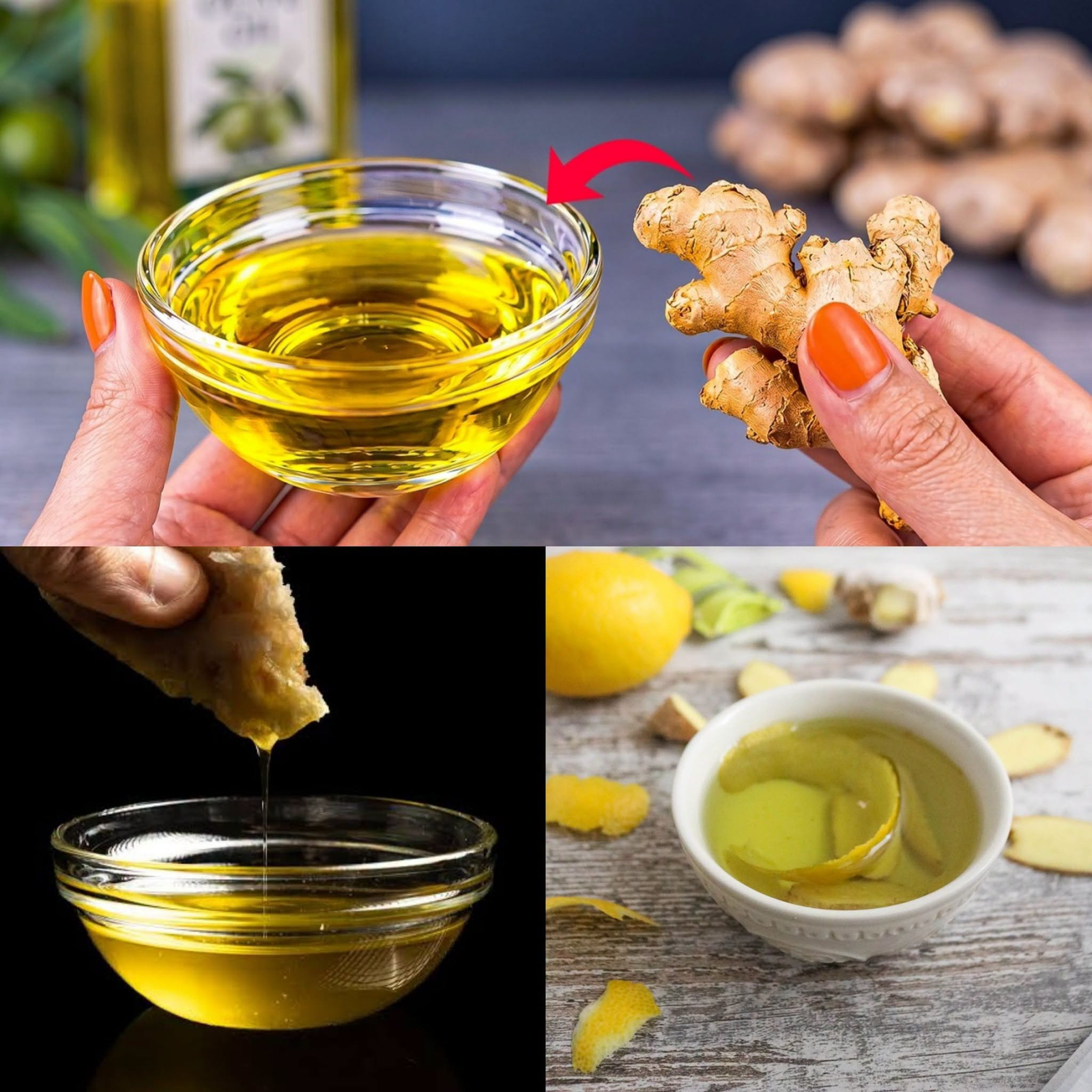
Mix Olive Oil With Ginger: The Surprising Benefits of This Simple Homemade Combination
What happens when you combine two ingredients that have been used in kitchens for thousands of years?
Olive oil is a staple of Mediterranean cooking, valued for its healthy fats and rich flavor. Ginger, meanwhile, has a long history in Asian cuisine and traditional herbal preparations.
But recently, people have been mixing olive oil with ginger for reasons that go beyond cooking.
Some use the combination to make a warming massage oil. Others add ginger to olive oil for flavorful homemade dishes. And online, the mixture is sometimes promoted as a remedy for stiff joints, tired muscles, poor circulation, and even signs of aging.
Could such a simple combination really offer surprising benefits?
Olive oil and ginger both contain interesting natural compounds, but mixing them doesn’t create a miracle treatment. The strongest evidence supports their use as nutritious culinary ingredients, while some other benefits remain preliminary.
Here’s what makes this combination interesting, how to prepare it safely, and which popular claims deserve a closer look.
1. Why Olive Oil Is More Than an Ordinary Cooking Ingredient
Olive oil has been an important part of Mediterranean diets for centuries.
Extra virgin olive oil is especially valued because it is produced through mechanical processes and retains naturally occurring plant compounds.
Its primary fat is oleic acid, a monounsaturated fatty acid.
Replacing some saturated fats with unsaturated fats, including those found in olive oil, can support cardiovascular health as part of an overall balanced diet.
Extra virgin olive oil also contains polyphenols that have attracted scientific interest for their antioxidant properties.
However, olive oil doesn’t unclog arteries, eliminate cholesterol, or cure cardiovascular disease.
Its benefits are best understood within a healthy dietary pattern that includes vegetables, legumes, whole grains, nuts, and other nutritious foods.
2. What Makes Ginger So Interesting?
Ginger comes from the rhizome of Zingiber officinale, a flowering plant native to Asia.
Its distinctive spicy flavor comes partly from compounds called gingerols and shogaols.
These substances have been investigated for antioxidant and anti-inflammatory activity.
Ginger has also been studied for certain types of nausea, including pregnancy-related nausea and postoperative nausea.
Evidence for other uses, such as arthritis pain, is less conclusive.
Some studies suggest ginger preparations may offer modest symptom relief in certain circumstances, but results vary considerably.
Importantly, research involving concentrated ginger extracts or supplements doesn’t necessarily apply to a homemade mixture of ginger and olive oil.
3. What Happens When You Mix Ginger and Olive Oil?
Olive oil can carry flavor and some oil-soluble aromatic compounds from ginger.
When the ingredients are combined in a dish, the oil helps distribute ginger’s pungent flavor.
This can create a delicious base for vegetables, fish, marinades, and other meals.
But not all of ginger’s compounds dissolve efficiently into oil.
Simply placing ginger in olive oil doesn’t guarantee that the finished mixture contains a meaningful or consistent amount of its biologically active substances.
The concentration depends on the preparation method, temperature, ingredient proportions, and storage conditions.
This is one reason homemade infused oils shouldn’t be treated like standardized medicinal products.
4. Could Ginger and Olive Oil Help With Joint Comfort?
One of the most popular claims about ginger and olive oil involves joint discomfort.
Some online videos suggest that rubbing the mixture onto knees, shoulders, or hands can dramatically reduce pain.
Ginger has been studied for potential anti-inflammatory effects, while olive oil is sometimes used as a skin-conditioning massage oil.
However, there isn’t reliable clinical evidence that a homemade ginger-and-olive-oil mixture penetrates joints or treats arthritis.
A gentle massage may temporarily improve comfort for some people, regardless of the oil used.
But ginger applied directly to the skin can cause irritation, particularly in concentrated preparations.
If you have persistent joint pain, swelling, warmth, or restricted movement, it’s important to investigate the underlying cause.
For osteoarthritis, appropriately selected exercise, physical therapy, and evidence-based pain management are generally more dependable.
5. Can the Combination Improve Circulation?
Another frequently repeated claim is that ginger and olive oil can restore circulation.
The reality is more complicated.
A Mediterranean-style diet that includes olive oil is associated with cardiovascular benefits.
Ginger has also been investigated for possible effects on certain cardiovascular markers.
But there’s no convincing evidence that rubbing ginger-infused oil onto the skin opens blocked blood vessels or treats poor circulation.
Symptoms such as persistent cold feet, leg pain while walking, numbness, or wounds that heal slowly may indicate a medical problem.
These symptoms shouldn’t be managed solely with homemade remedies.
6. The Simple Ginger and Olive Oil Recipe for Cooking

One of the safest and most useful ways to enjoy ginger and olive oil together is in a freshly prepared culinary dressing.
This recipe takes only a few minutes and adds flavor to vegetables, salads, and cooked dishes.
Fresh ginger and olive oil dressing
No added sugar
Prep time
5 min
Cooking
None
Servings
2–3
Ingredients
- 2 tablespoons extra virgin olive oil
- 1 teaspoon freshly grated ginger
- 1 tablespoon fresh lemon juice
- A small pinch of black pepper
- A pinch of salt, optional
Preparation
- Wash and peel the ginger.
- Grate it finely using a clean grater.
- Add the grated ginger to a small bowl.
- Pour in the extra virgin olive oil.
- Add the lemon juice and black pepper.
- Stir thoroughly.
- Use immediately over cooked vegetables, salads, or other savory dishes.
Because fresh ginger contains moisture, do not store homemade ginger-in-oil mixtures at room temperature.
Fresh plant material in oil can create conditions that allow Clostridium botulinum to grow if the preparation is improperly stored.
For this fresh dressing, make only what you need and refrigerate leftovers promptly, using them within four days or freezing them for longer storage.
Lemon juice added casually to a recipe doesn’t make homemade flavored oil reliably safe for room-temperature storage.
7. Three Delicious Ways to Use the Mixture

1. Ginger-Roasted Vegetables
Toss carrots, broccoli, or cauliflower with olive oil and freshly grated ginger before roasting. Add lemon juice after cooking for extra freshness.

2. Ginger and Olive Oil Fish Marinade
Combine olive oil, ginger, and lemon to season salmon or another fish before cooking it to a safe internal temperature.

3. Fresh Ginger Salad Dressing
Use the recipe above over shredded cabbage, carrots, cucumber, and leafy greens.
8. What About Using Ginger and Olive Oil as a Massage Treatment?

Some people prefer to use olive oil externally as a massage oil.
Plain olive oil can reduce friction during massage, although it may not be suitable for all skin types.
Adding fresh ginger or concentrated ginger essential oil introduces a greater possibility of skin irritation.
Ginger can cause burning, redness, or contact dermatitis.
For this reason, applying raw ginger paste directly to the skin or covering it with plastic wrap isn’t recommended.
If you enjoy gentle massage, using a fragrance-free, skin-safe product is a more predictable choice.
Avoid massaging areas that are swollen, unusually warm, injured, or painful without knowing the cause.
9. Can Olive Oil and Ginger Help With Skin Aging?

Olive oil is sometimes promoted as a natural anti-aging treatment.
It can help reduce moisture loss on some areas of dry skin, but it isn’t ideal for everyone.
In people with sensitive skin or eczema, olive oil may aggravate the skin barrier.
Ginger compounds have shown antioxidant activity in laboratory research, but that doesn’t mean applying fresh ginger to the face will erase wrinkles.
In fact, raw ginger may irritate delicate facial skin.
For healthy-looking skin, gentle cleansing, a suitable moisturizer, and daily broad-spectrum sunscreen remain more reliable choices.
10. Why Fresh Ginger Oil Shouldn’t Be Stored for Months

One of the most important details often missing from viral recipes is food safety.
Some demonstrations recommend placing sliced ginger in a bottle of olive oil and leaving it in a cupboard for weeks.
That isn’t a safe general recommendation.
Fresh ginger contains water, and when moisture-rich ingredients are submerged in oil, oxygen availability becomes limited.
Under certain conditions, this can create an environment favorable to the growth of bacteria responsible for botulism.
Botulism is rare but potentially life-threatening.
For homemade oils containing fresh ginger, garlic, or herbs, follow tested food-safety guidance: refrigerate promptly and use within four days, or freeze for longer storage.
Don’t assume that heating the oil briefly, adding lemon, or using a clean bottle makes it shelf-stable.
Commercial flavored oils are manufactured using controlled methods that can’t be reliably duplicated by guessing at home.
11. Who Should Be Careful With Ginger?

Ginger is generally well tolerated in ordinary food amounts.
However, larger quantities can cause heartburn, stomach discomfort, or diarrhea.
Ginger supplements may interact with certain medications, including anticoagulants, and should be discussed with a healthcare professional when appropriate.
People with gallbladder disease or those preparing for surgery may also need individualized advice about concentrated ginger products.
Olive oil is calorie-dense, so portion size still matters even though it contains beneficial unsaturated fats.
And neither ingredient should replace prescribed treatment for chronic disease.
12. Why This Combination Has Become So Popular

Part of the appeal is simplicity.
You don’t need a long shopping list or expensive equipment.
Olive oil and ginger are familiar, affordable ingredients that can add flavor to many everyday meals.
They also fit naturally into cooking patterns built around vegetables, fish, legumes, and other minimally processed foods.
But there’s a difference between a useful culinary habit and a medical treatment.
The benefits of a balanced diet develop through consistent choices over time—not through one miracle mixture.
The Bottom Line
Olive oil and ginger make a flavorful combination with interesting nutritional properties.
Olive oil provides predominantly monounsaturated fats, while ginger contributes aromatic compounds that have attracted scientific research.
The combination hasn’t been proven to cure joint pain, restore circulation, or reverse aging. But used in cooking, it can be a delicious part of a healthy diet.
The simplest way to enjoy it is to prepare a fresh dressing or marinade, use it promptly, and follow proper storage precautions.
Sometimes the most worthwhile kitchen discoveries aren’t miracle remedies. They’re easy, flavorful ways to make everyday meals a little better.
Further reading: National Center for Complementary and Integrative Health (NCCIH) — Ginger; American Heart Association — Dietary Fats and Cardiovascular Health; National Center for Home Food Preservation — Herbs and Vegetables in Oil; USDA FoodData Central; American Academy of Dermatology Association — Skin Care.