
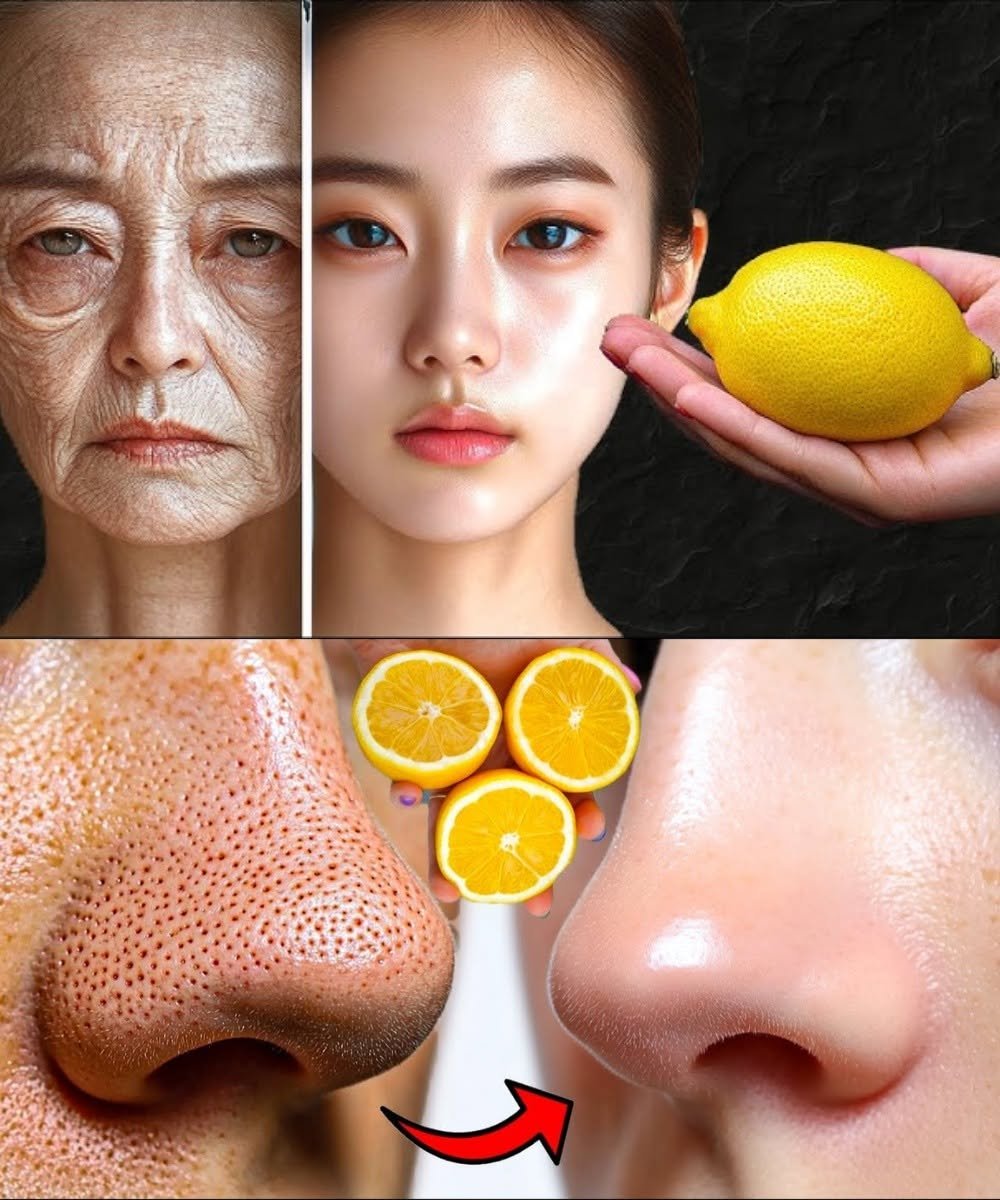
How to Reduce the Appearance of Large Pores Naturally: Simple Skin-Care Tips at Home
Large or noticeable pores are a common skin concern. They can become more visible when the skin produces excess oil, when dead skin cells build up around the pore openings, or when the skin loses some of its firmness with age.
You may see home remedies online involving lemon juice, baking soda, toothpaste, or other kitchen ingredients. However, these remedies can irritate the skin and may cause redness, dryness, or even chemical burns. Lemon juice in particular should not be applied directly to the face, especially before going outdoors.
The good news is that you can make pores look less noticeable with a gentle and consistent skin-care routine.
Why Do Pores Look Larger?
Pores are tiny openings connected to hair follicles and oil glands. Everyone has them, but their appearance varies from person to person.
Several factors can make them appear larger:
- Excess oil production
- Clogged pores
- Dead skin-cell buildup
- Sun exposure
- Aging and reduced skin elasticity
- Genetics
- Inadequate skin care
Pores themselves cannot simply be permanently “closed.” Instead, the goal is to keep them clear and make their appearance less noticeable.
1. Keep Your Face Clean
Wash your face gently twice a day, particularly if your skin becomes oily.
Choose a mild cleanser rather than harsh soap. Scrubbing aggressively may temporarily make the skin feel cleaner, but it can irritate the skin and potentially make oiliness or redness more noticeable.
Use lukewarm water and gently pat your face dry.
2. Try Salicylic Acid for Clogged Pores
If your main problem is oily or congested skin, a product containing salicylic acid (BHA) can be useful.
Salicylic acid helps exfoliate inside pores and can reduce the buildup of oil and dead skin cells that makes pores look more prominent.
Start slowly, particularly if you have sensitive skin, and follow the product’s directions.
3. Don’t Forget Moisturizer
Many people with oily skin avoid moisturizer because they think it will make their face greasier.
That’s not necessarily true.
A lightweight, non-comedogenic moisturizer can help maintain the skin barrier without adding excessive oil. Healthy, properly moisturized skin can also have a smoother appearance.
4. Use Sunscreen Every Day
Sun exposure can damage collagen and contribute to premature skin aging. Over time, reduced skin firmness can make pores appear more prominent.
Use a broad-spectrum sunscreen with SPF 30 or higher during the day and reapply when appropriate.
Sun protection is one of the most important long-term steps for maintaining healthier-looking skin.
5. Be Careful With Lemon
Lemon is frequently shown in social-media “pore tightening” recipes because it contains citric acid and vitamin C.
But fresh lemon juice is not a good DIY facial treatment.
It is acidic and can irritate the skin. Citrus juice on skin followed by sunlight can also cause a reaction known as phytophotodermatitis, which can result in redness, blistering, or dark discoloration.
If you want the benefits associated with vitamin C, choose a properly formulated facial product instead.
6. Avoid Squeezing Your Pores
Blackheads and clogged pores can be tempting to squeeze.
However, repeatedly pressing or picking at the skin can cause inflammation, scarring, and discoloration.
Instead, use gentle cleansing and appropriate exfoliation.
7. Clay Masks May Help With Excess Oil
A clay mask can temporarily absorb excess surface oil and leave oily skin looking cleaner and less shiny.
It won’t permanently shrink pores, but reducing oil and buildup can make them appear less noticeable for a while.
Don’t leave a clay mask on until your skin becomes extremely dry or uncomfortable.
8. Keep Your Routine Consistent
One of the biggest mistakes in skin care is constantly switching between different home remedies.
Healthy-looking skin usually benefits more from a simple routine that you can follow consistently:
Morning:
Gentle cleanser → moisturizer → sunscreen
Evening:
Gentle cleanser → appropriate treatment such as salicylic acid → moisturizer
Introduce new products gradually rather than using several strong ingredients at the same time.
What About Aging Skin?
As we age, the skin naturally loses collagen and elasticity. This can make pores appear more pronounced, particularly around the cheeks and nose.
A good sunscreen routine, gentle skin care, and dermatologist-recommended treatments can help improve the overall appearance and texture of mature skin.
Final Thoughts
There is no kitchen ingredient that can permanently erase or “close” facial pores overnight. While viral remedies may promise dramatic before-and-after results, harsh ingredients such as lemon juice can do more harm than good.
For smoother-looking skin, focus on gentle cleansing, appropriate exfoliation, moisturizer, sun protection, and consistency. If your pores remain a major concern, a dermatologist can recommend treatments specifically suited to your skin type.
Remember: natural doesn’t always mean safe for facial skin. A simple, evidence-based routine is usually a much better choice than experimenting with strong household ingredients.