
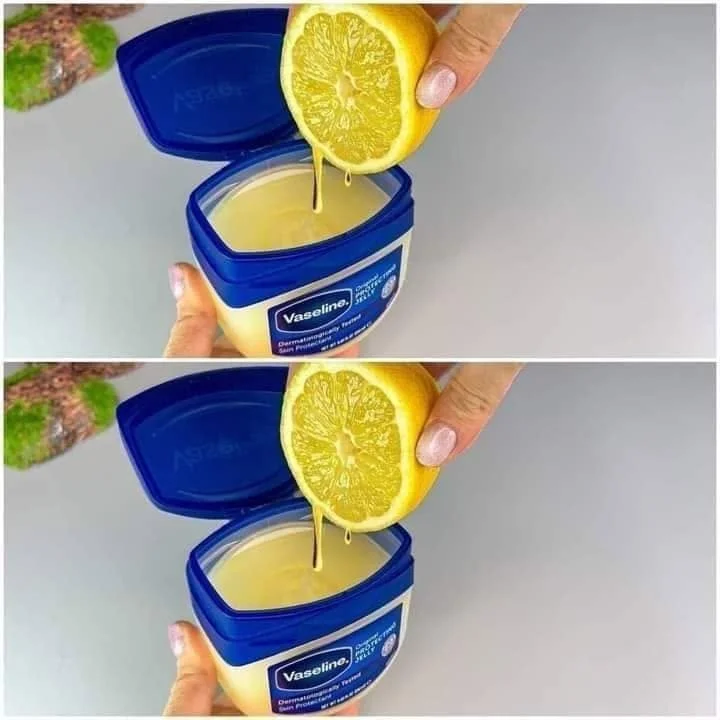
Vaseline and Lemon: What to Know About This Popular Skincare Combination
Vaseline and Lemon: What to Know About This Popular Skincare Combination
1. Why People Talk About Vaseline and Lemon
DIY skincare recipes are widely shared on social media, and one of the most popular combinations is Vaseline and lemon. Vaseline (petroleum jelly) is commonly used to help lock in moisture, while lemon contains citric acid and vitamin C. Although many people use this mixture for skincare, it’s important to understand both the potential benefits and possible risks before trying it.
Key points:
- Vaseline helps reduce moisture loss by forming a protective barrier.
- Lemon contains natural acids and vitamin C.
- DIY skincare trends are popular but may not suit every skin type.
- Skin safety should always come before following online beauty hacks.
2. Things to Consider Before Using DIY Skincare Mixtures
Natural ingredients are not always gentle on the skin. Citrus fruits like lemon can sometimes cause irritation, especially for people with sensitive skin.
Things to keep in mind:
- Different skin types react differently.
- Lemon may increase sensitivity to sunlight.
- Always perform a patch test before applying any DIY mixture.
- Avoid using irritated or damaged skin.
- Overuse may lead to dryness or redness.
If irritation develops, stop using the product and seek professional advice.
3. Benefits of Good Daily Skincare Habits
Healthy skin is usually the result of consistent daily care rather than quick home remedies.
Daily skincare tips:
- Wash your face with a gentle cleanser twice daily.
- Apply a moisturizer suitable for your skin type.
- Use sunscreen every morning.
- Drink enough water throughout the day.
- Eat a balanced diet rich in fruits and vegetables.
- Avoid harsh scrubbing or picking at the skin.
Simple routines often provide better long-term results than frequent DIY treatments.
4. When Should You See a Dermatologist?
Some skin problems require professional evaluation.
Consult a dermatologist if you experience:
- Redness or burning after using skincare products
- Persistent itching or irritation
- Skin peeling that doesn’t improve
- Dark spots that continue to worsen
- Acne that doesn’t respond to basic skincare
- Swelling or allergic reactions
A dermatologist can recommend treatments based on your individual skin type and concerns.
5. Safe Alternatives for Moisturizing
If your goal is simply to keep your skin moisturized, several dermatologist-recommended products are available.
Safe moisturizing options include:
- Plain petroleum jelly for very dry areas
- Fragrance-free moisturizers
- Gentle hydrating creams
- Moisturizing sunscreen for daytime use
- Mild cleansers that protect the skin barrier
These products are generally less likely to cause irritation when used correctly.
6. Tips for Maintaining Healthy Skin
Healthy skin depends on more than just the products you use.
Daily wellness habits include:
- Stay hydrated.
- Get enough sleep.
- Protect your skin from excessive sun exposure.
- Avoid smoking.
- Eat nutrient-rich foods.
- Manage stress.
- Follow a consistent skincare routine.
Good lifestyle habits can support healthier-looking skin over time.
Final Thoughts
The combination of Vaseline and lemon has become popular online, but it may not be suitable for everyone. While Vaseline can help lock in moisture, lemon may irritate the skin or increase sun sensitivity in some people.
Before trying any DIY skincare treatment, consider your skin type and perform a patch test. If you experience persistent irritation or have ongoing skin concerns, consult a licensed dermatologist or healthcare provider for personalized advice.
Disclaimer: This article is for educational purposes only and should not be considered medical advice. Always seek guidance from a qualified healthcare professional before trying new skincare treatments, especially if you have sensitive skin or existing skin conditions.