
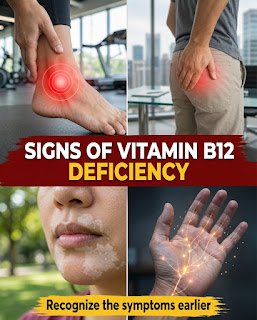
8 Common Signs Your Body May Need More Vitamin B12
Meta Description:
Discover eight common signs that may be associated with low vitamin B12 levels, learn why this essential nutrient matters, explore food sources rich in B12, and find practical ways to support your daily health.
Could Your Body Be Asking for More Vitamin B12?
Feeling unusually tired? Experiencing tingling in your hands or feet? Struggling to concentrate even after a good night’s sleep?
These symptoms can have many possible causes, but one nutrient that deserves attention is vitamin B12.
Vitamin B12 plays an essential role in energy production, healthy nerve function, red blood cell formation, and DNA synthesis. Because the body cannot produce it on its own, it must come from food or supplements when necessary.
A deficiency often develops gradually, making its early signs easy to overlook. Recognizing those signs—and discussing them with a healthcare professional—can help you address potential nutritional gaps before they become more significant.
What Is Vitamin B12?
Vitamin B12 (cobalamin) is a water-soluble vitamin that supports several vital body functions, including:
- Healthy red blood cell production
- Normal nervous system function
- DNA synthesis
- Energy metabolism
- Brain and cognitive health
Since B12 is primarily found in animal-based foods, people following vegetarian or vegan diets may need fortified foods or supplements under professional guidance.
8 Common Signs That May Be Linked to Low Vitamin B12
These symptoms are not specific to vitamin B12 deficiency and can have many different causes. Proper testing is necessary to determine whether B12 is involved.
1. Persistent Fatigue
Feeling exhausted even after adequate rest is one of the most frequently reported symptoms.
When vitamin B12 levels are low, the body may produce fewer healthy red blood cells, reducing oxygen delivery throughout the body and contributing to fatigue.
2. Tingling or Numbness
Pins-and-needles sensations in the hands, feet, or legs may occur because vitamin B12 helps maintain healthy nerve function.
Persistent numbness should always be evaluated by a healthcare professional.
3. Memory and Concentration Difficulties
Some people notice:
- Forgetfulness
- Difficulty concentrating
- Mental fog
- Reduced focus
These symptoms can result from many medical or lifestyle factors, but B12 deficiency is one possibility your healthcare provider may investigate.
4. Pale or Slightly Yellow Skin
Low B12 levels can sometimes contribute to certain types of anemia, which may make the skin appear unusually pale.
Some individuals may also notice a mild yellowish tone due to changes in red blood cell turnover.
5. Shortness of Breath or Dizziness
If the body isn’t producing enough healthy red blood cells, oxygen transport may be reduced, potentially contributing to:
- Lightheadedness
- Shortness of breath during activity
- Reduced exercise tolerance
These symptoms should always be medically evaluated.
6. Mood Changes
Vitamin B12 contributes to normal nervous system function.
Some people with low levels report changes in mood or emotional well-being, although these symptoms have many possible causes.
7. Sore or Smooth Tongue
A swollen, sore, or unusually smooth tongue may occasionally occur in people with vitamin B12 deficiency.
Some people also experience mouth ulcers or burning sensations.
8. Balance Problems
Long-term vitamin B12 deficiency may affect nerve health and contribute to difficulties with balance or coordination.
Because balance problems have many potential causes, prompt medical assessment is important.
Who Is More Likely to Have Low Vitamin B12?
Certain groups have a higher risk of deficiency, including:
- Adults over age 50
- Vegans and strict vegetarians
- People with digestive disorders that reduce nutrient absorption
- Individuals who have had stomach or intestinal surgery
- People taking certain medications, such as long-term acid-reducing drugs or metformin
- Individuals with pernicious anemia
Foods Rich in Vitamin B12
The best natural sources include:
- Beef
- Liver
- Salmon
- Tuna
- Sardines
- Eggs
- Milk
- Yogurt
- Cheese
- Shellfish
For plant-based diets, look for:
- Fortified breakfast cereals
- Fortified plant-based milks
- Nutritional yeast fortified with vitamin B12
Simple B12-Friendly Breakfast Idea
Ingredients
- Two eggs
- Whole-grain toast
- Plain Greek yogurt
- Fresh berries
This balanced meal provides protein, important vitamins, and, for most people, a good source of vitamin B12.
Can Supplements Help?
Vitamin B12 supplements may be appropriate for people with confirmed deficiency or those at increased risk.
However:
- Supplements should ideally be taken based on medical advice.
- Blood testing can help determine whether supplementation is necessary.
- Some individuals with severe deficiency require prescription injections rather than oral supplements.
Healthy Habits That Support Energy
Alongside adequate vitamin B12 intake, these habits can help support overall well-being:
- Eat a balanced diet rich in whole foods.
- Stay physically active.
- Drink enough water.
- Get quality sleep each night.
- Manage stress.
- Schedule routine health checkups.
Frequently Asked Questions
Can low vitamin B12 cause fatigue?
Yes. Fatigue is one of the most common symptoms associated with vitamin B12 deficiency, although many other conditions can also cause tiredness.
Can vegetarians get enough vitamin B12?
Because vitamin B12 is found mainly in animal foods, vegetarians and vegans often rely on fortified foods or supplements to meet their needs.
How is vitamin B12 deficiency diagnosed?
A healthcare provider can diagnose deficiency using blood tests and, when appropriate, additional laboratory assessments.
Can symptoms improve after treatment?
If vitamin B12 deficiency is identified early and treated appropriately, many symptoms may improve. However, prolonged deficiency can sometimes lead to lasting nerve damage, making early diagnosis important.
When Should You See a Healthcare Professional?
Speak with a healthcare provider if you experience:
- Persistent fatigue
- Numbness or tingling
- Difficulty walking
- Memory problems
- Unexplained weakness
- Shortness of breath
- Pale skin
These symptoms deserve proper medical evaluation, as they may have many possible causes beyond vitamin B12 deficiency.
Final Thoughts
Vitamin B12 is an essential nutrient that supports energy production, nerve function, healthy blood cells, and cognitive health. While symptoms of deficiency can be subtle at first, recognizing possible warning signs and maintaining a balanced diet can help support long-term wellness.
If you suspect you may have low vitamin B12, the most reliable next step is to consult a healthcare professional and have your levels checked. With appropriate nutrition and, when needed, individualized treatment, many people can successfully restore healthy vitamin B12 levels.
Disclaimer: This article is for educational purposes only and is not intended to diagnose, treat, cure, or prevent any disease. Symptoms described here can have many different causes. Always consult a qualified healthcare professional for evaluation, diagnosis, and personalized medical advice.