
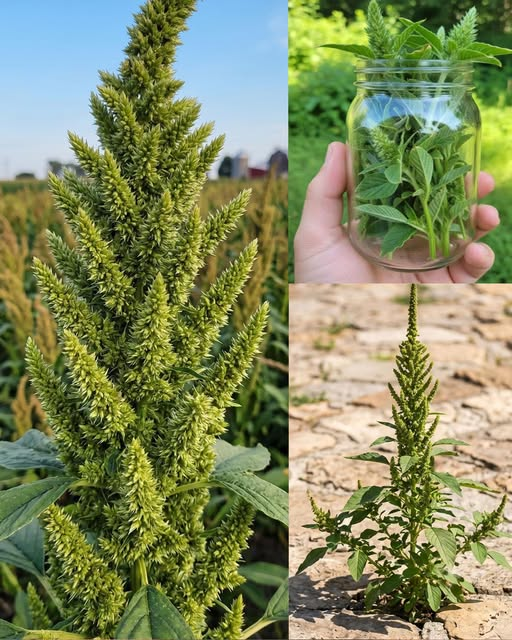
10 benefits of pigweed
10 Benefits of Pigweed (Amaranth): Nutrition, Health & Uses
Pigweed, commonly known as amaranth, is often considered a common weed, but it is actually one of the most nutritious leafy plants available. Both its tender leaves and tiny seeds are edible and have been used for centuries in traditional cuisines and herbal practices around the world. Rich in vitamins, minerals, antioxidants, fiber, and high-quality plant protein, pigweed is a versatile superfood that supports overall health while also thriving in harsh growing conditions.
Whether enjoyed as leafy greens in soups and stir-fries or as gluten-free amaranth grain, pigweed offers impressive nutritional value and numerous health benefits.
What Is Pigweed?
Pigweed refers to several species in the Amaranthus genus. Young leaves are cooked like spinach, while the seeds are harvested and used similarly to grains. Because it grows quickly and tolerates poor soils and drought, pigweed has long been valued as a reliable food source in many parts of the world.
10 Health Benefits of Pigweed
1. Rich in Essential Nutrients
Pigweed leaves are loaded with important vitamins and minerals, including:
- Vitamin A
- Vitamin C
- Vitamin K
- Calcium
- Magnesium
- Potassium
- Iron
These nutrients support healthy vision, immunity, strong bones, and normal body function.
2. Excellent Source of Plant Protein
Amaranth seeds are considered a complete protein, meaning they contain all nine essential amino acids. This makes pigweed an excellent protein source for vegetarians and vegans.
3. Naturally Gluten-Free
The seeds are naturally gluten-free, making them a nutritious alternative to wheat for people with celiac disease or gluten sensitivity.
4. Rich in Antioxidants
Pigweed contains antioxidants such as flavonoids and phenolic compounds that help protect cells from oxidative stress. These compounds may reduce the risk of chronic diseases and support healthy aging.
5. Supports Healthy Digestion
Both the leaves and seeds are high in dietary fiber, which helps:
- Improve digestion
- Promote regular bowel movements
- Reduce constipation
- Support a healthy gut microbiome
6. May Help Lower Cholesterol
Research suggests that the fiber and plant compounds found in amaranth may help reduce LDL (“bad”) cholesterol while supporting overall heart health.
7. Contains Anti-Inflammatory Compounds
Natural plant compounds found in pigweed may help reduce inflammation, which can benefit people dealing with inflammatory conditions such as arthritis.
8. Strengthens the Immune System
Thanks to its high vitamin C content and antioxidant properties, pigweed helps support the immune system and may improve the body’s ability to fight infections.
9. Promotes Strong Bones
Pigweed provides calcium and magnesium—two minerals essential for maintaining healthy bones, teeth, and muscle function. Regular consumption may contribute to better bone health.
10. Environmentally Friendly Crop
Pigweed grows well in poor soil and drought-prone regions. Its resilience makes it an important crop for sustainable agriculture and food security, especially in areas affected by climate change.
Common Uses of Pigweed
Pigweed is incredibly versatile and can be used in many ways:
- Cook the young leaves like spinach.
- Add fresh leaves to soups, stews, curries, or stir-fries.
- Use cooked leaves in omelets or pasta dishes.
- Cook amaranth seeds as porridge or cereal.
- Add popped or cooked seeds to salads and baked goods.
- Grind the seeds into gluten-free flour for bread and pancakes.
Tips for Eating Pigweed
- Harvest young leaves for the best flavor and tenderness.
- Wash thoroughly before cooking.
- Cook mature leaves to improve texture and reduce naturally occurring oxalates.
- Pair with foods rich in vitamin C to enhance iron absorption.
Final Thoughts
Pigweed (amaranth) is far more than a common garden weed. It is a nutrient-rich superfood packed with vitamins, minerals, antioxidants, fiber, and complete plant protein. From supporting heart health and digestion to strengthening bones and boosting immunity, pigweed offers numerous health benefits while serving as an environmentally sustainable food source.
Adding this versatile leafy green or its protein-rich seeds to your diet is an easy way to enjoy wholesome nutrition and discover one of nature’s most underrated edible plants.