
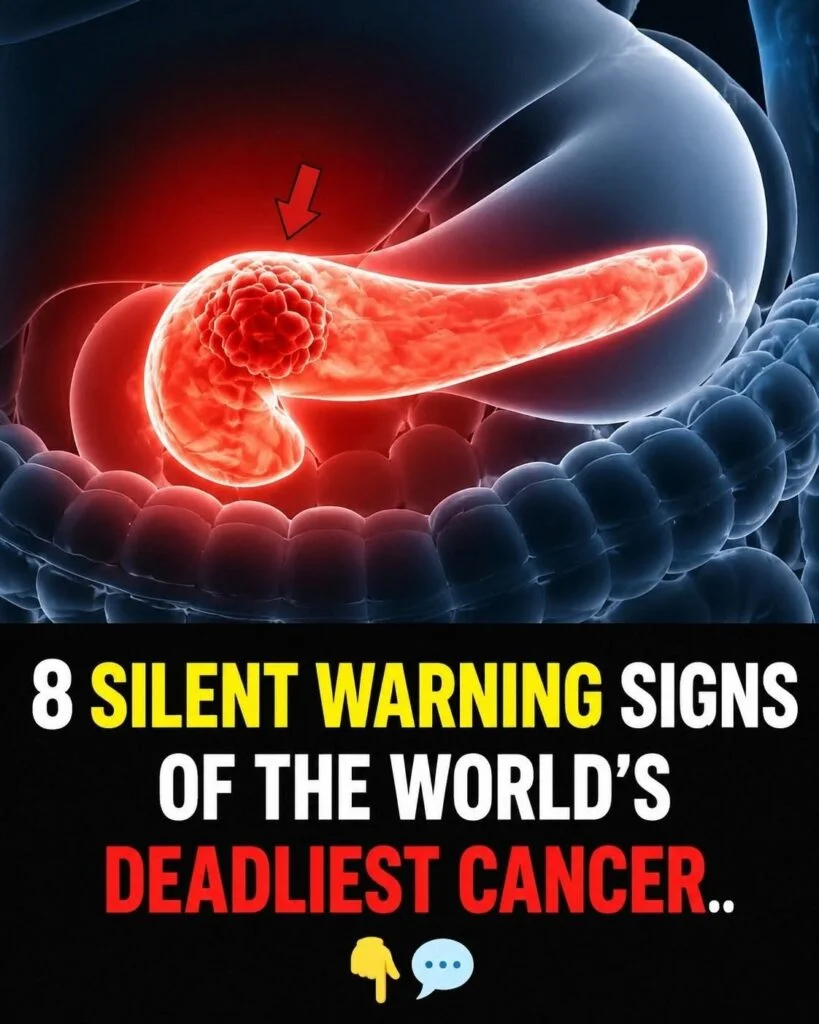
8 Possible Warning Signs of Pancreatic Cancer: Symptoms You Should Discuss With a Doctor
8 Possible Warning Signs of Pancreatic Cancer: Symptoms You Should Discuss With a Doctor
:** Early Warning Signs of Pancreatic Cancer | Symptoms and When to Seek Medical Care
Learn about possible symptoms of pancreatic cancer, who is at higher risk, and why persistent digestive or unexplained health changes deserve medical evaluation.
## Introduction
Pancreatic cancer is one of the more challenging cancers to detect because it often causes few or no symptoms in its early stages. The pancreas is located deep within the abdomen, allowing tumors to grow without being easily noticed during routine physical examinations.
Many early symptoms are vague and may resemble common digestive problems or other medical conditions. While these symptoms are usually caused by something less serious than cancer, persistent or unexplained changes should never be ignored.
Recognizing possible warning signs and seeking timely medical advice can help identify the cause and, when necessary, lead to earlier diagnosis and treatment.
## What Does the Pancreas Do?
The pancreas has two major functions:
* Produces digestive enzymes that help break down food.
* Releases hormones such as insulin that regulate blood sugar.
When the pancreas is affected by disease, digestion and blood sugar control may both be disrupted.
## 1. Yellowing of the Skin or Eyes (Jaundice)
Jaundice is one of the most recognizable symptoms associated with pancreatic cancer, particularly when a tumor blocks the bile duct.
It may cause:
* Yellow skin.
* Yellowing of the whites of the eyes.
* Dark-colored urine.
* Pale or clay-colored stools.
* Generalized itching.
Jaundice should always be evaluated promptly by a healthcare professional.
## 2. Unexplained Weight Loss
Losing weight without changes in diet or physical activity may be a sign of several medical conditions, including pancreatic disease.
People may also notice:
* Reduced appetite.
* Feeling full quickly.
* Difficulty maintaining weight.
## 3. Persistent Upper Abdominal or Back Pain
Pain related to pancreatic disorders often develops gradually.
Some people experience:
* A dull ache in the upper abdomen.
* Pain that spreads to the middle back.
* Discomfort that becomes worse after eating or when lying flat.
Persistent abdominal or back pain deserves medical assessment, particularly if accompanied by other symptoms.
## 4. Ongoing Digestive Problems
The pancreas helps digest fats. When it isn’t functioning normally, digestive symptoms may develop.
These can include:
* Nausea.
* Bloating.
* Indigestion.
* Feeling uncomfortable after fatty meals.
* Frequent stomach upset.
Many conditions can cause these symptoms, but ongoing digestive changes should not be ignored.
## 5. Changes in Stool
Insufficient digestive enzymes may lead to stools that are:
* Pale in color.
* Greasy or oily.
* Difficult to flush.
* Floating because of excess fat.
These symptoms may indicate fat malabsorption and should be discussed with a healthcare provider.
## 6. New-Onset Diabetes or Difficult-to-Control Blood Sugar
In some individuals, pancreatic cancer affects insulin production.
Warning signs may include:
* Increased thirst.
* Frequent urination.
* Unexpected diagnosis of diabetes later in adulthood.
* Blood sugar becoming harder to manage.
These symptoms have many possible causes but warrant medical evaluation.
## 7. Extreme Fatigue
Persistent tiredness that does not improve with rest may occur for many reasons, including infections, anemia, thyroid disorders, depression, and cancer.
If fatigue is severe or occurs alongside weight loss or digestive symptoms, medical evaluation is recommended.
## 8. Persistent Itching
Generalized itching without an obvious skin rash may occur when bile flow is blocked and bile salts accumulate beneath the skin.
Although itching is commonly caused by allergies or dry skin, persistent unexplained itching should be investigated.
## Who Has a Higher Risk?
Several factors increase the likelihood of developing pancreatic cancer, including:
* Age over 65.
* Smoking.
* Obesity.
* Chronic pancreatitis.
* Type 2 diabetes.
* Family history of pancreatic cancer.
* Certain inherited genetic conditions.
Having one or more risk factors does not mean a person will develop pancreatic cancer, but regular healthcare visits remain important.
## Ways to Support Pancreatic Health
While there is no guaranteed way to prevent pancreatic cancer, healthy lifestyle habits may reduce overall cancer risk:
* Avoid smoking.
* Maintain a healthy body weight.
* Exercise regularly.
* Eat a balanced diet rich in fruits, vegetables, and whole grains.
* Limit alcohol consumption.
* Manage diabetes and other chronic conditions with medical guidance.
## When Should You See a Doctor?
Schedule a medical appointment if you experience:
* Persistent jaundice.
* Ongoing abdominal or back pain.
* Unexplained weight loss.
* Lasting digestive problems.
* Pale stools or dark urine.
* Severe fatigue without an obvious cause.
Seek urgent medical care if symptoms appear suddenly or become severe.
## Final Thoughts
Most digestive symptoms are not caused by pancreatic cancer. However, persistent or unexplained changes in your health should never be dismissed. Paying attention to warning signs and seeking medical advice when symptoms continue is the best way to identify the underlying cause. Early evaluation provides the greatest opportunity for appropriate treatment, whether the diagnosis is pancreatic cancer or another medical condition requiring care.