
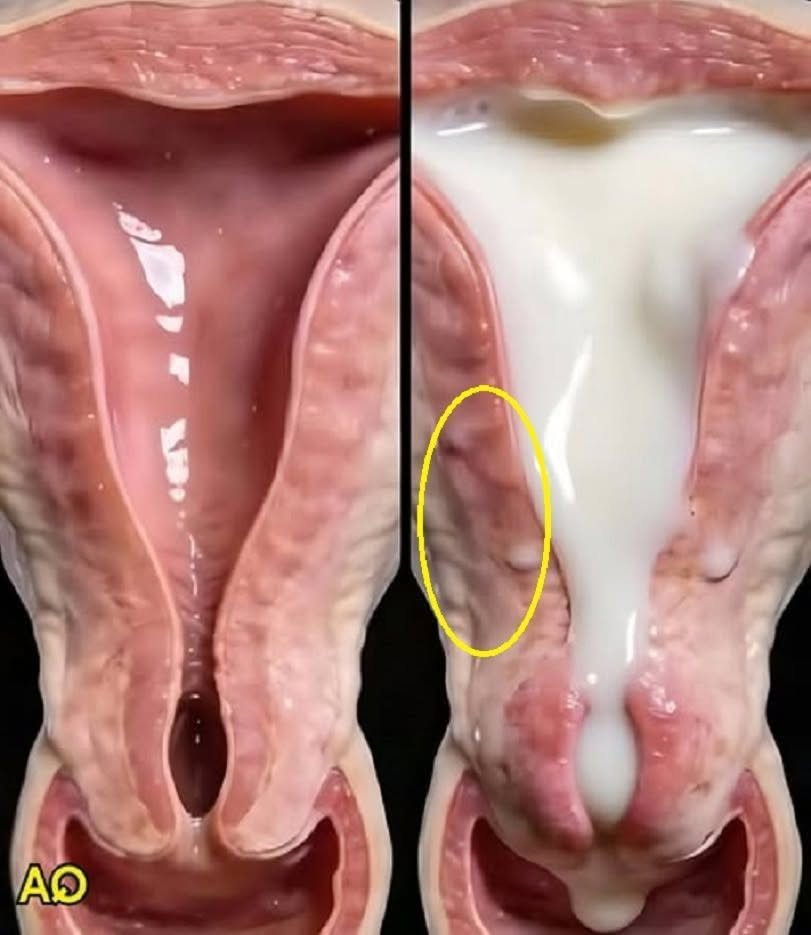
Cervical Cancer: Early Warning Signs, Causes, Risk Factors, and Proven Ways to Help Prevent It
Cervical cancer affects the cervix—the lower part of the uterus that connects to the vagina. Although it remains one of the most common cancers affecting women worldwide, it is also one of the most preventable. Thanks to routine screening, HPV vaccination, and early treatment of abnormal cervical cells, many cases can be prevented before cancer develops.
Because cervical cancer often progresses slowly, understanding the risk factors and recognizing potential warning signs can make a significant difference in protecting long-term health.
What Causes Cervical Cancer?
The vast majority of cervical cancer cases are linked to a long-term infection with certain high-risk types of Human Papillomavirus (HPV). HPV is a common virus spread through intimate skin-to-skin sexual contact.
In most people, the immune system clears HPV naturally within a few years. However, if high-risk HPV remains in the cervix for a prolonged period, it can gradually cause abnormal changes in cervical cells. Without appropriate monitoring or treatment, these abnormal cells may eventually develop into cervical cancer.
It’s important to understand that HPV infection—not simply the number of sexual partners—is the primary cause of cervical cancer. Many people who contract HPV never develop cancer, especially when regular screening and preventive care are followed.
Factors That May Increase Risk
Several factors may increase the likelihood of persistent HPV infection or cervical cancer, including:
- Infection with high-risk HPV types
- Smoking or tobacco use
- A weakened immune system
- Missing regular Pap tests or HPV screening
- Early exposure to HPV through sexual activity
- A history of abnormal cervical cell changes
Having these risk factors does not mean someone will definitely develop cervical cancer, but they highlight the importance of routine medical care.
Early Symptoms Can Be Easy to Miss
One of the challenges of cervical cancer is that early stages usually cause no obvious symptoms. This is why preventive screening is so valuable.
As the disease advances, possible symptoms may include:
- Bleeding between menstrual periods
- Bleeding after sexual intercourse
- Bleeding after menopause
- Persistent watery or unusual vaginal discharge
- Pelvic or lower abdominal pain
- Pain during sexual intercourse
These symptoms are not unique to cervical cancer and may have other causes, but they should always be evaluated by a healthcare professional.
How Cervical Cancer Can Be Prevented
Modern medicine has made cervical cancer one of the most preventable cancers through several effective strategies.
Get the HPV Vaccine
Vaccines such as Gardasil 9 help protect against several high-risk HPV types responsible for most cervical cancer cases. Vaccination is most effective before exposure to HPV but may still provide benefits for eligible individuals based on healthcare recommendations.
Keep Up With Regular Screening
Routine Pap tests and HPV testing can detect abnormal cervical cells long before cancer develops. Treating these early changes greatly reduces the risk of invasive cancer.
Practice Safer Sex
Using barrier protection and limiting exposure to HPV can reduce the likelihood of infection, although no method completely eliminates risk.
Avoid Smoking
Smoking weakens the body’s natural ability to clear HPV infections and is associated with a higher risk of cervical cancer.
Support Your Immune System
A healthy lifestyle—including a balanced diet, regular exercise, quality sleep, and stress management—supports overall immune function and general well-being.
Why Early Detection Matters
Cervical cancer is highly treatable when discovered in its earliest stages. Routine screening allows healthcare providers to identify and treat precancerous changes before they become cancerous.
Regular medical checkups remain one of the most effective tools for protecting reproductive health.
When Should You See a Healthcare Provider?
Schedule a medical evaluation if you experience:
- Unusual vaginal bleeding
- Persistent pelvic pain
- Bleeding after intercourse
- Unexplained vaginal discharge
- Symptoms that continue or worsen
Prompt evaluation can help identify the cause and ensure appropriate treatment if necessary.
Final Thoughts
Cervical cancer is a serious disease, but it is also one of the most preventable. HPV vaccination, regular Pap tests, healthy lifestyle habits, and early medical care play a major role in reducing risk.
Staying informed and following recommended screening guidelines can help protect your health for years to come.
Disclaimer: This article is for educational purposes only and should not replace professional medical advice, diagnosis, or treatment. If you have symptoms or concerns about cervical cancer or HPV, consult a qualified healthcare provider for personalized care.