
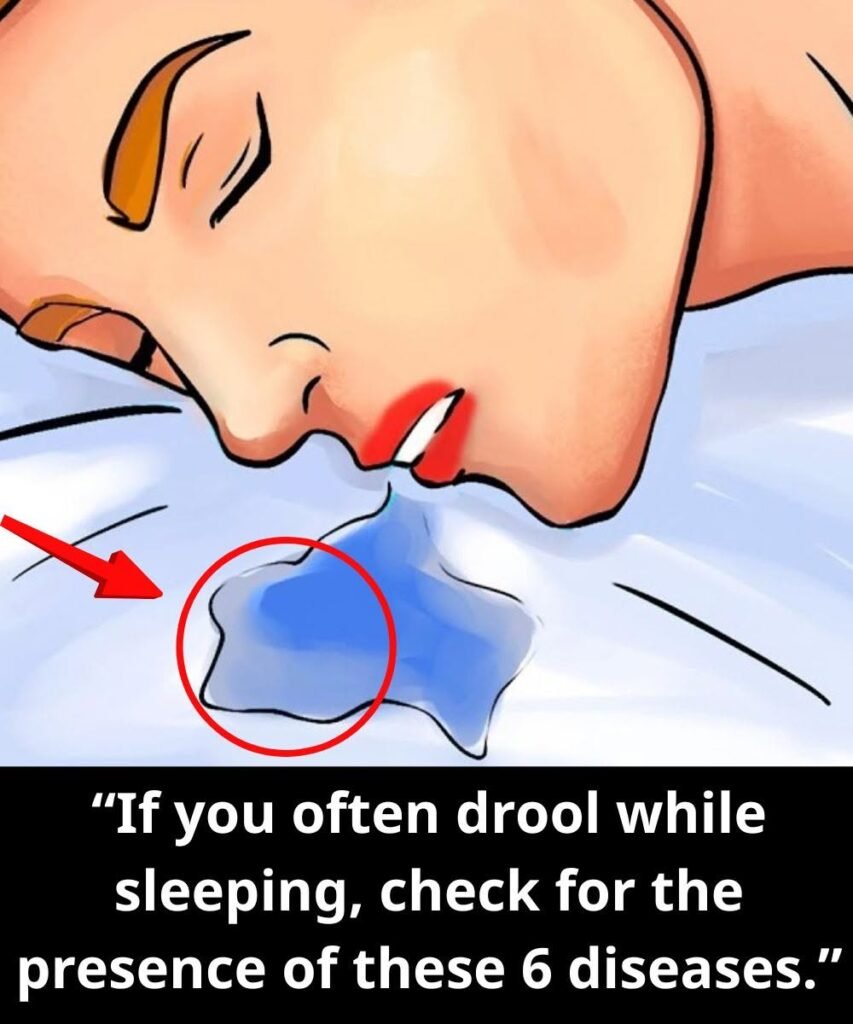
If You Often Drool While Sleeping, Check for These 6 Health Conditions
If You Often Drool While Sleeping, Check for These 6 Health Conditions
Why Does Drooling Happen During Sleep?
Waking up with a damp pillow every now and then is common and usually nothing to worry about. During sleep, the muscles around your mouth relax, making it easier for saliva to escape, especially if you sleep on your side or stomach.
However, frequent or excessive drooling—also called nocturnal drooling—can sometimes be associated with underlying health conditions. If it happens regularly or is accompanied by other symptoms, it’s worth discussing with a healthcare professional.
1. Sleep Apnea
Obstructive sleep apnea causes repeated pauses in breathing during sleep. People with this condition may sleep with their mouth open, snore loudly, gasp for air, and experience excessive drooling.
Other symptoms may include:
- Loud snoring
- Morning headaches
- Daytime sleepiness
- Waking up choking or gasping
- Difficulty concentrating
2. Nasal Congestion or Allergies
When your nose is blocked because of allergies, a cold, or sinus problems, you’re more likely to breathe through your mouth while sleeping. This can increase the chance of drooling.
Common causes include:
- Seasonal allergies
- Common cold
- Sinus infections
- A deviated nasal septum
3. Gastroesophageal Reflux Disease (GERD)
GERD occurs when stomach acid flows back into the esophagus. Some people with GERD produce more saliva, particularly at night, which may contribute to drooling.
Other symptoms include:
- Heartburn
- Sour taste in the mouth
- Chest discomfort
- Frequent burping
- Chronic cough
4. Neurological Conditions
Certain neurological disorders can affect muscle control or swallowing, making it difficult to manage saliva.
Examples include:
- Parkinson’s disease
- Stroke
- Multiple sclerosis
- Amyotrophic lateral sclerosis (ALS)
Drooling related to these conditions usually occurs alongside other neurological symptoms and requires medical evaluation.
5. Certain Medications
Some medications increase saliva production or affect swallowing, leading to nighttime drooling.
Examples may include:
- Some antipsychotic medications
- Certain medications used for Alzheimer’s disease
- A few antibiotics and sedatives
If drooling starts after beginning a new medication, speak with your healthcare provider before making any changes.
6. Difficulty Swallowing (Dysphagia)
People who have trouble swallowing may not clear saliva effectively, allowing it to collect and escape during sleep.
Seek medical attention if swallowing problems are accompanied by:
- Choking while eating or drinking
- Pain when swallowing
- Frequent coughing during meals
- Unexplained weight loss
Can Sleeping Position Affect Drooling?
Yes. Sleeping on your side or stomach makes it easier for saliva to flow out of the mouth. Sleeping on your back may reduce drooling for some people, although it may not be suitable for everyone, especially those with certain sleep disorders.
Tips to Reduce Drooling While Sleeping
You may find these strategies helpful:
- Treat nasal congestion or allergies.
- Practice good sleep hygiene.
- Stay well hydrated.
- Maintain good oral hygiene.
- Consider changing your sleeping position.
- If you snore heavily or suspect sleep apnea, seek medical evaluation.
When Should You See a Doctor?
Occasional drooling is usually harmless. However, you should seek medical advice if drooling:
- Happens frequently or suddenly becomes worse
- Is accompanied by loud snoring or pauses in breathing
- Occurs with difficulty swallowing
- Is associated with facial weakness or other neurological symptoms
- Causes choking or interferes with sleep
Final Thoughts
Drooling during sleep is common and is often related to normal muscle relaxation or sleeping position. In some cases, however, persistent drooling may be linked to conditions such as sleep apnea, nasal congestion, GERD, neurological disorders, medication side effects, or swallowing difficulties.
If excessive drooling is persistent or occurs with other concerning symptoms, a healthcare professional can help determine the underlying cause and recommend appropriate treatment.