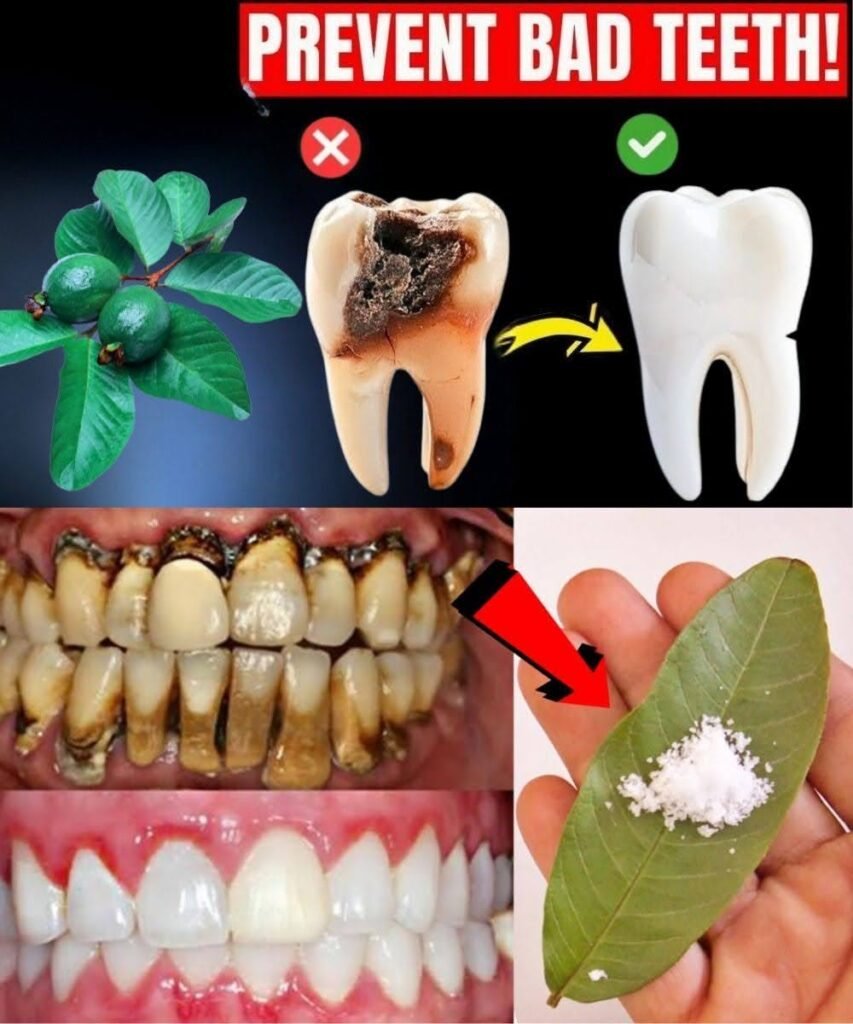
Guava Leaves for Oral Health: Benefits, Limits & Safe Ways to Use Them
Social media posts often claim that guava leaves can repair rotten teeth or completely cure cavities. While guava leaves have been used in traditional medicine for generations and may offer some oral health benefits, these claims are misleading. No herbal remedy can restore a decayed tooth once a cavity has formed.
Can Guava Leaves Cure Tooth Decay?
Tooth decay (dental cavities) occurs when bacteria produce acids that gradually break down tooth enamel. Once a cavity forms, the damaged enamel cannot grow back on its own.
If a tooth has a visible hole, severe decay, or infection, treatment from a dentist—such as a filling, sealant, root canal, or other procedure—is necessary. Delaying treatment can allow the decay to worsen, leading to pain, infection, and more extensive dental work.
What Guava Leaves May Help With
Guava leaves contain natural compounds such as flavonoids, tannins, and antioxidants, which have been studied for their antibacterial and anti-inflammatory properties.
Some potential benefits include:
1. May Help Reduce Oral Bacteria
Laboratory studies suggest that guava leaf extracts may inhibit the growth of bacteria such as Streptococcus mutans, one of the bacteria involved in plaque formation and tooth decay. While promising, this does not mean guava leaves can cure cavities.
2. May Soothe Mild Gum Irritation
In traditional medicine, guava leaves have been used to help relieve mild gum swelling or temporary tooth discomfort because of their anti-inflammatory properties.
3. May Help Freshen Breath
Their natural astringent compounds may reduce odor-causing bacteria in the mouth, helping improve bad breath for some people.
What Guava Leaves Cannot Do
Despite viral claims, guava leaves cannot:
- Repair cavities or fill holes in teeth.
- Regrow damaged tooth enamel.
- Remove tartar or deeply whiten stained teeth.
- Replace professional dental treatment.
If you have persistent tooth pain, bleeding gums, swelling, or visible decay, you should see a dentist rather than relying on home remedies.
Traditional Ways People Use Guava Leaves
Some people use guava leaves as a supportive part of their oral hygiene routine. These methods may help with mild gum discomfort but should not be considered treatments for dental disease.
1. Guava Leaf Mouth Rinse
Boil 5–6 fresh guava leaves in two cups of water for about 10 minutes. Allow the liquid to cool, strain it, and use it as a mouth rinse for 30 seconds before spitting it out.
2. Chewing Tender Guava Leaves
After washing them thoroughly, chew one or two young guava leaves for one to two minutes before spitting them out. This traditional practice may temporarily soothe mild gum irritation.
3. Guava Leaf and Salt Rinse
Some people boil crushed guava leaves with a small pinch of salt, strain the mixture, and use it as a warm mouth rinse. Salt may help soothe minor gum inflammation, although it does not treat dental disease.
What Actually Helps Prevent Tooth Decay?
Good oral hygiene remains the most effective way to protect your teeth.
- Brush twice daily with fluoride toothpaste.
- Floss once a day to remove plaque between teeth.
- Limit sugary snacks and acidic drinks.
- Visit your dentist regularly for examinations and professional cleanings.
- Seek early treatment if a cavity develops.
When Should You See a Dentist?
Arrange a dental evaluation if you experience:
- Persistent tooth pain
- A visible hole or black spot in a tooth
- Swollen gums or face
- Pus around a tooth
- Fever with dental pain
- Bleeding gums that continue despite good oral hygiene
These symptoms may indicate infection or advanced dental disease that requires professional care.
The Bottom Line
Guava leaves have a long history of traditional use and may offer mild antibacterial and anti-inflammatory benefits that support oral hygiene. However, they cannot repair cavities, regrow enamel, or replace dental treatment.
For healthy teeth and gums, combine good daily oral care with regular dental checkups, and treat herbal remedies as supportive—not curative—options.