
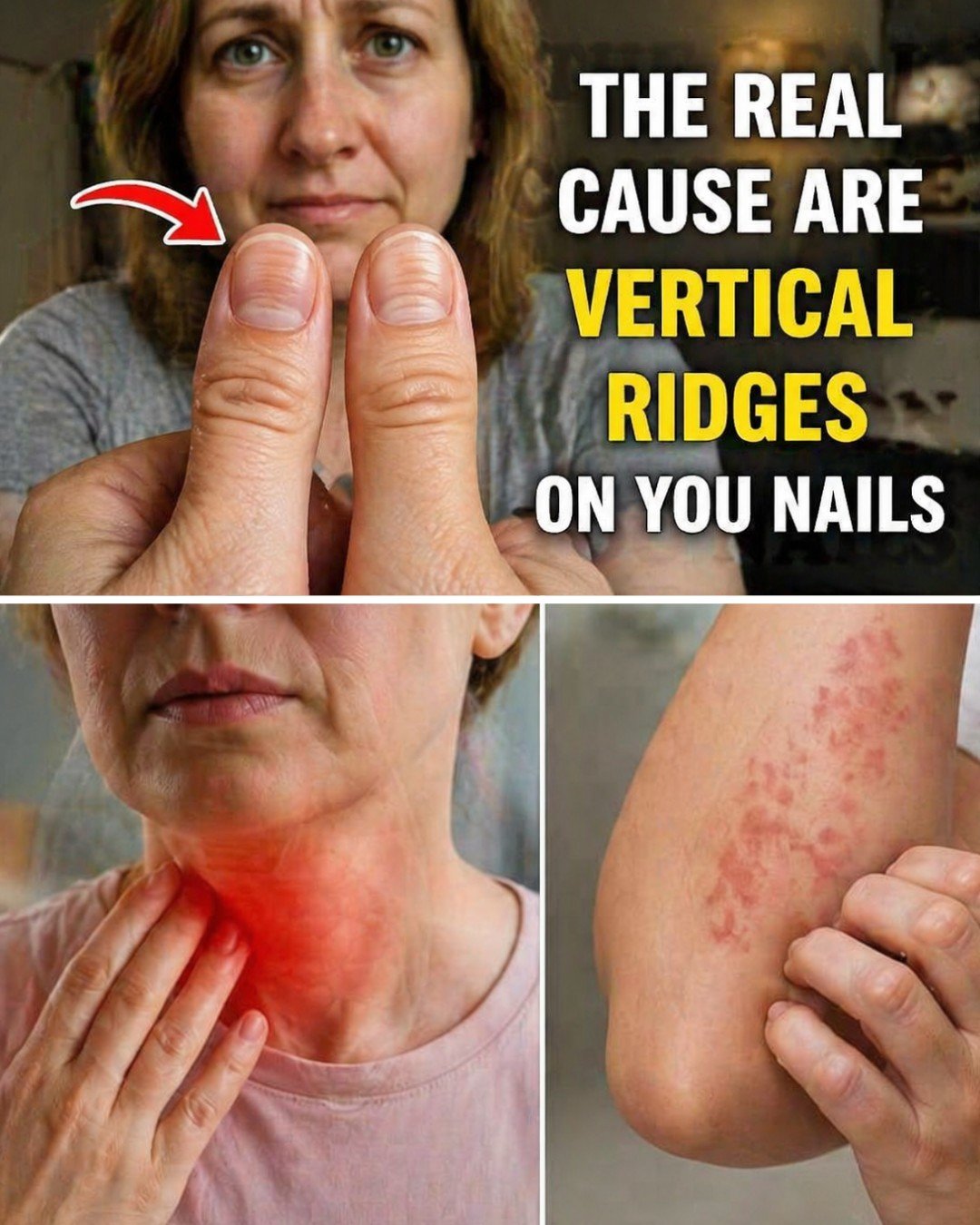
6 Causes Of Vertical Lines On Your Nails
You spot those thin vertical lines running down your fingernails one day while washing your hands, and it stops you in your tracks. These subtle ridges can make your nails look textured and older than you feel, sparking a mix of curiosity and concern about what your body might be trying to tell you. It’s completely normal to wonder if your daily habits or something deeper is at play, especially when your hands are such a visible part of everyday life.
The reality is that vertical ridges are incredibly common, and the good news is that understanding their causes opens the door to simple steps that can help support healthier-looking nails – and you’ll discover some of the most effective ones toward the end of this article that you can start using right away.
What Are Vertical Ridges on Fingernails?
Vertical ridges, also known as longitudinal ridges or onychorrhexis, are raised lines that run from the cuticle area down to the tip of the nail. Unlike horizontal lines which may warrant more immediate attention, vertical ones are often a benign feature that many people develop over time. According to dermatological sources like the Mayo Clinic, these ridges become more prominent as part of natural changes in nail cell turnover.
But that doesn’t mean you have to accept them without exploring ways to support your nail health.
6 Common Reasons for Vertical Ridges on Fingernails
Here are the most frequently mentioned factors:
1. Natural Aging Process
As we age, the rate at which our nails grow and regenerate can slow, leading to more noticeable vertical ridges. Research shows that changes in the nail matrix contribute to this common occurrence in adults, similar to how skin develops fine lines.
2. Nutrient Deficiencies
Your nails are made primarily of keratin, a protein that requires specific vitamins and minerals to form smoothly. Deficiencies in iron, zinc, biotin, or protein can lead to ridges and brittleness. Studies have linked low levels of these nutrients to alterations in nail structure.
3. Dryness and Insufficient Moisture
Frequent exposure to water, soaps, and dry air can dehydrate the nail plate. This lack of moisture makes nails more susceptible to developing ridges and splitting.
4. Thyroid Health Issues
An underactive thyroid can affect metabolism and nutrient delivery, sometimes resulting in brittle nails with vertical ridges. This is one reason why nail changes are sometimes noted alongside other symptoms.
5. Systemic Factors Such as Liver or Kidney Function
Certain conditions affecting protein levels (like albumin) in the body may show up in nail appearance. While vertical ridges are usually not the primary indicator, they can be part of a bigger picture.
6. Nail Trauma or Injury
A single injury or repeated pressure to the nail matrix (the growth area under the cuticle) can cause permanent ridges as the nail grows out.
Here’s the thing – knowing these causes empowers you to take control where you can.
Practical Daily Habits to Support Smoother, Stronger Nails
The encouraging news is that many people see improvements by focusing on hydration, nutrition, and protection. These actionable tips are easy to incorporate into your routine.
Nourish Your Nails from the Inside With Key Nutrients
A balanced diet plays a major role in nail health. Consider adding these biotin-rich and nutrient-dense foods:
- Egg yolks
- Almonds and other nuts
- Sunflower seeds
- Sweet potatoes
- Salmon or other fatty fish
- Leafy greens for iron
But that’s not all. Pairing these with adequate protein and staying hydrated internally helps your body deliver the building blocks nails need.
Master Your External Nail Care Routine
- Moisturize Daily: Apply a quality cuticle oil or cream several times a day. Popular choices include jojoba oil, argan oil, or vitamin E formulations because they penetrate well and lock in moisture.
- Protect From Harsh Elements: Wear gloves when doing dishes, cleaning, or gardening to minimize chemical exposure and water damage.
- Gentle Handling: Keep nails trimmed to a moderate length, avoid using them as tools, and be gentle with cuticles.
- Hydrate Your Body: Drink plenty of water throughout the day to support overall skin and nail hydration.
The best part? These habits don’t just benefit your nails – they contribute to your overall well-being and hand confidence.
Conclusion
Vertical ridges on fingernails are a common experience with roots in aging, lifestyle, and sometimes underlying factors. By understanding the reasons and adopting supportive habits like nutrient-rich eating and consistent moisturizing, you can promote the healthiest nails possible for your unique situation.
Start small today, and over the coming months as your nails grow, you may notice positive changes.
FAQ
1. Are vertical ridges on nails a sign of serious health problems?
Most of the time, they are harmless and related to aging or lifestyle factors. However, if accompanied by other changes such as color shifts, pain, or sudden appearance, consult a healthcare professional for personalized evaluation.
2. Can supplements or diet changes help with vertical nail ridges?
Supporting your diet with foods rich in biotin, iron, zinc, and other essentials can aid healthy nail growth. Supplements should only be considered under professional guidance.
3. How quickly can I expect to see improvements in my nails?
Nails grow slowly (about 3mm per month), so visible changes in new growth typically take 3 to 6 months of consistent care.
Disclaimer: The information in this article is for educational purposes only and is not intended as medical advice. Please consult with a qualified healthcare provider for any concerns about your nail health or overall wellness.