
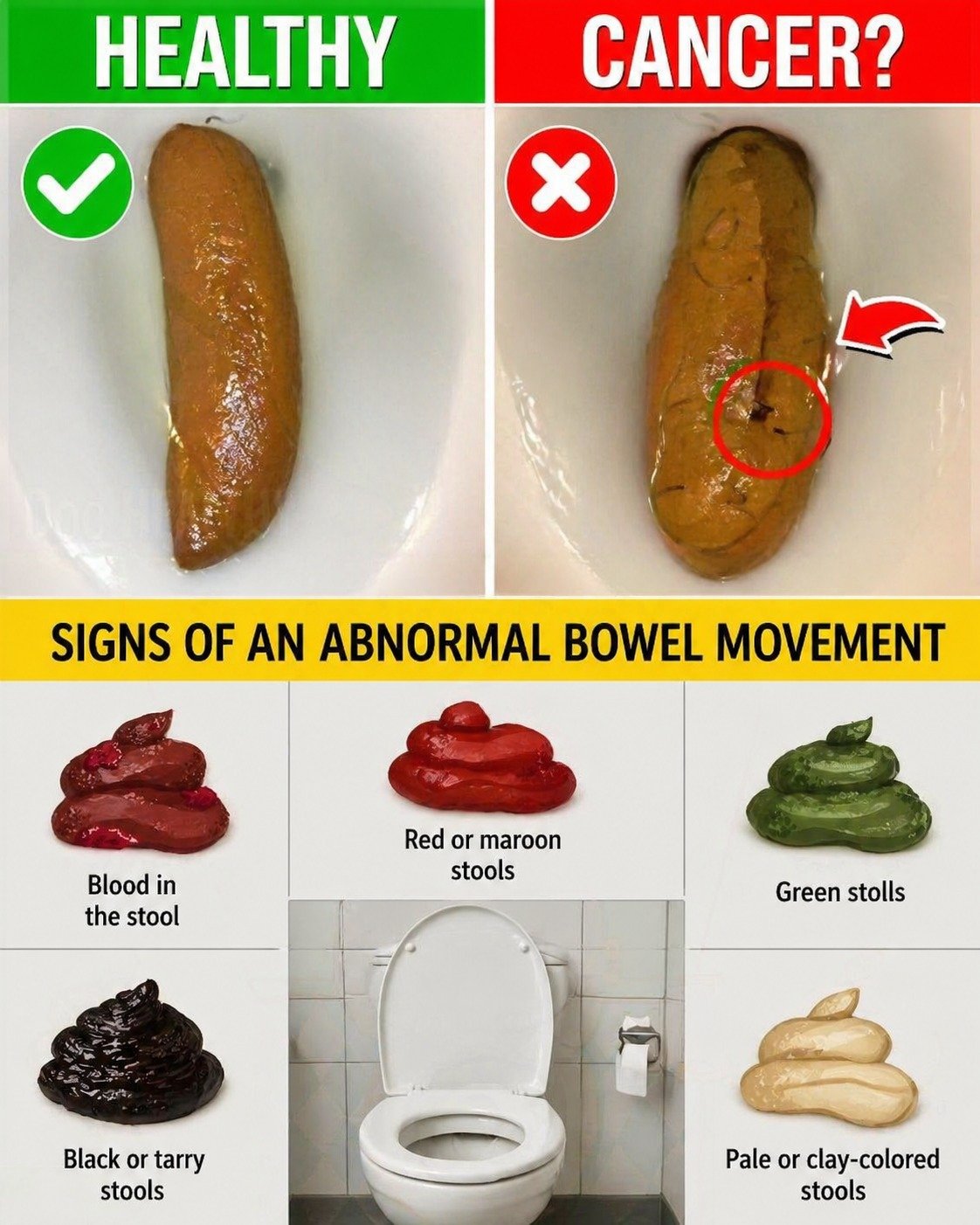
What Your Stool Color Says About Your Health: A Guide to Normal and Concerning Poop Colors
You’ve probably glanced down in the toilet and wondered why your poop looks different today. One day it’s a healthy chocolate brown, the next it’s suddenly green, pale, or even black. These color changes can feel alarming, especially when life already feels busy and you’re trying to stay on top of your wellness. The good news? Most variations are harmless and tied to what you ate or how fast your food moved through your system. Yet sometimes they signal something worth paying attention to.
In this guide, you’ll discover exactly what each stool color usually means, backed by common medical understanding. You’ll also learn simple daily habits that support steady digestion and when it’s smart to check in with your doctor. Stick with me until the end—there’s one surprising everyday factor that influences color more than most people realize.
Why Does Stool Color Change in the First Place?
Stool gets its normal brown shade from bile, a digestive fluid made by your liver. As food travels through your intestines, bile breaks down fats and changes color. Anything that speeds up, slows down, or alters this process can shift the final hue you see. Diet, medications, and how hydrated you stay all play roles. Understanding these shifts takes the guesswork out of your daily bathroom routine and helps you feel more in control of your gut health.
But here’s the part most people miss…
Normal Brown Stool: The Gold Standard
Healthy stool is typically medium to dark brown. This color shows that bile has done its job and your digestive system is processing food at a normal pace.
- Consistent brown stools usually mean good bile flow and balanced gut function.
- Texture matters too—soft but formed is ideal (think toothpaste consistency).
If your poop stays in this range most days, you’re likely doing well. Small day-to-day differences are normal.
Green Stool: Often Harmless and Diet-Related
Green poop frequently appears after eating lots of leafy greens like spinach, kale, or broccoli. Food dyes in candy, drinks, or supplements can also cause it.
When food moves through your intestines quickly (such as with mild diarrhea), bile doesn’t have time to break down fully, leaving a green tint.
Quick checklist for green stool:
- Eaten extra vegetables or green-colored foods recently?
- Taking iron supplements or certain probiotics?
- Mild digestive upset but otherwise feeling fine?
In most cases, green stool is temporary and nothing to worry about.
Yellow or Pale Yellow Stool: Pay Attention to Greasy Texture
Bright yellow or greasy-looking poop that floats can point to excess fat in the stool. This sometimes happens when your body isn’t absorbing fats well. Common triggers include eating very high-fat meals or conditions that affect the pancreas or small intestine.
If yellow stool appears only occasionally after rich foods, it’s usually fine. But if it’s frequent and accompanied by foul odor or weight changes, it’s worth monitoring.
Black Stool: Two Very Different Stories
Black stool can be completely benign or signal something more serious.
Benign causes:
- Iron supplements
- Bismuth medications (like Pepto-Bismol)
- Eating large amounts of dark foods (licorice, blueberries, dark chocolate)
When to take note: If the stool looks tarry, sticky, and has a strong unpleasant odor, it may indicate bleeding higher in the digestive tract. This type of black stool needs prompt medical attention.
Red or Reddish Stool: Food vs. Real Concern
Bright red stool often comes from something you ate—beets, tomatoes, red drinks, or food coloring.
However, if you haven’t consumed red foods and notice fresh red streaks or blood, it could relate to lower digestive tract sources such as hemorrhoids or other issues. Bright red blood that appears on toilet paper or in the bowl is usually less serious than dark, mixed-in blood, but any new bleeding deserves a doctor’s visit.
Clay-Colored, Pale, or Gray Stool: A Signal Worth Checking
Stool that looks like pale clay, light beige, or gray often means bile isn’t reaching the intestines properly. This can happen with gallbladder issues, certain liver conditions, or blocked bile ducts.
Unlike other colors that come and go with diet, persistently pale stools are one of the most important changes to discuss with your healthcare provider.
Orange Stool: Less Common but Understandable
Orange-colored poop sometimes results from eating foods high in beta-carotene (carrots, sweet potatoes, pumpkin) or taking certain antacids. Mild bile flow changes can also play a role. Usually temporary and not concerning unless other symptoms appear.
Simple Daily Habits That Support Healthy Stool Color
Want more consistent brown, well-formed stools? Try these practical steps:
- Stay hydrated — Aim for enough water so your urine is light yellow. Dehydration can slow digestion and darken stool.
- Eat balanced fiber — Mix soluble fiber (oats, apples) and insoluble fiber (whole grains, vegetables) to keep things moving at the right pace.
- Include healthy fats — Avocado, nuts, and olive oil help bile work efficiently.
- Track patterns — Keep a simple 3-day food and stool diary if colors change often. You’ll spot triggers quickly.
- Move daily — Even a 20-minute walk helps regulate bowel transit time.
These habits not only promote steady color but also boost overall energy and comfort.
When Should You See a Doctor?
Contact a healthcare professional if you notice:
- Black, tarry stools
- Persistent pale or clay-colored stools
- Red blood in stool without obvious dietary cause
- Color changes lasting more than a few days plus abdominal pain, unexplained weight loss, or fatigue
- Frequent diarrhea or constipation alongside unusual colors
Early conversations with your doctor bring peace of mind and prevent small issues from growing.
The Surprising Factor Most People Overlook
Stress and sleep quality affect gut motility more than many realize. When you’re constantly rushing or sleeping poorly, food can move too quickly or too slowly—leading to green, yellow, or darker stools. Taking time to eat mindfully and wind down at night often improves consistency more than changing your diet alone.
FAQ
1. Is it normal for stool color to change every day?
Mild daily variation is common and usually tied to diet. Big or persistent shifts deserve attention.
2. Can medications change stool color?
Yes—iron supplements, antacids, and bismuth medications are frequent culprits. Always check new prescriptions or supplements.
3. Does stool color alone diagnose a problem?
No. Color is just one clue. Doctors consider symptoms, diet, and other tests for the full picture.
Final Thoughts
Your stool color offers a daily window into how your digestive system is handling life. Most changes are harmless reflections of what you ate or how your body processed it. By staying observant, eating a balanced diet, and knowing when to seek professional advice, you can feel more confident about your gut health every single day.
Disclaimer: This article is for informational purposes only and does not replace professional medical advice. Always consult your healthcare provider if you have concerns about changes in your stool or any other symptoms.