
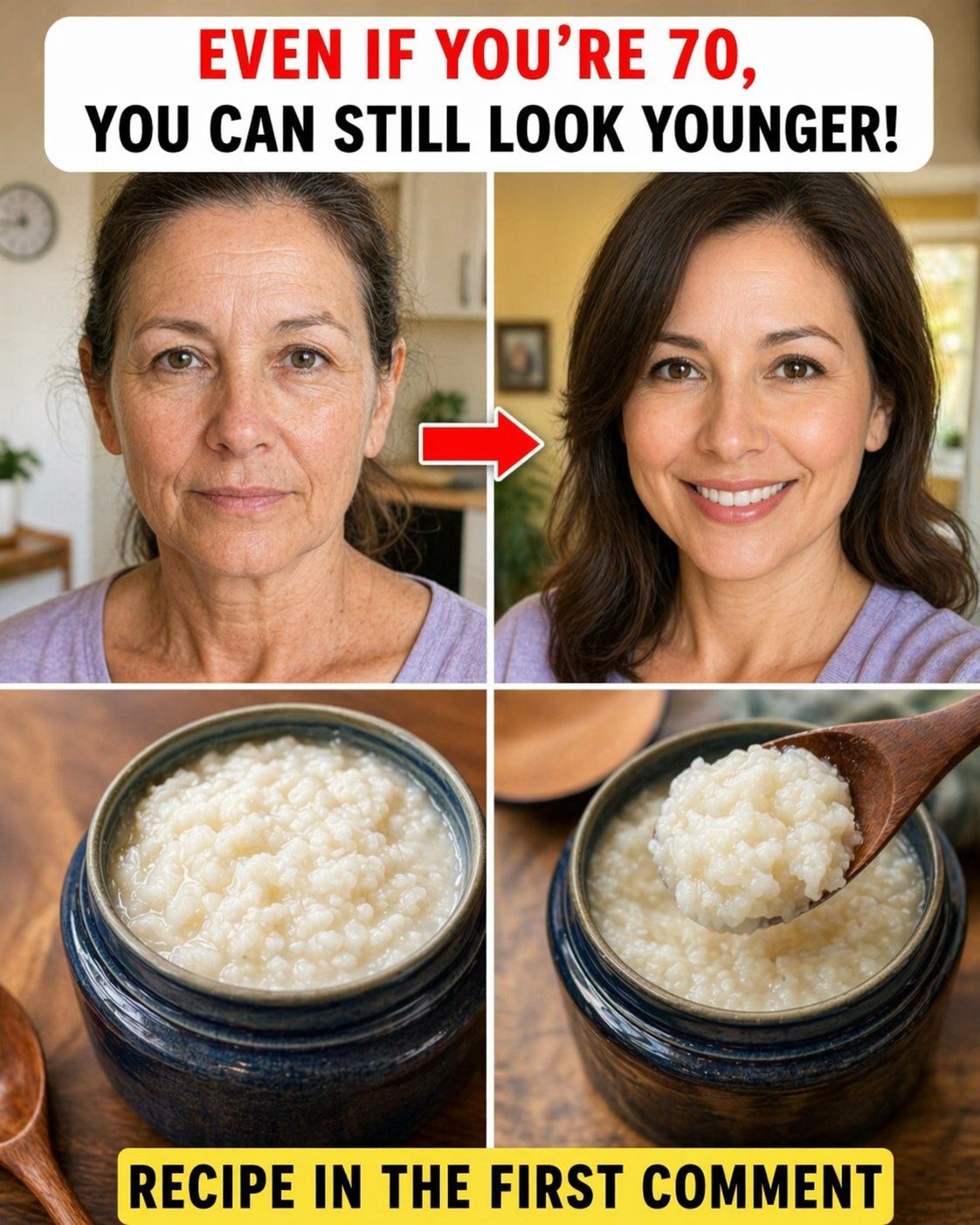
How to Prepare a Baking Soda Cream for Your Evening Skincare Routine: What You Need to Know
Waking up to skin that feels less smooth or looks a bit dull can be a frustrating part of daily life for many adults. The combination of environmental factors, stress, and natural aging processes often leaves us looking for simple ways to support our skin’s natural glow during our nighttime wind-down. That’s why more and more people are turning to everyday kitchen staples like baking soda as part of their evening habits. But the key is knowing how to create a basic cream safely and integrate it thoughtfully into your routine – and that’s exactly what we’ll uncover here, including a step-by-step recipe and important considerations that could help you feel more confident in your choices.
Why Baking Soda Has Gained Attention in Skincare Conversations
Baking soda, also known as sodium bicarbonate, sits in almost every pantry and has been used for generations in cleaning and personal care. In modern skincare discussions, people often experiment with it because of its mild texture and ability to gently interact with the skin’s surface. But here’s where it gets interesting: its slightly alkaline nature can make it appealing for those exploring at-home exfoliation options.
Research in basic chemistry and skin physiology shows that sodium bicarbonate can act as a soft abrasive when mixed into pastes or creams. Some general studies on exfoliation suggest this kind of gentle mechanical action may help loosen dead skin cells, potentially supporting a fresher look over time. Of course, results vary widely from person to person, and dermatologists consistently remind us that individual skin responses differ based on sensitivity, climate, and overall routine.
The truth is, baking soda alone isn’t a miracle ingredient – it’s simply one tool some people add to their evening habits for a little extra support. And that’s what makes it so approachable: it’s affordable, accessible, and easy to customize at home.
Understanding How Baking Soda May Fit Into Your Skincare Habits
Before diving into any new step, it helps to know why this popular pantry item shows up in so many bedtime routines. The skin’s natural pH hovers around 5.5, slightly acidic, which helps maintain its protective barrier. Baking soda’s higher pH can temporarily shift that balance, which some users find useful for a light cleanse or exfoliation feel.
But that same property is also why caution matters. Used too often or in the wrong concentration, it could feel drying or irritating for certain skin types. That’s why turning it into a simple cream with moisturizing carriers can make the experience gentler and more comfortable for nighttime use.
Here’s the part many people overlook: consistency and moderation are everything. Applying a small amount before bed gives your skin hours of quiet time to rest without daytime makeup, sun exposure, or sweat getting in the way.
Simple Ingredients You’ll Need for Homemade Baking Soda Cream
Creating your own version takes just a few pantry staples. The goal is a spreadable cream texture that feels nourishing rather than harsh. Here’s a straightforward list of what most people gather:
- 1 teaspoon baking soda (pure, food-grade)
- 2 tablespoons coconut oil or shea butter (softened at room temperature for easy mixing)
- 1 tablespoon raw honey or pure aloe vera gel (for added soothing feel)
- Optional: 1-2 drops of lavender essential oil (only if your skin tolerates it well)
These ingredients combine to create a creamy consistency that spreads smoothly and feels hydrating instead of stripping. The carrier oils or butters help buffer the baking soda, making the whole mixture milder for evening application.
Step-by-Step Guide to Preparing Your Baking Soda Cream
Making the cream is surprisingly quick and takes less than five minutes once you have everything ready. Follow these simple steps exactly as written for the best texture:
- Start by placing the softened coconut oil or shea butter in a small clean bowl.
- Sprinkle in the baking soda and stir gently with a spoon until it begins to incorporate.
- Add the honey or aloe vera gel and continue mixing until you reach a smooth, spreadable cream consistency – it should look like a light body butter.
- If using essential oil, add it now and give one final stir.
- Transfer the finished cream to a small airtight jar and store it in a cool, dry place.
That’s it. You now have a fresh batch ready for your nighttime routine. Most people make a small amount fresh every few days so it stays at peak quality.
But wait – there’s one more detail that makes this process even better. Always use clean utensils and hands to avoid introducing bacteria into your homemade mix.
How to Incorporate Baking Soda Cream Into Your Bedtime Routine
Now comes the fun part: actually using it. The beauty of this habit is how seamlessly it fits into an already calming evening wind-down. Here’s a practical, step-by-step way people like to do it:
- Cleanse your face with your usual gentle cleanser and pat dry.
- Take a pea-sized amount of the baking soda cream on your fingertip.
- Apply it in gentle circular motions to targeted areas – cheeks, forehead, or any spots that feel rough.
- Leave it on for 10-15 minutes while you brush your teeth, read, or relax.
- Rinse thoroughly with lukewarm water and follow immediately with your favorite moisturizer or night cream.
The key is keeping the application light and brief at first. Many folks start with every other night to give their skin time to adjust. Over time, you can adjust frequency based on how your skin feels in the morning.
And this is the part that keeps people coming back: the ritual itself feels like self-care. Dim lights, soft music, and knowing you’re doing something simple and intentional before sleep can be surprisingly satisfying.
Important Safety Tips and Best Practices to Keep in Mind
Even though baking soda is a kitchen staple, treating it with respect in skincare matters. Here are the top considerations experts and experienced users recommend:
- Always do a patch test on your inner forearm for 24 hours before facial use.
- Never use on broken, irritated, or freshly shaved skin.
- Stop immediately if you notice redness, stinging, or excessive dryness.
- Those with very sensitive, eczema-prone, or rosacea skin may want to skip this entirely.
- Pregnant or breastfeeding individuals should check with their doctor first.
Another smart habit? Keep your homemade cream away from direct sunlight and use it within one week for best freshness. If it changes color or smell, toss it and make a new batch.
Comparing Baking Soda Cream to Other Popular Evening Skincare Options
To help you decide where this fits in your routine, here’s a quick side-by-side look at how people often compare it with other common choices:
| Option | Texture | Main Benefit People Notice | Best For | Frequency Suggestion |
|---|---|---|---|---|
| Baking Soda Cream | Creamy, spreadable | Gentle surface smoothing | Occasional exfoliation | 2–3 times per week |
| Commercial Retinol Cream | Lightweight lotion | Supports overnight renewal | Mature skin routines | Every night (start slow) |
| Honey Face Mask | Sticky gel | Soothing and hydrating feel | Dry or sensitive skin | 1–2 times per week |
| Clay Mask | Thick paste | Deep-cleansing sensation | Oily or combination skin | Once weekly |
This table shows baking soda cream sits nicely as a flexible, budget-friendly middle option rather than a daily staple.
Wrapping Up: Making This Simple Habit Work for You
Adding a baking soda cream to your evening skincare routine is all about thoughtful experimentation and listening to your skin. When prepared and used mindfully, it can become a comforting, low-cost step that many people enjoy as part of their self-care ritual. The real value comes from consistency, patience, and pairing it with the rest of your healthy habits – good sleep, hydration, and a balanced diet.
Remember, skincare is deeply personal. What feels perfect for one person might need tweaking for another, and that’s completely normal.
Frequently Asked Questions
How long does homemade baking soda cream last?
Most small batches stay fresh for up to one week when stored in a cool, airtight container away from heat and light. Making smaller amounts more often ensures maximum freshness and effectiveness.
What skin types are best suited for trying baking soda cream?
People with normal to combination skin often report the best experience. Those with very dry, sensitive, or reactive skin may prefer to skip it or consult a dermatologist first to avoid potential irritation.
Can I mix baking soda cream with my regular night cream or serums?
It’s generally best to use the baking soda cream on its own first, rinse it off, and then follow with your usual moisturizer or serum. Layering everything together at once can sometimes reduce how well each product performs.
Disclaimer: This article is for informational and educational purposes only. It is not intended as medical advice, diagnosis, or treatment. Skincare routines are highly individual, and what works for one person may not suit another. Always consult a qualified dermatologist or healthcare professional before introducing new products or ingredients, especially if you have skin conditions, allergies, or are using prescription skincare. Results are not guaranteed and may vary.