
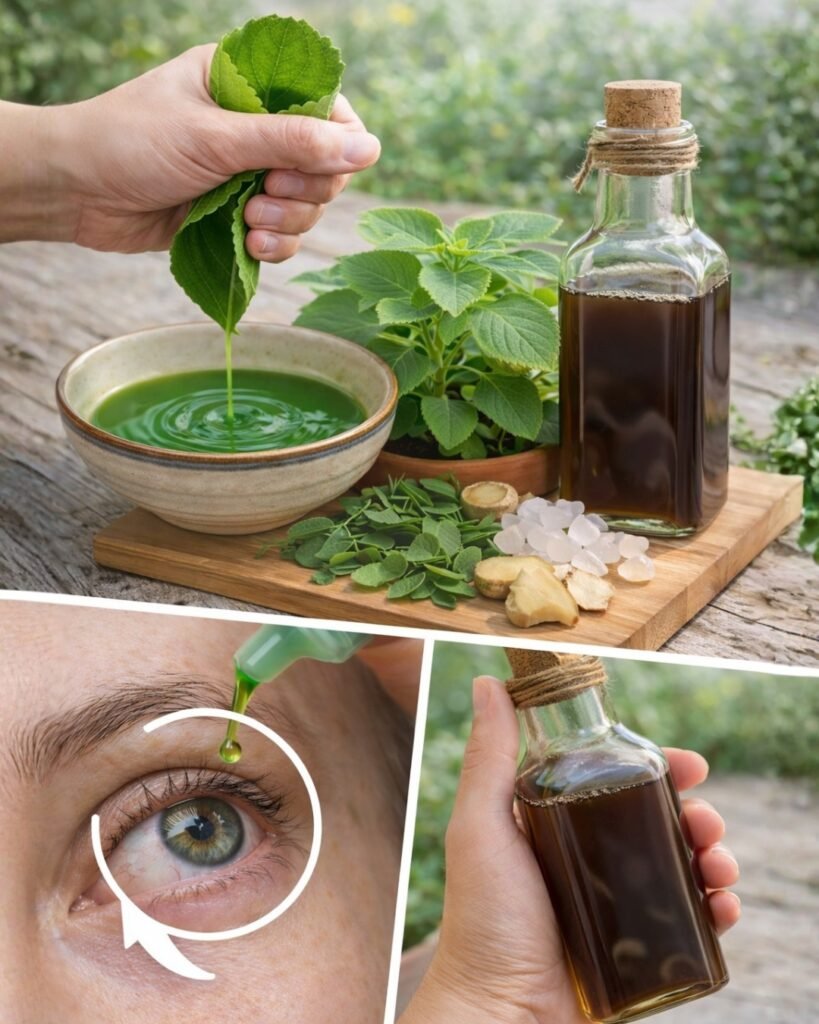
n kitchens around the world, oregano is best known as a flavorful herb sprinkled over pizza, pasta, and Mediterranean dishes. Yet beyond its culinary appeal, this aromatic plant has attracted attention for its potential health benefits—including possible support for eye health.
Packed with antioxidants, vitamins, and bioactive compounds, oregano may help protect the delicate structures of the eyes from oxidative damage and inflammation. While research is still developing, the herb’s nutritional profile suggests it could play a small but meaningful role in maintaining healthy vision when included in a balanced diet.
This article explores how oregano may support eye health, what science says about its active compounds, and simple ways to incorporate it into your routine.

Why Eye Health Matters More Than Ever
Modern lifestyles place increasing strain on our eyes. Long hours of screen exposure, environmental pollution, and aging can contribute to problems such as:
-
Digital eye strain
-
Dry eyes
-
Age-related macular degeneration (AMD)
-
Cataracts
A major factor behind many eye conditions is oxidative stress, which occurs when free radicals damage cells in the retina and other eye tissues. Antioxidants help neutralize these harmful molecules, which is why nutrition plays a vital role in protecting vision.
This is where herbs like oregano enter the conversation.
Nutritional Profile of Oregano
Oregano (Origanum vulgare) is a Mediterranean herb rich in beneficial plant compounds. Research shows that its health properties largely come from bioactive molecules such as carvacrol, thymol, flavonoids, and rosmarinic acid.
These compounds contribute to oregano’s:
-
Antioxidant effects
-
Anti-inflammatory activity
-
Antimicrobial properties
Oregano also contains vitamins and nutrients that support overall health, including vitamin A precursors like beta-carotene, which are important for normal vision.
While oregano alone cannot replace a balanced diet or medical treatment, its nutrient content makes it a useful addition to eye-friendly meals.
1. Powerful Antioxidants That Protect Eye Cells
One of the main reasons oregano may benefit vision is its high antioxidant content.
Antioxidants help neutralize free radicals that can damage cells in the retina and lens of the eye. Oregano contains several carotenoids—including lutein and zeaxanthin—which are particularly important for maintaining the health of the macula, the part of the retina responsible for sharp central vision.
Lutein and zeaxanthin act like natural filters that:
-
Protect the retina from harmful blue light
-
Reduce oxidative stress in eye tissues
-
Support long-term visual clarity
Higher intake of these nutrients has been associated with a lower risk of age-related macular degeneration.
2. Anti-Inflammatory Compounds That Support Eye Comfort
Chronic inflammation can contribute to various eye conditions, including dry eye syndrome and retinal damage.
Oregano contains anti-inflammatory compounds such as carvacrol and thymol, which help regulate inflammatory responses in the body.
Reducing inflammation may benefit eye health by:
-
Supporting healthy blood flow to the eyes
-
Protecting retinal tissue
-
Reducing irritation and redness
Because the eyes are sensitive organs, maintaining balanced inflammatory responses is key to long-term visual wellness.
3. Potential Protection for the Retina
Some experimental research suggests compounds found in oregano could help protect retinal cells from damage.
For example, a laboratory study examining carvacrol, one of oregano’s primary compounds, found that it protected retinal and optic nerve tissue from oxidative stress in animal models.
The findings indicate that antioxidant plant compounds may help counteract certain forms of retinal toxicity. Although more human studies are needed, this research highlights the potential of oregano-derived compounds in eye health research.
4. Natural Support Against Oxidative Stress
Oxidative stress is one of the leading contributors to eye diseases such as cataracts and macular degeneration.
Oregano is considered a particularly potent source of antioxidants among herbs, helping to neutralize free radicals and reduce cellular damage throughout the body.
By helping combat oxidative stress, oregano may indirectly support the long-term health of the eyes.
5. A Potential Role in Preventing Age-Related Eye Conditions
While oregano is not a cure for vision disorders, its nutritional components may help support preventative strategies.
Experts emphasize that herbs like oregano can contribute beneficial antioxidants and nutrients that may slow the progression of eye degeneration, although they cannot replace medical treatment.
When combined with a healthy lifestyle—such as eating nutrient-dense foods, protecting the eyes from UV light, and managing screen time—oregano can be part of a holistic approach to eye care.
How to Use Oregano for Eye Health
Adding oregano to your diet is simple and delicious. Here are several easy ways to enjoy its benefits.
1. Oregano Tea
A mild herbal tea can be made by steeping dried oregano leaves in hot water for about 5–10 minutes.
Potential benefits include:
-
Antioxidant support
-
Digestive comfort
-
Immune support
2. Fresh Oregano in Cooking
Fresh oregano works well in:
-
Mediterranean dishes
-
Soups and stews
-
Roasted vegetables
-
Tomato sauces
3. Dried Oregano Seasoning
Dried oregano retains many of the herb’s beneficial compounds and can be sprinkled over:
-
Pizza
-
Pasta
-
Salad dressings
-
Grilled meats
4. Oregano Oil Supplements
Oregano oil is sometimes used as a supplement, but it should be used cautiously because it is highly concentrated. Experts recommend consulting a healthcare professional before using herbal supplements.
Additional Lifestyle Tips for Healthy Vision
Herbs alone cannot guarantee healthy eyesight. A comprehensive eye-friendly lifestyle is essential.
Consider these habits:
-
Eat leafy greens rich in lutein and zeaxanthin
-
Consume omega-3 fatty acids
-
Limit prolonged screen exposure
-
Wear sunglasses that block UV rays
-
Stay hydrated
-
Get regular eye exams
These practices work together with nutrient-rich foods to support long-term visual health.
Safety and Considerations
Although oregano is generally safe when used in cooking, there are a few precautions to keep in mind:
-
Oregano oil supplements may interact with medications
-
Large amounts may cause digestive discomfort
-
Pregnant or breastfeeding individuals should consult a healthcare professional before using concentrated extracts
As with most herbs, moderation is key.
Final Thoughts
Oregano may be small, but it carries a powerful nutritional profile. Rich in antioxidants, anti-inflammatory compounds, and carotenoids, this humble herb may support eye health by helping protect the retina, reduce oxidative stress, and contribute beneficial nutrients linked to vision wellness.
While oregano is not a miracle cure for eye conditions, incorporating it into a balanced diet is a simple and flavorful way to support overall health—including your eyes.
Sometimes the best health solutions are already sitting in your kitchen spice rack.