
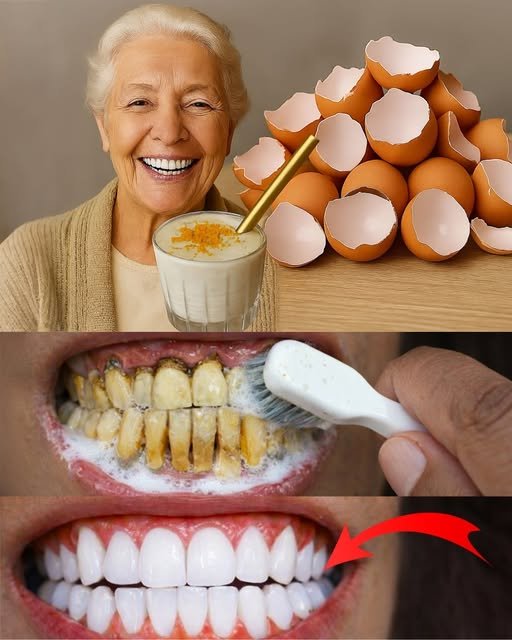
Many people believe that losing teeth is an unavoidable part of aging. However, some seniors reach their 70s, 80s, or even 90s with strong and healthy teeth. Their secret often isn’t expensive dental treatments but rather consistent daily habits and natural care routines.
Stories of elderly individuals maintaining excellent oral health often highlight the importance of diet, hygiene, and natural remedies that support gums and teeth. In fact, maintaining healthy teeth into old age is largely about preventing gum disease and strengthening enamel over time.
Let’s explore the simple habits and natural practices that may help support healthy teeth—even at 80 years old.
)%20(18).jpg)
Why Oral Health Matters More As You Age
As people age, the risk of dental issues increases. Common problems include:
-
Gum disease
-
Tooth decay
-
Tooth sensitivity
-
Receding gums
-
Dry mouth
Poor oral health doesn’t just affect the mouth—it can also impact overall health. Studies have linked gum disease with conditions such as heart disease, diabetes, and inflammation throughout the body.
That’s why protecting your teeth early and maintaining good habits daily is essential.
1. Proper Brushing Technique
Brushing your teeth twice daily remains the most important habit for protecting your smile.
Dentists recommend:
-
Brushing for two minutes each time
-
Using a soft-bristled toothbrush
-
Brushing gently along the gum line
Aggressive brushing can damage enamel and irritate gums, so a gentle circular motion is best.
Replacing your toothbrush every three to four months is also recommended to maintain effective cleaning.
2. Natural Antibacterial Ingredients
Many traditional oral-care routines include natural ingredients known for antibacterial properties.
Examples include:
Salt Water
Salt water rinses help reduce bacteria and soothe irritated gums. A simple rinse made from warm water and salt can help maintain oral hygiene.
Baking Soda
Baking soda is mildly abrasive and can help remove stains and neutralize acids in the mouth.
Coconut Oil (Oil Pulling)
Oil pulling is an ancient practice that involves swishing coconut oil in the mouth for several minutes to help remove bacteria and support gum health.
While these methods can support oral care, they should complement—not replace—regular brushing and flossing.
3. Diet Plays a Major Role
The foods you eat strongly influence dental health.
Some foods help strengthen teeth, while others contribute to decay.
Foods That Support Strong Teeth
-
Leafy greens
-
Dairy products rich in calcium
-
Nuts and seeds
-
Apples and crunchy vegetables
-
Green tea
These foods help provide minerals that strengthen enamel and support healthy gums.
Foods to Limit
-
Sugary snacks
-
Sticky sweets
-
Acidic drinks
-
Excess soda
Frequent sugar exposure feeds bacteria that produce acids, which gradually damage tooth enamel.
4. Stay Hydrated
Saliva plays a key role in protecting teeth.
It helps:
-
Wash away food particles
-
Neutralize harmful acids
-
Deliver minerals to enamel
Drinking enough water throughout the day helps maintain healthy saliva production and reduces the risk of tooth decay.
5. Don’t Ignore Gum Health
Healthy gums are the foundation of healthy teeth.
Gum disease begins silently, often with symptoms like:
-
Red or swollen gums
-
Bleeding while brushing
-
Bad breath
-
Gum recession
Regular flossing and proper oral hygiene help prevent plaque buildup that can lead to gum disease.
6. Regular Dental Checkups
Even people with excellent oral hygiene should visit a dentist regularly.
Routine dental visits allow professionals to:
-
Detect cavities early
-
Remove hardened plaque (tartar)
-
Check for gum disease
-
Monitor oral health changes
Early treatment can prevent minor issues from becoming serious problems.
7. Avoid Smoking
Smoking is one of the biggest risk factors for gum disease and tooth loss.
Tobacco reduces blood flow to the gums, making it harder for tissues to heal and increasing infection risk.
Avoiding smoking significantly improves oral health and overall well-being.
8. Maintain Consistency
One of the biggest secrets to strong teeth in old age is consistency.
Healthy habits practiced every day for decades make a significant difference.
Simple routines like brushing, flossing, staying hydrated, and eating balanced foods can protect teeth for a lifetime.
Final Thoughts
Reaching 80 with strong, healthy teeth is possible. The key lies in maintaining consistent oral hygiene, eating nutrient-rich foods, and protecting the gums and enamel over time.
Natural practices like saltwater rinses, healthy diets, and proper brushing techniques can support dental health when combined with regular dental care.
Your teeth are meant to last a lifetime—and with the right habits, they often can.